
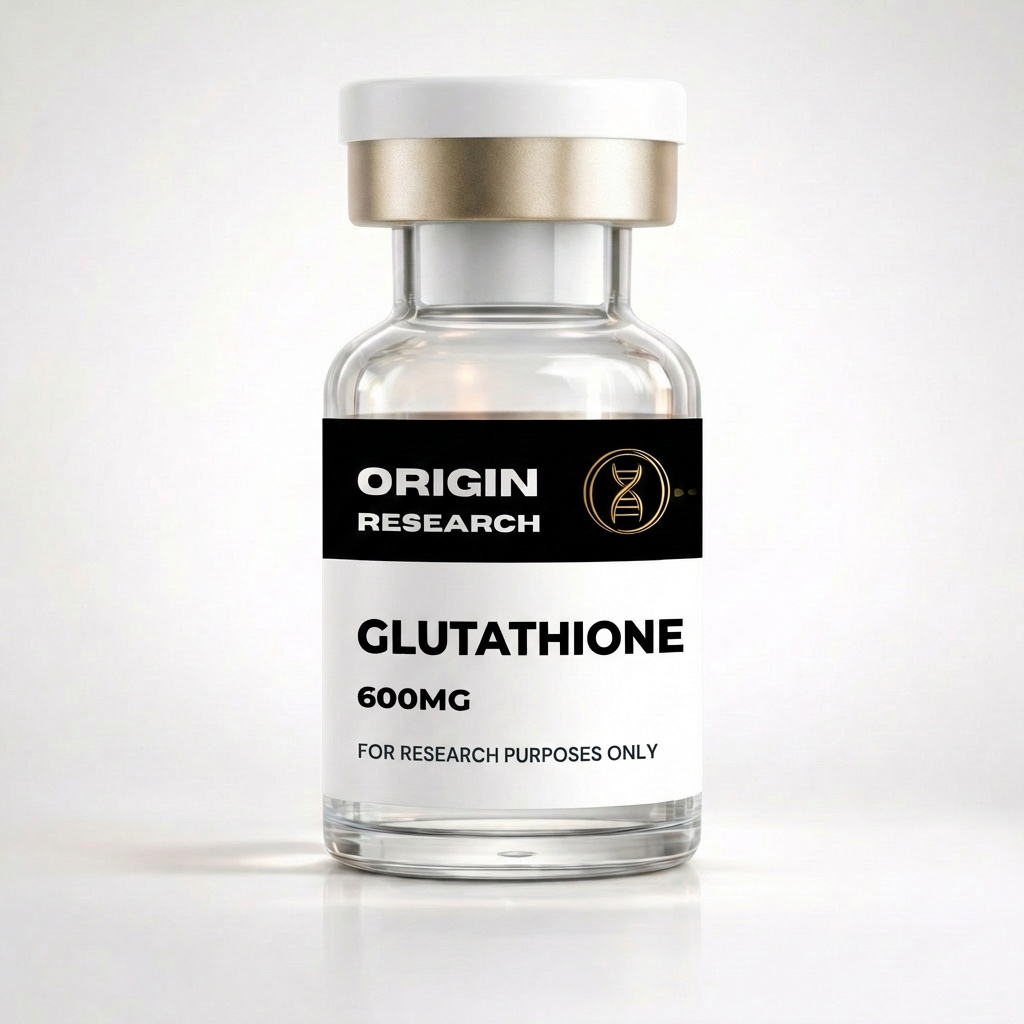
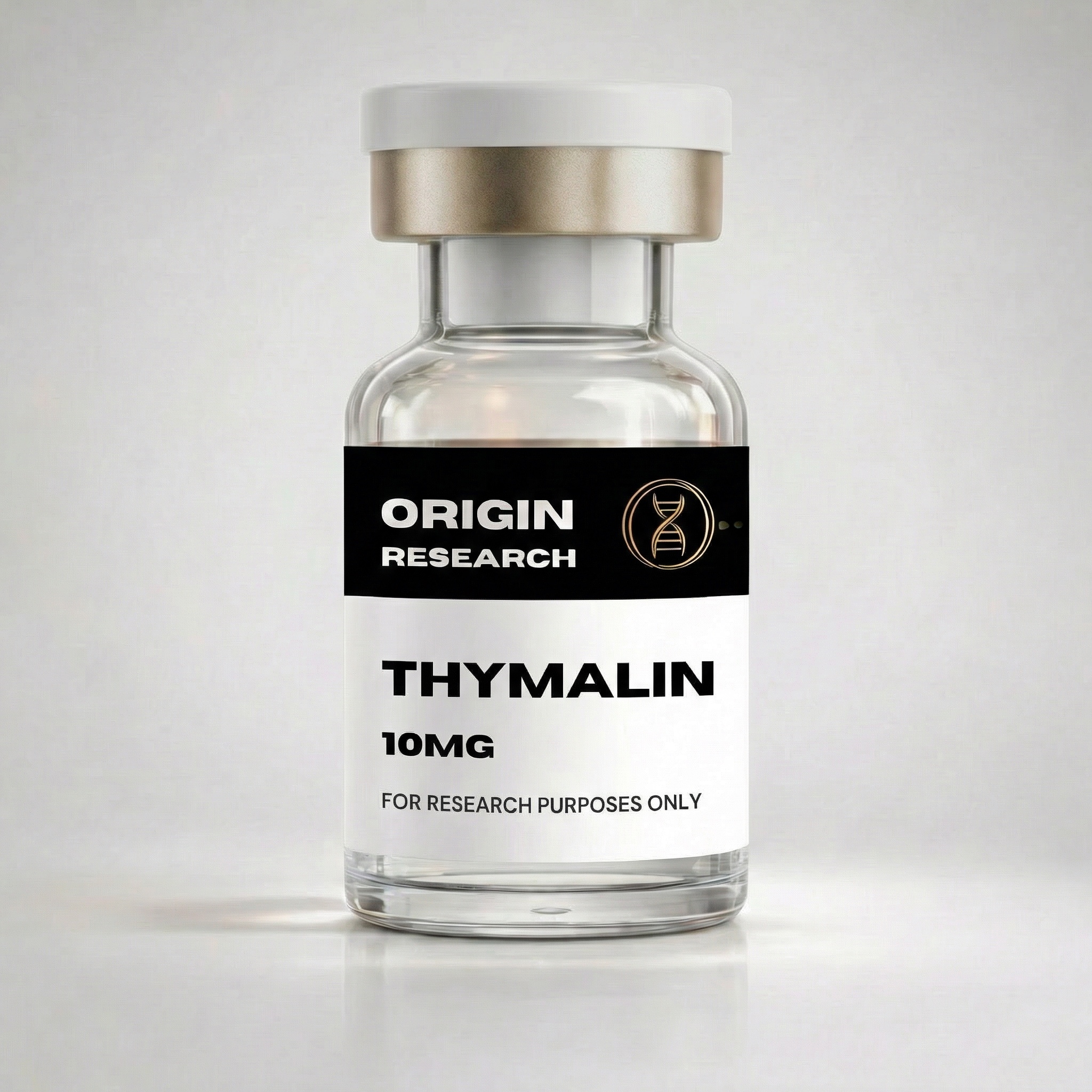
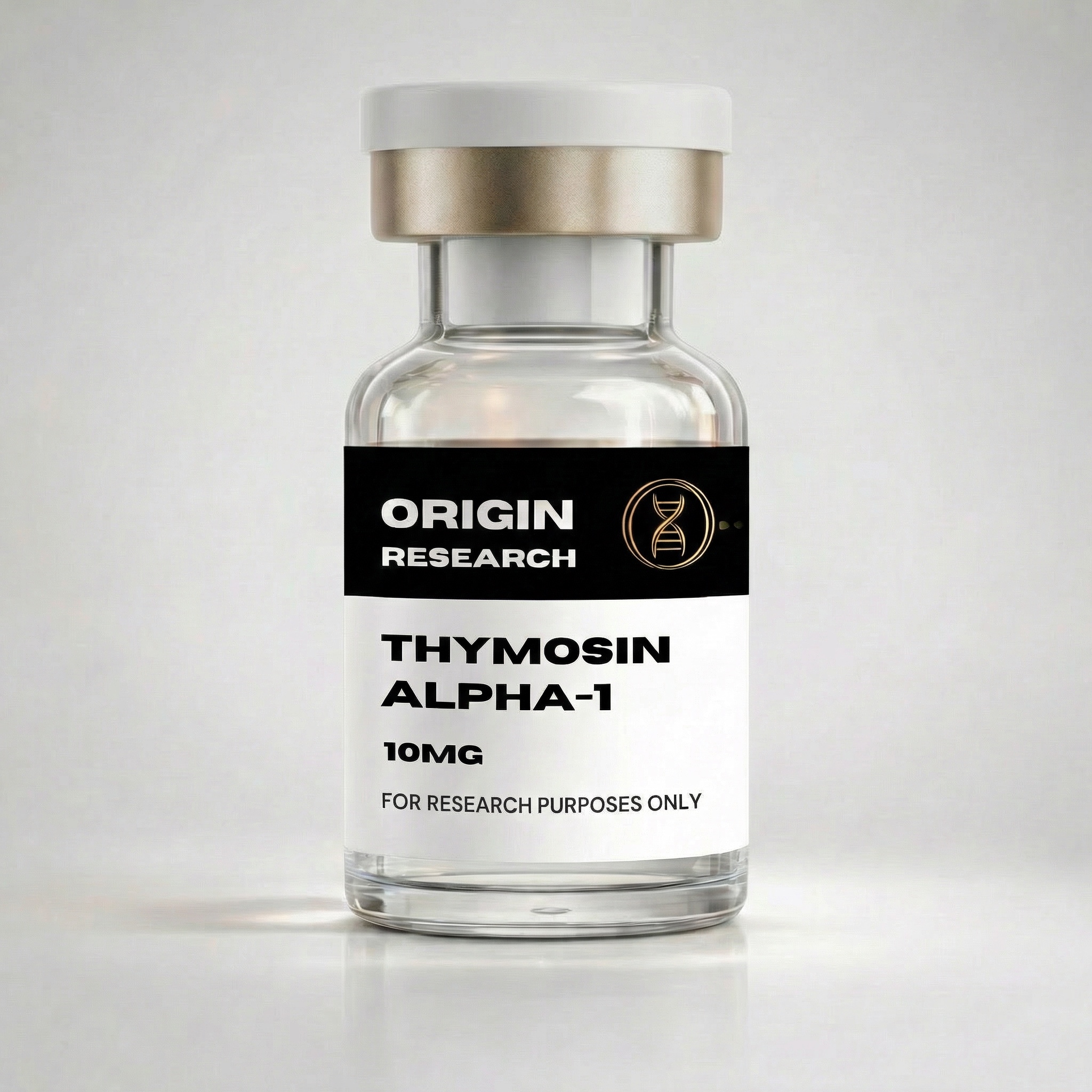
The Anti-Aging and Longevity category at Origin Research covers research compounds investigated in pathways related to telomere biology, mitochondrial bioenergetics, cellular redox state, thymic function and immune-system modulation. Research groups worldwide order this category most often when studying models of cellular senescence, mitochondrial dysfunction, oxidative stress, age-related immune decline and pineal gland signalling. The category groups together compounds spanning multiple mechanistic families. Epithalon is a synthetic tetrapeptide originally derived from pineal gland research, investigated for telomerase activity and pineal signalling in research models. SS-31 is a mitochondria-targeted tetrapeptide investigated for binding to cardiolipin on the inner mitochondrial membrane and for modulation of mitochondrial electron transport efficiency in vitro and in animal models. NAD plus is supplied in two formats, 500mg for longer research protocols and 100mg for shorter studies, and is investigated as a substrate for sirtuin and PARP-dependent pathways. Glutathione is the master antioxidant tripeptide investigated in cellular redox research, phase II detoxification and oxidative stress models. Thymalin is a thymus-derived peptide extract investigated for thymic-function and immune-modulation research. Thymosin Alpha-1 is a synthetic 28-amino-acid thymus-derived peptide investigated extensively in immune-response research including T-cell maturation, dendritic cell activity and chronic infection models. Each compound represents a distinct longevity research pathway, and research groups globally select within this category for studies on telomere length, mitochondrial efficiency, cellular antioxidant capacity, immune-senescence and thymic-axis biology. All products ship from Origin Labs stock with HPLC and mass-spectrometry COA documentation for in-vitro and laboratory research use only.
About this research category
Telomere and pineal research with Epithalon
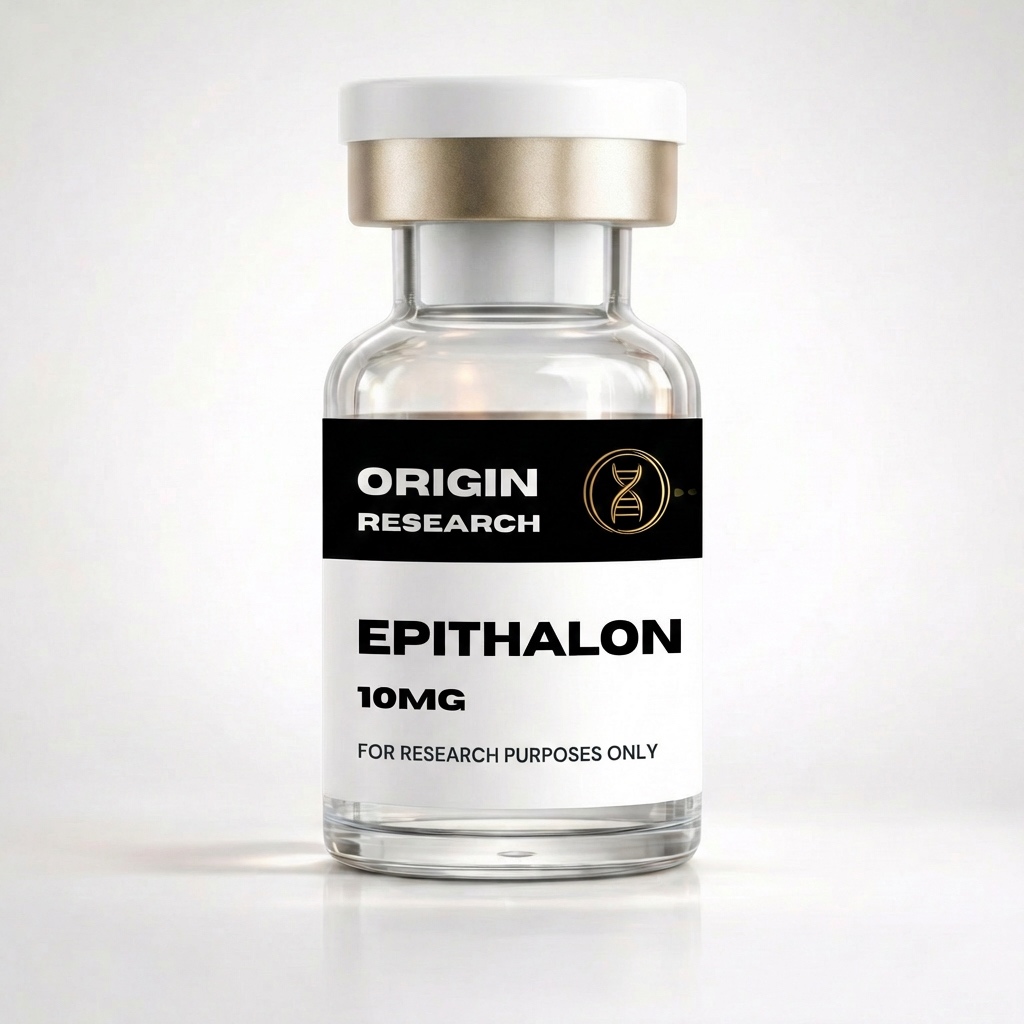
Epithalon is a synthetic tetrapeptide with the sequence Ala-Glu-Asp-Gly, originally derived from peptide-fraction research on the pineal gland extract Epithalamin conducted at the Saint Petersburg Institute of Bioregulation and Gerontology. The compound has been investigated for telomerase activation in cultured cell models, for telomere length modulation in animal models and for pineal signalling and melatonin pathway research. Published preclinical literature has examined Epithalon across rodent ageing models, including studies on lifespan extension, spontaneous tumour incidence and circadian rhythm regulation. The telomerase activation mechanism has been investigated in human somatic cell cultures with reported induction of telomerase activity and observed extension of telomere length in serial passage models. The compound is supplied as a lyophilised vial for in-vitro research protocols. Stability under refrigeration is consistent with other small lyophilised peptides, typically several weeks once prepared. Research groups ordering Epithalon typically select it for telomere-biology research, for circadian and melatonin pathway research or for combination protocols with other longevity compounds in animal models. Published dosing protocols in animal research are typically structured as short courses repeated at intervals across a study window rather than continuous administration. Origin Research supplies Epithalon with full COA documentation showing HPLC purity, mass-spectrometry confirmation and peptide content.
Mitochondrial and redox research with SS-31, NAD plus and Glutathione
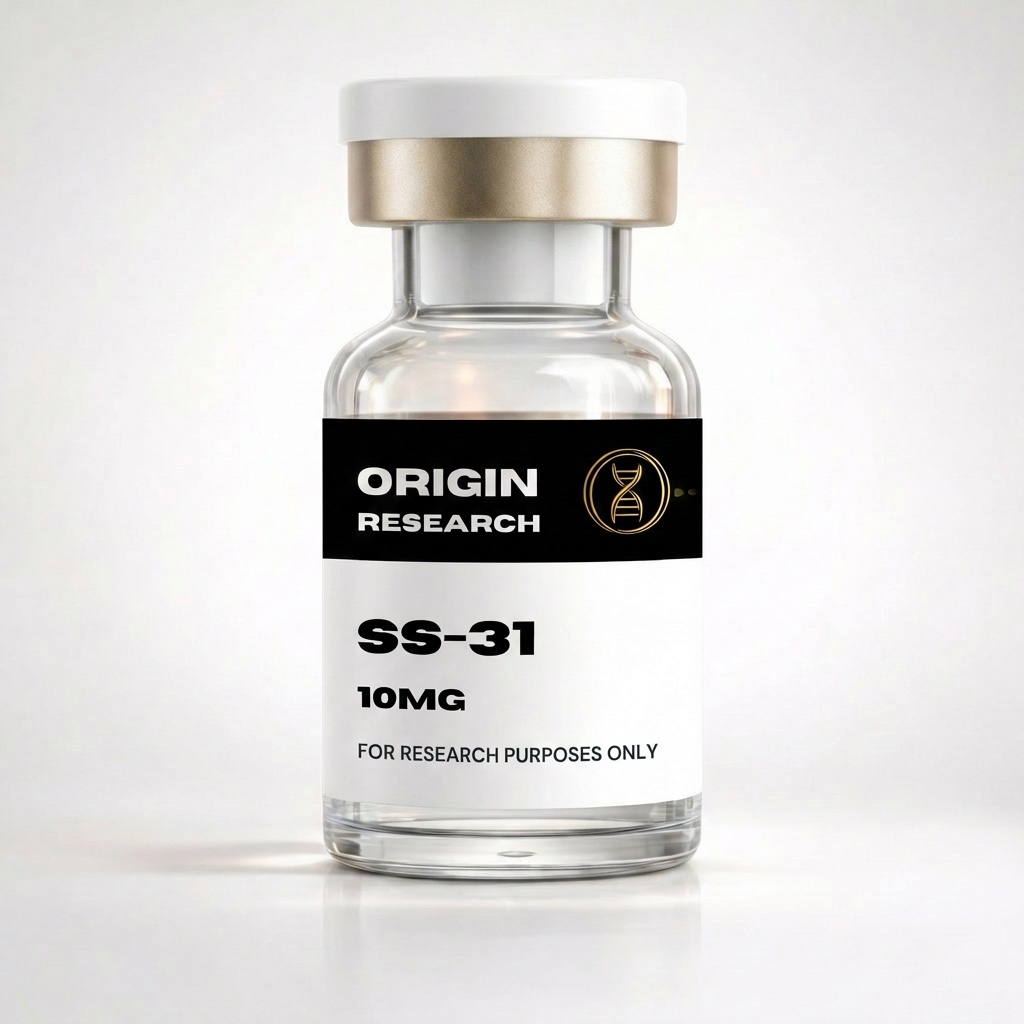
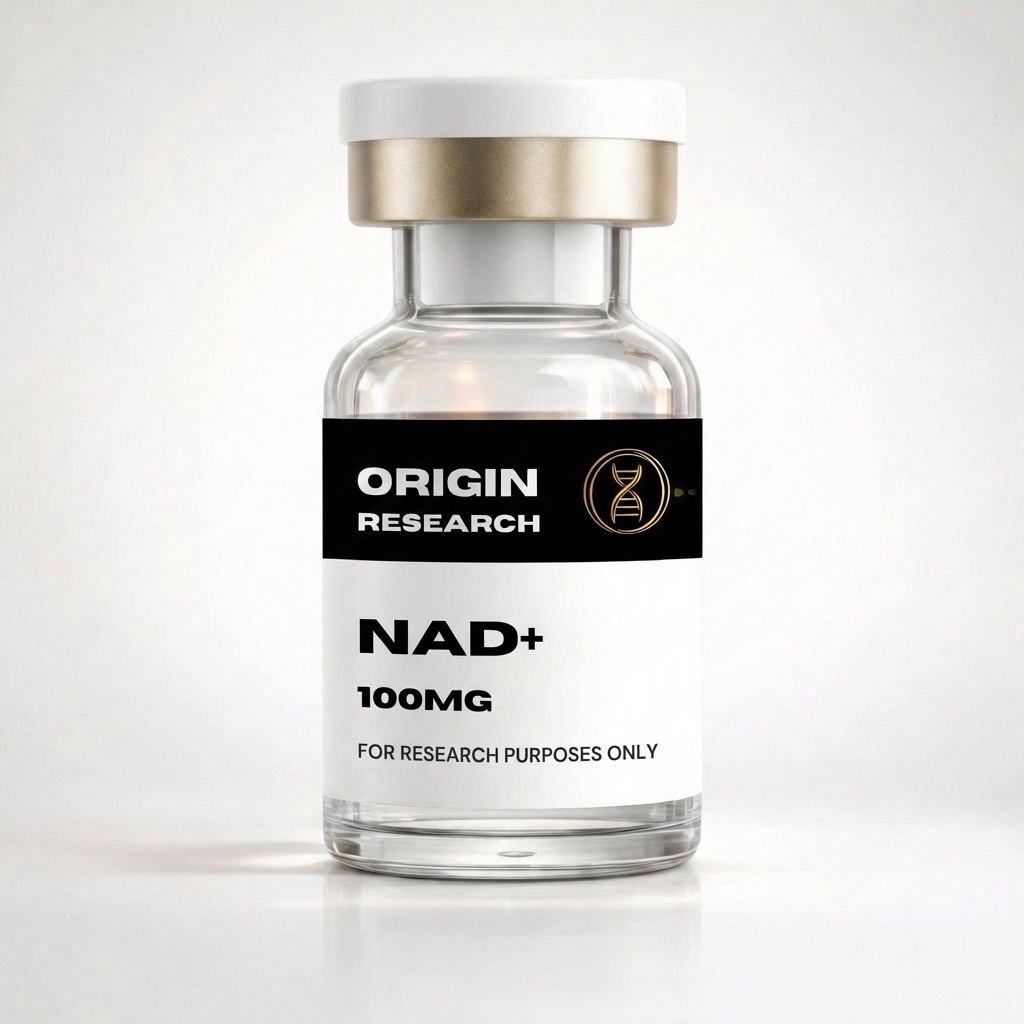
Three compounds in this category target mitochondrial bioenergetics and cellular redox state through distinct mechanisms. SS-31, also referred to as Elamipretide in published clinical literature, is a tetrapeptide investigated for binding to cardiolipin on the inner mitochondrial membrane. Research has examined SS-31 in models of mitochondrial dysfunction including cardiomyocyte ischemia, neurodegenerative models and skeletal muscle bioenergetics. The reported mechanism stabilises the cardiolipin-cytochrome c interaction and supports electron transport chain efficiency in published cellular and animal research. NAD plus is supplied in two vial sizes, 500mg for extended studies and 100mg for shorter or pilot protocols, and is investigated as a substrate for sirtuin-class deacetylases, for PARP-dependent DNA-repair pathways and for cellular energy metabolism in research models. Glutathione is the tripeptide gamma-glutamyl-cysteinyl-glycine and is investigated as the principal cellular antioxidant, the substrate for glutathione peroxidase and a key component of phase II conjugation in detoxification research. Each compound is supplied as a lyophilised powder for in-vitro and animal research models, and stable under refrigeration for several weeks once prepared. Research groups frequently pair SS-31 with NAD plus in mitochondrial efficiency studies and pair Glutathione with NAD plus in redox and detoxification models. COA documentation accompanies every order and shows purity, mass-spectrometry confirmation and content.
Thymic and immune-modulation research with Thymalin and Thymosin Alpha-1
Two compounds in this category target thymic-axis biology and immune-system modulation. Thymalin is a thymus-derived peptide extract developed through Russian peptide-bioregulator research and has been investigated for thymic function, T-cell maturation pathways and immune-senescence models. Published preclinical and clinical research has examined Thymalin in elderly populations, in models of immune decline and as a comparator within the broader thymic-peptide research field. Thymosin Alpha-1 is a synthetic 28-amino-acid thymus-derived peptide that has been investigated extensively in immune-response research, including T-cell maturation, dendritic cell activation, natural killer cell activity and chronic infection models. Published clinical research has examined Thymosin Alpha-1 in hepatitis B and C protocols and in immune-support research across multiple disease contexts. Each compound is supplied as a lyophilised vial for in-vitro and animal research protocols. Stability under refrigeration is several weeks for prepared solution. Research groups frequently study the two compounds in parallel-arm designs to compare the natural-extract thymic peptide pool with the defined-sequence synthetic peptide, or use them in sequential study windows for thymic-axis pathway research. COA documentation accompanies every order and includes HPLC purity, mass-spectrometry confirmation and peptide content. Both compounds are supplied from Origin Labs stock with worldwide dispatch.
Stack pairings, dosing windows and global stock for longevity research
Stack pairings in longevity research are typically designed around convergent mechanisms across telomere, mitochondrial, redox and immune pathways. The most studied pairing within published longevity research is NAD plus with SS-31 for combined mitochondrial bioenergetic and sirtuin-substrate effects. A second pairing combines NAD plus with Glutathione for combined sirtuin substrate and antioxidant capacity research. Epithalon is frequently studied alongside NAD plus in protocols that examine telomere biology and cellular energy metabolism concurrently in animal models. Thymalin and Thymosin Alpha-1 are typically studied independently within immune-axis research given their overlapping target pathway but distinct compound classes. Published dosing windows in longevity research often follow a cyclical pattern, with short courses of two to four weeks repeated at intervals of several months rather than continuous administration, particularly for Epithalon and the thymic peptides in animal models. SS-31 and NAD plus are more frequently dosed in continuous protocols in research models. Origin Research holds every compound in this category in stock with worldwide dispatch via originlabsresearch.com. Lyophilised compounds tolerate standard ambient transit conditions, and certificates of analysis accompany every shipment. Lot reservations for longitudinal study cohorts can be arranged through the contact form, and research groups comparing the 100mg and 500mg NAD plus vials are advised that both contain the same compound at the same purity standard.
Frequently asked questions
Which longevity compound is the most heavily studied in current literature?
Thymosin Alpha-1 has the broadest published clinical literature within this category, with extensive research in immune-response and chronic infection contexts. Epithalon has the deepest pineal and telomere biology literature, primarily from Russian institutions. SS-31, also referred to as Elamipretide, has the most active recent clinical research in mitochondrial dysfunction. The choice depends on the pathway under investigation in the research model.
What is the difference between the 100mg and 500mg NAD plus vials?
Both vials contain the same NAD plus compound at the same purity standard. The 500mg vial provides greater cost efficiency per milligram for extended research protocols or larger cohorts, while the 100mg vial is selected for shorter protocols, smaller cohorts or pilot studies. Both formats are lyophilised for in-vitro and animal research preparation.
Is SS-31 the same as Elamipretide?
Yes. SS-31 is the research designation and Elamipretide is the name used in published clinical literature. The compound is the same mitochondria-targeted tetrapeptide that binds cardiolipin on the inner mitochondrial membrane and has been investigated in cardiomyocyte, skeletal muscle and neurodegenerative research models.
How is Epithalon typically dosed in research protocols?
Published Epithalon research in animal models is typically structured as short courses of several weeks repeated at intervals across a study window, rather than continuous administration. Research groups reference the specific telomere or pineal pathway literature most relevant to their study design, with subcutaneous administration the most common route in rodent models.
Can Glutathione and NAD plus be used in the same study?
Yes. The two compounds target complementary aspects of cellular redox and energy metabolism in research models. Glutathione is investigated as the principal cellular antioxidant and phase II conjugation substrate, while NAD plus is investigated as a sirtuin substrate and energy-metabolism cofactor. Each compound is prepared separately and combined only at the point of administration where the research model requires it.
What is the difference between Thymalin and Thymosin Alpha-1?
Thymalin is a thymus-derived peptide extract developed in Russian bioregulator research and contains a natural mixture of thymic peptide fractions. Thymosin Alpha-1 is a synthetic 28-amino-acid defined-sequence peptide with extensive published clinical research in immune modulation. Research groups select between them based on whether the study design calls for a natural extract or a defined synthetic peptide.
Do longevity peptides ship worldwide?
Yes. Every compound in this category ships from Origin Labs stock to research groups worldwide through tracked courier services. Lyophilised vials tolerate standard ambient transit, and certificates of analysis accompany every order from originlabsresearch.com.