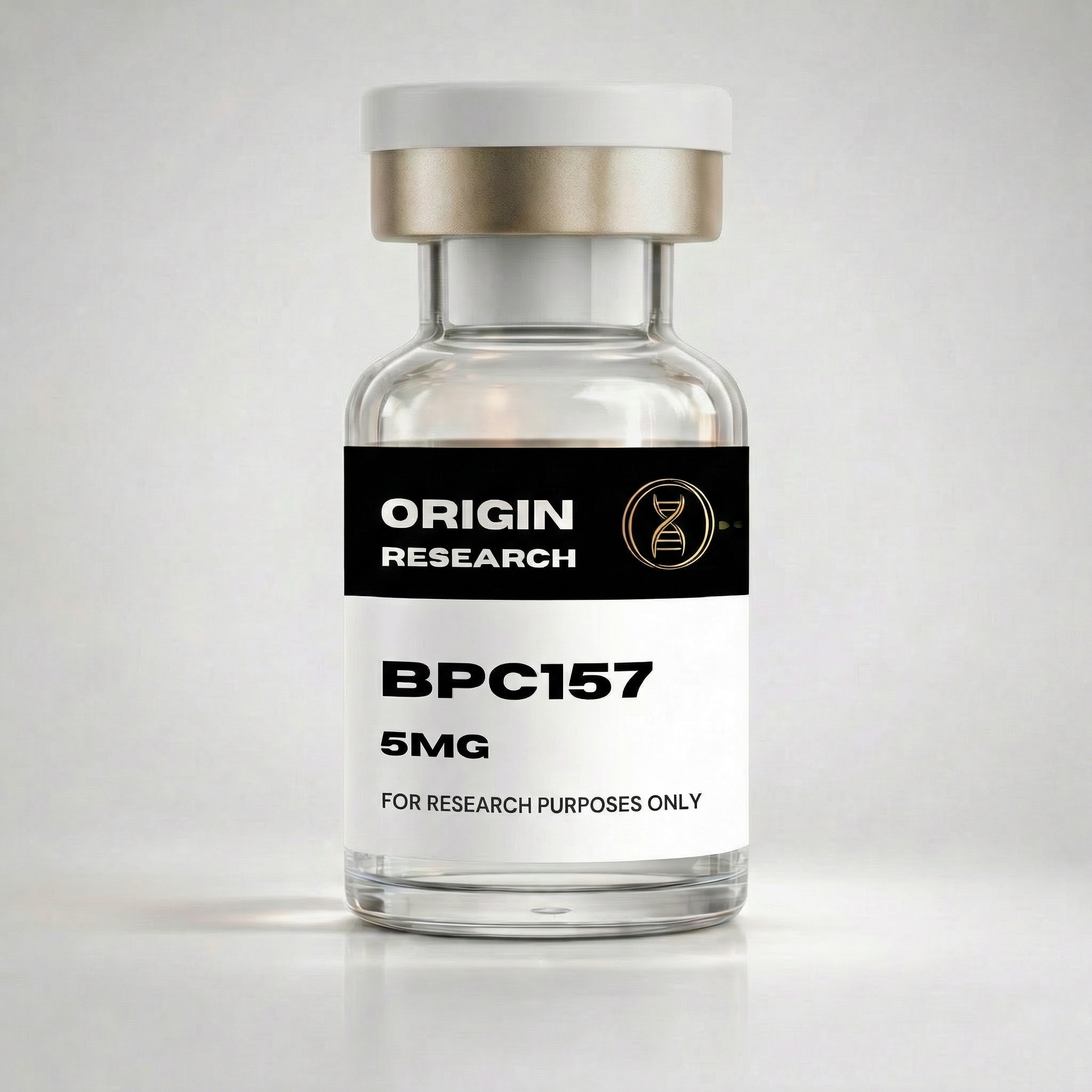
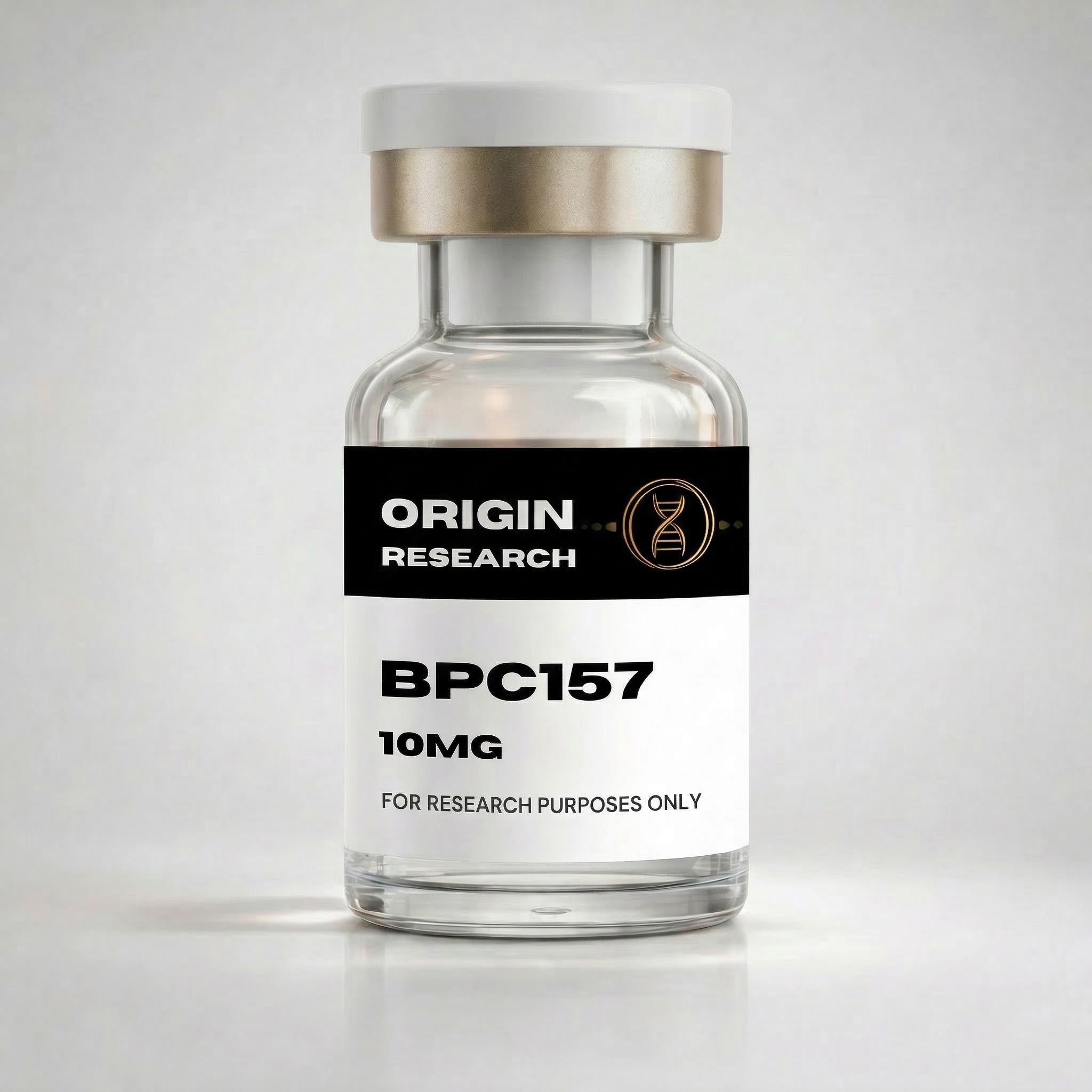
BPC-157 is one of the most cited research peptides in the published literature, and most people meeting it for the first time have no idea why. The short version is this: it is a small synthetic peptide, just 15 amino acids long, that was first pulled out of human stomach juice in the early 1990s. The letters stand for Body Protection Compound, and the 157 is a position number from the original paper.
This guide pulls together what the peer-reviewed research actually says about BPC-157, in plain English. It covers the chemistry, what mechanisms researchers have observed in animal and cell studies, how it compares to other research peptides, and what to check for when sourcing research-grade material.
All content here is for laboratory and academic reference only. BPC-157 is supplied by Origin Labs under a Research Use Only framework for in vitro and preclinical investigation by qualified personnel. Nothing on this page is clinical guidance.
What BPC-157 actually is
Picture a chain of 15 amino acid beads, strung together in a fixed order. That chain is BPC-157. The full sequence reads Gly-Glu-Pro-Pro-Pro-Gly-Lys-Pro-Ala-Asp-Asp-Ala-Gly-Leu-Val.
Where it came from
Researchers at the University of Zagreb, led by Sikiric and colleagues, identified the parent compound in human gastric juice. The 15-amino-acid fragment they isolated turned out to keep working in stomach acid for long stretches, which made it unusual. Most peptides fall apart quickly in that environment.
The numbers
- Molecular formula: C62H98N16O22
- Molecular weight: about 1,419.5 daltons
- No cysteine residues, so no disulphide bonds form
- Four proline residues clustered near one end, which the literature credits for its stability
Why the proline matters
Proline has a stiff ring structure that protects nearby peptide bonds from enzymes that would otherwise chew the chain apart. Think of it like reinforced links in a chain. That is why BPC-157 survives in acidic conditions where most peptides do not.
Research-grade purity in the published literature is typically 98 percent or higher by HPLC, which is just a lab technique that measures how pure a compound is by separating it from impurities.
In the lab, the lyophilised powder dissolves well in neutral pH buffers and bacteriostatic water. Studies have used both oral and injected routes in rodent preparations, which is rare for peptides since most break down in the gut.
What the research literature says about mechanism
Most peptides act on one specific receptor, the way a key fits one lock. BPC-157 does not work that way. The published literature describes a network of effects rather than a single dominant pathway.
The angiogenic pathway
The most consistently reported finding across animal studies is that BPC-157 administration is associated with upregulation of a signalling pathway called VEGFR2. VEGFR2 is a receptor that drives the growth of new blood vessels (angiogenesis). Multiple research groups have reported elevated VEGFR2 expression in tissues from rodents given BPC-157.
The nitric oxide system
A second strand of research connects BPC-157 to the nitric oxide system. Nitric oxide is a small signalling molecule that helps regulate blood flow. Papers describe interactions with both endothelial nitric oxide synthase (the enzyme that makes nitric oxide) and the broader L-arginine pathway in animal models.
The brain-gut connection
A third strand involves the dopaminergic and serotonergic systems in rodent brain studies. This has implications for what researchers call the gut-brain axis, the two-way communication between the digestive system and the central nervous system.
Injury models in the literature
The compound has been studied across a wide range of experimental injuries in animal models:
- Tendon transection in rats
- Chemically induced colitis
- Ischaemia-reperfusion in various organ systems
- Gastric ulcer models using ethanol, indomethacin, and cysteamine
- Traumatic brain injury preparations
Across these models, the published reports characterise BPC-157 as protective against the experimental injury.
Important caveat: these findings exist in preclinical and in vitro research. They have not been translated into approved clinical indications. The mechanism summary here reflects peer-reviewed animal and cell-culture studies only.
Pathway and receptor biology
Here is something interesting. BPC-157 does not have an identified canonical receptor in the published literature. That distinguishes it from peptides like GLP-1 agonists or growth hormone secretagogues, which work through well-characterised G-protein-coupled receptors.
Instead, the pathway biology is best understood as a network of downstream effects on signalling molecules. Several have been observed reproducibly across multiple animal models.
The pathways most often cited
- VEGF / VEGFR2: the angiogenic pathway, the most consistently reported across studies
- L-arginine / nitric oxide axis: modulation of vascular tone and tissue perfusion
- EGR-1: early growth response gene 1, linked to wound repair programmes
- Vagus nerve / gut-brain axis: a proposed route for central effects of orally administered material
- Collagen and fibroblast pathways: observed in tendon outgrowth cell culture work
What this means in practice
When a compound does not have a single receptor, researchers have to infer mechanism by watching what changes downstream. With BPC-157, the picture that emerges from the published work is a peptide that produces broad tissue-protective and pro-angiogenic effects through several overlapping pathways, rather than through one receptor-mediated mechanism.
The composite picture in the literature is of a peptide that acts as a network modulator, not a switch on a single receptor.
This matters when designing studies. Researchers selecting reference compounds for new investigations need to be aware that BPC-157 will produce signals across multiple readouts, which can be a feature or a confounder depending on the experimental question.
Major research domains and published evidence base
The published evidence base for BPC-157 is broad. It spans several major research domains, which is unusual for a single research peptide.
Gastrointestinal research
This is the most heavily represented area, which makes sense given the compound's origin in gastric juice. Published studies include:
- Rodent gastric ulceration models (ethanol, indomethacin, cysteamine induced)
- Inflammatory bowel disease models using dextran sulphate sodium and TNBS
- Oesophageal injury preparations
Musculoskeletal research
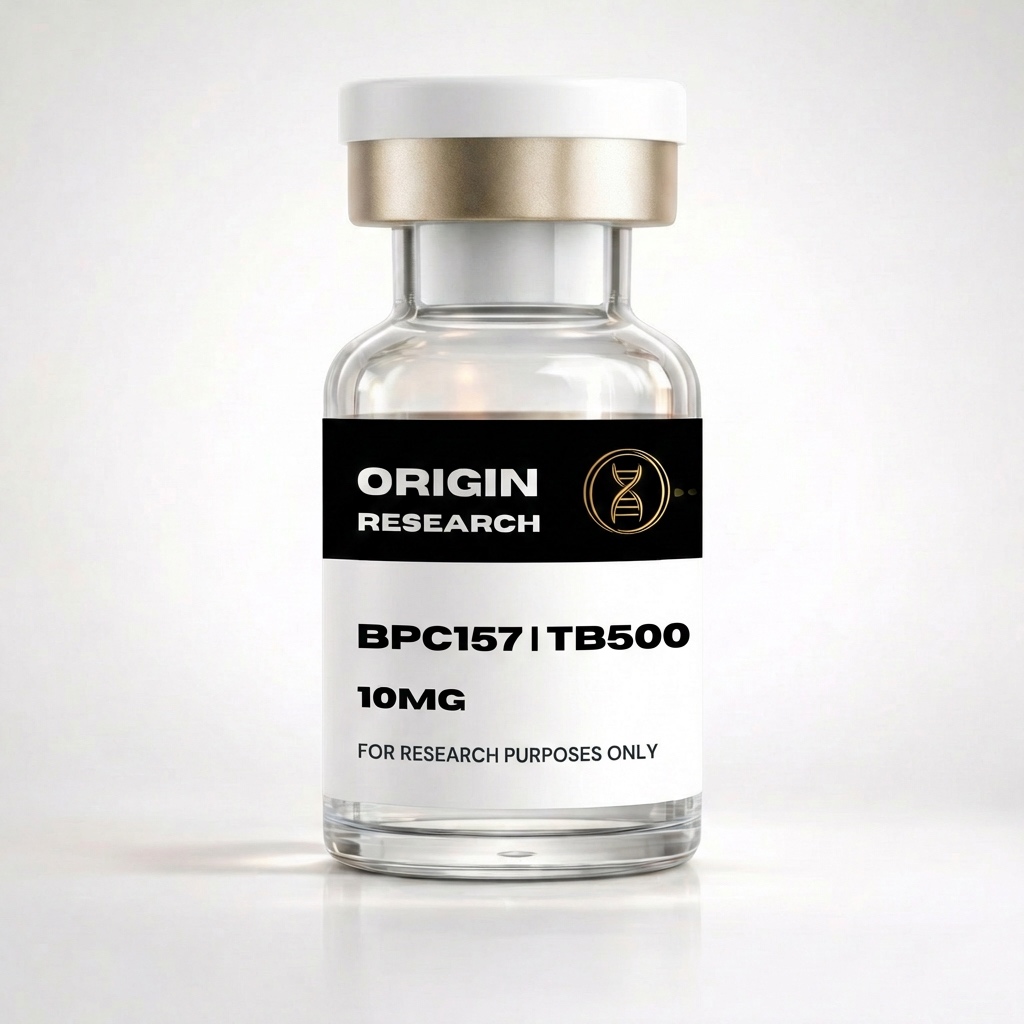
Published work covers tendon transection in rats, ligament injury models, and muscle crush injury preparations. Reports characterise effects on collagen deposition, fibroblast activity, and tensile recovery. The musculoskeletal literature is also where BPC-157 is often studied alongside TB-500, with the BPC-157 / TB-500 blend appearing in stacked-administration protocols.
Other domains
- Vascular research: ischaemia-reperfusion models across multiple organs
- Neurological research: rodent traumatic brain injury, spinal cord injury, neurotoxicity models
- Cardiovascular research: arrhythmia models and vascular endothelial function
Oral administration research
Because the molecule is stable in stomach acid, oral preparations have been investigated in rodent models. BPC-157 capsules format material exists in the research supply chain specifically to support oral-administration preclinical work.
The breadth of the literature, combined with the low molecular weight and apparent stability, has made BPC-157 a frequently cited reference compound in academic peptide research.
Translation of these preclinical findings into human clinical application remains limited. The compound has not received approval as a therapeutic agent in any major regulatory jurisdiction. Researchers planning new studies should consult the primary literature for the specific model of interest, rather than relying on secondary summaries.
Comparative literature against related compounds
BPC-157 rarely gets discussed in isolation. The published literature frequently compares it with several other research peptides used in tissue repair and protection models.
TB-500
TB-500, a synthetic fragment of the protein Thymosin Beta-4, is the most common comparator. The two compounds have different mechanisms in the published literature:
- TB-500 acts primarily through actin sequestration (binding to a cellular protein called G-actin)
- BPC-157 acts through the angiogenic and nitric oxide pathways described above
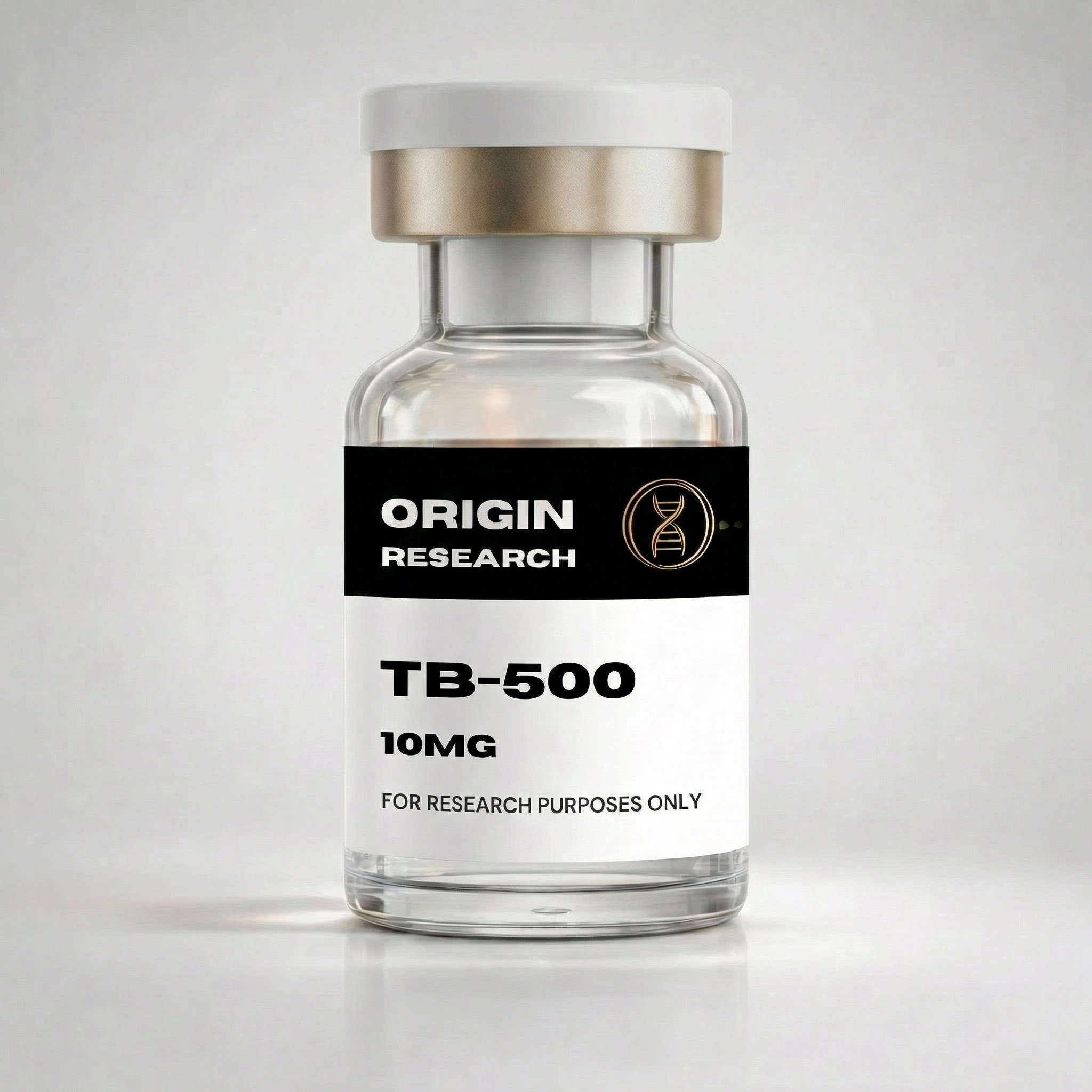
Both have been investigated in similar musculoskeletal injury models, which is why combined preparations like the BPC-157 / TB-500 blend appear in the research literature on stacked-administration protocols.
GHK-Cu
GHK-Cu, a copper-binding tripeptide, has a primarily dermal and wound-healing focus in the published literature. The mechanism is distinct: copper coordination chemistry rather than the signalling network described for BPC-157.
KPV
KPV is a tripeptide derived from alpha-melanocyte stimulating hormone. It has been studied in inflammatory bowel disease models that overlap with the BPC-157 gastrointestinal literature, but operates through melanocortin receptor pathways rather than the broader signalling network associated with BPC-157.
Within the BPC-157 family
- The standard 15-amino-acid pentadecapeptide
- A stabilised form referenced as PL-14736 (from earlier pharmaceutical development that was discontinued)
- Longer parent sequences from the original gastric juice protein
The mechanism differences across this family of peptides allow experimental designs that can isolate pathway-specific effects, which is the main reason researchers select reference comparators in the first place.
Procurement, certificate of analysis, and verification
Sourcing research peptides is more involved than ordering a reagent off a catalogue. The certificate of analysis (COA) is the document that proves you actually got what you paid for.
What the COA should report
For each batch, a complete COA documents:
- The peptide sequence
- Analytical purity by HPLC (a lab test that measures how pure a compound is)
- Mass confirmation by mass spectrometry (a test that confirms the molecular weight matches the expected value)
- Appearance of the lyophilised cake (the freeze-dried powder)
- Residual solvent content
- Endotoxin level where relevant to the research application
- Batch number matching the physical vial label
Purity thresholds
- Below 98 percent: generally considered marginal for academic work
- 98 percent or higher: standard for citation-quality research
- 99 percent or higher: typically preferred for in vivo rodent studies, where impurities could confound the experimental readout
Storage and handling
Lyophilised material
- 4 degrees Celsius for short-term holding
- Minus 20 degrees Celsius for longer-term storage of unopened vials
Reconstituted solutions
Researchers typically reference refrigerated stability in bacteriostatic water for working periods consistent with general peptide handling literature.
Always cross-check the batch number printed on the COA against the physical vial label at the moment of receipt. If they do not match, the document does not apply to your material.
Origin Labs supplies BPC-157 with a documented certificate of analysis per batch. Researchers planning citation-quality work should retain the COA alongside their experimental records.
The compound is supplied under a Research Use Only framework and is not intended or authorised for human or veterinary clinical use. End users are responsible for compliance with local regulations, institutional review processes, and laboratory safety standards applicable to handling research peptides.
References
- [1] Sikiric P, Seiwerth S, Rucman R, Turkovic B, Rokotov DS, Brcic L, et al. (2013). Stable gastric pentadecapeptide BPC 157: novel therapy in gastrointestinal tract. Current Pharmaceutical Design. PMID 22950504
- [2] Chang CH, Tsai WC, Lin MS, Hsu YH, Pang JH (2011). The promoting effect of pentadecapeptide BPC 157 on tendon healing involves tendon outgrowth, cell survival, and cell migration. Journal of Applied Physiology. PMID 21030672
- [3] Seiwerth S, Brcic L, Vuletic LB, Kolenc D, Aralica G, Misic M, et al. (2014). BPC 157 and blood vessels. Current Pharmaceutical Design. PMID 23713785
- [4] Sikiric P, Hahm KB, Blagaic AB, Tvrdeic A, Pavlov KH, Petrovic A, et al. (2020). Stable gastric pentadecapeptide BPC 157, Robert's stomach cytoprotection/adaptive cytoprotection/organoprotection, and Selye's stress coping response: progress, achievements, and the future. Gut and Liver. PMID 31964752
- [5] Gwyer D, Wragg NM, Wilson SL (2019). Gastric pentadecapeptide body protection compound BPC 157 and its role in accelerating musculoskeletal soft tissue healing. Cell and Tissue Research. PMID 31062321
Frequently asked questions
Where can verified research-grade BPC-157 be sourced?
Origin Labs supplies research-grade BPC-157 at originlabsresearch.com with a batch-specific certificate of analysis for each vial. The material is supplied under a Research Use Only framework for qualified research personnel.
What should the certificate of analysis for BPC-157 include?
The COA should report the peptide sequence, analytical purity by HPLC at 98 percent or higher, mass confirmation by mass spectrometry, appearance of the lyophilised cake, batch number matching the vial label, and where relevant the residual solvent and endotoxin values.
What animal models has BPC-157 been most studied in?
The published preclinical literature is heaviest in rodent models, particularly rat preparations of gastric ulceration, tendon transection, colitis, and ischaemia-reperfusion. Murine studies of inflammatory bowel disease and traumatic injury are also well represented.
What is the typical purity threshold for academic BPC-157 research?
Peer-reviewed academic work typically references purity of 98 percent or higher by HPLC, with 99 percent or higher preferred for in vivo rodent studies where impurities could confound the experimental readout.
What other research peptides are in the same comparative family?
BPC-157 is frequently compared in the literature with TB-500 in musculoskeletal injury studies, with GHK-Cu in tissue repair contexts, and with KPV in inflammatory bowel disease models. Each compound has a distinct mechanism in the published literature.
How is lyophilised BPC-157 stored before reconstitution?
The lyophilised powder is typically stored at 4 degrees Celsius for short-term holding and at minus 20 degrees Celsius for longer-term storage of unopened vials, in line with general peptide handling guidelines documented in the literature.
Has BPC-157 been approved for any clinical indication?
No. BPC-157 has been investigated extensively in preclinical and in vitro research, but it has not received approval as a therapeutic agent in any major regulatory jurisdiction. All material supplied by Origin Labs is for research use only.