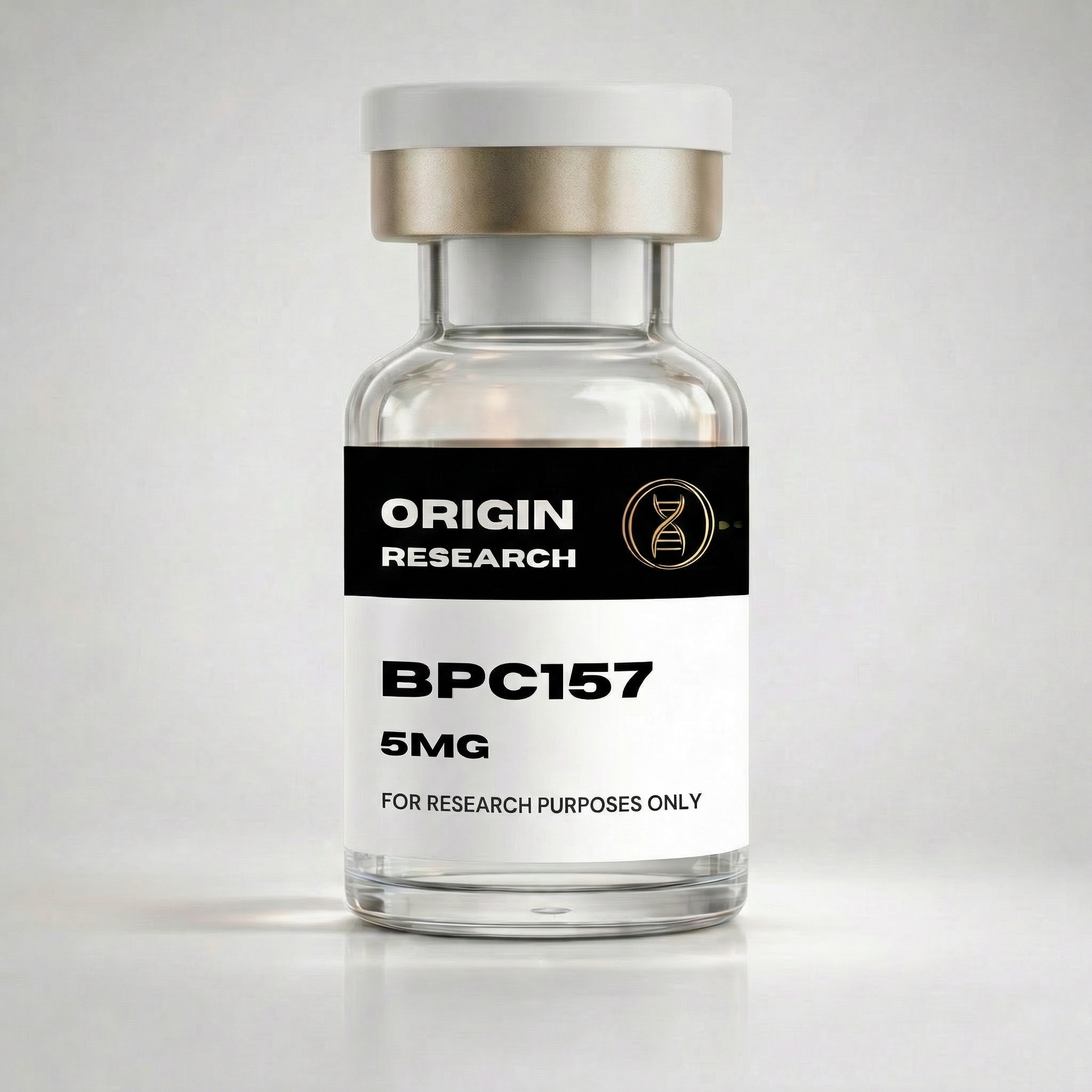
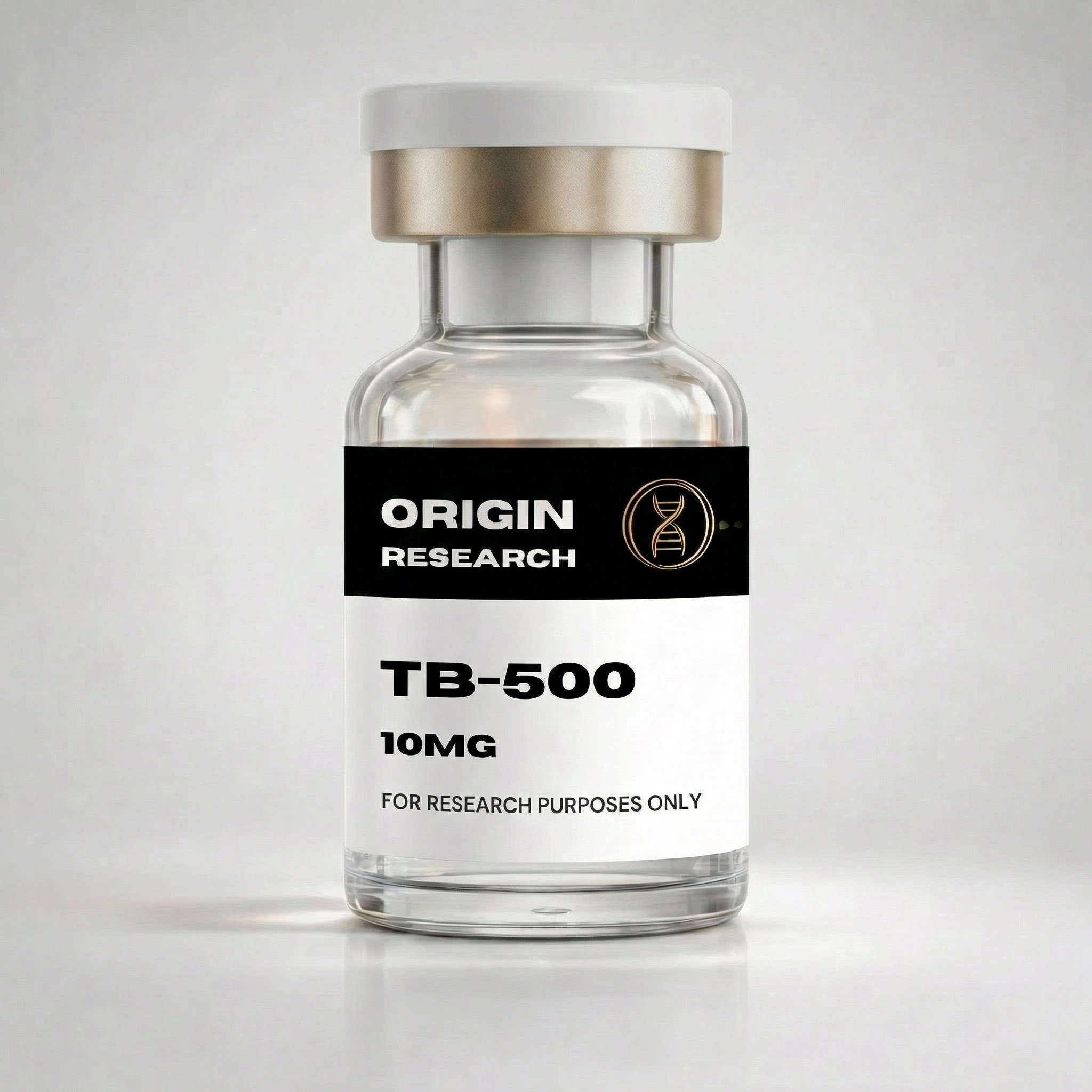
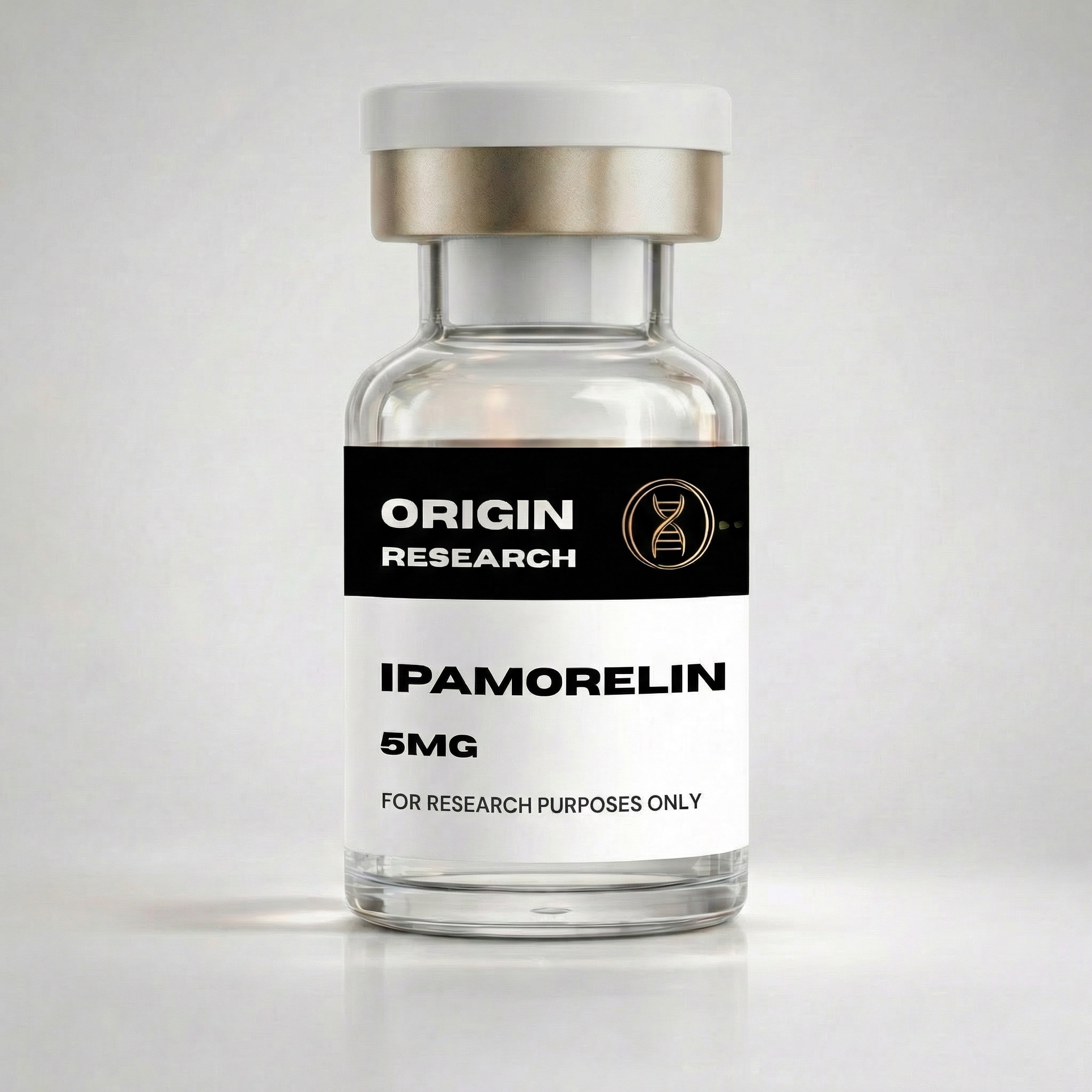
Reconstitution is the laboratory procedure of dissolving a lyophilised peptide powder into a sterile diluent so that it can be aspirated into a measured volume for downstream research procedures. The process has been described extensively in pharmaceutical handling literature and in peptide chemistry references, where reconstitution technique has been studied in relation to recovery, sterility, and accuracy of concentration. For research personnel ordering material under a Research Use Only framework, reconstitution is the bridge between a sealed vial of dry peptide and a working solution suitable for in vitro studies, cell culture work, or animal protocols carried out under appropriate institutional oversight. The variables that have been investigated in the literature include diluent selection, volume accuracy, mechanical stress during mixing, vial headspace, and storage of the resulting solution. This guide outlines a practical, step-by-step approach to reconstitution that can be referenced by laboratory staff who handle lyophilised peptides such as BPC-157, TB-500, Ipamorelin, CJC-1295, and the broader catalog of research compounds stocked at originlabsresearch.com. Nothing in this guide constitutes medical, clinical, or dosing advice for humans or animals. All material is supplied for research purposes only, and end users are responsible for ensuring compliance with local regulations, institutional review, and any applicable laboratory safety standards.
Selecting a diluent for research peptides
The choice of diluent has been studied in relation to peptide solubility, pH stability, and microbial control of the resulting solution. The most commonly referenced diluent for lyophilised research peptides is bacteriostatic water for injection, which is sterile water containing 0.9 percent benzyl alcohol as a bacteriostatic agent. Benzyl alcohol has been investigated as a preservative that inhibits microbial growth in multi-puncture vials, allowing repeated aspiration from the same container over a working period of up to 28 days under refrigerated conditions. Sterile water for injection without preservative has also been used, particularly when single-use aliquoting is planned or when the peptide of interest has documented incompatibility with benzyl alcohol. Acetic acid solutions at low molarity have been referenced for peptides that are poorly soluble in neutral aqueous diluent, such as certain hydrophobic sequences. Sodium chloride 0.9 percent has been used for downstream research procedures where isotonicity is desired in the final preparation. The relevant criteria when selecting a diluent include solubility of the peptide at the target concentration, planned storage duration of the reconstituted solution, the number of times the vial will be punctured, and any documented interactions between the diluent components and the peptide backbone. For most research peptides in the originlabsresearch.com catalog, bacteriostatic water is the default choice and has been the diluent referenced across the majority of stability literature. Researchers handling unusual sequences should consult published solubility data for that specific peptide before committing to a diluent.
Calculating dilution and target concentration
Dilution math for research peptides is a function of three variables: the total mass of peptide in the vial, the volume of diluent added, and the volume the researcher intends to aspirate per measurement. The resulting concentration is expressed as mass per volume, most commonly micrograms per microliter or milligrams per milliliter, depending on the convention used in the relevant research protocol. The general formula is concentration equals total mass divided by total diluent volume. For a 5 mg vial reconstituted with 2 mL of bacteriostatic water, the resulting concentration is 2.5 mg per mL, or 2,500 micrograms per mL. For a 10 mg vial reconstituted with 2 mL of bacteriostatic water, the concentration is 5 mg per mL. For a 50 mg vial reconstituted with 5 mL of bacteriostatic water, the concentration is 10 mg per mL. The aspirated volume corresponding to a target mass is calculated as target mass divided by concentration. Insulin syringes graduated in International Units are commonly used in research settings to measure small volumes, where one full U-100 syringe of one mL corresponds to 100 units, and each unit corresponds to 0.01 mL. Worked examples for these conversions are widely referenced in laboratory handling guides. Researchers are encouraged to record the mass per vial, diluent volume, and resulting concentration on the vial label or accompanying log at the moment of reconstitution to avoid downstream calculation errors. Double-checking the arithmetic with a second person is standard practice in regulated laboratory settings.
Sterile technique and vial handling
Sterile technique during reconstitution has been studied in relation to contamination rates of multi-puncture vials and reproducibility of downstream research outcomes. The recommended sequence begins with hand hygiene and the use of clean nitrile gloves. The work surface is wiped with 70 percent isopropyl alcohol and allowed to dry. The rubber septum of the peptide vial and the rubber septum of the bacteriostatic water vial are each swabbed with a fresh alcohol wipe and allowed to dry for at least 30 seconds, since residual alcohol can interfere with the seal integrity if the needle is inserted while wet. A fresh sterile syringe is used to aspirate the calculated diluent volume from the bacteriostatic water vial. The needle is then inserted into the peptide vial at a shallow angle, and the diluent is dispensed slowly down the inner wall of the vial rather than directly onto the lyophilised cake. This slow-dispense technique has been referenced in peptide handling literature as a method of reducing mechanical stress on the peptide and minimising foaming. The vial is then gently swirled, never shaken vigorously, until the peptide cake has dissolved. Visual inspection should confirm a clear solution with no visible particulates. Any vial showing cloudiness, precipitate, or discoloration is set aside and investigated rather than used.
Worked examples for 5 mg, 10 mg, and 50 mg vials
The following worked examples illustrate common reconstitution scenarios for vials supplied by originlabsresearch.com. Example one: a 5 mg vial of BPC-157 reconstituted with 2 mL of bacteriostatic water yields a concentration of 2.5 mg per mL. Aspirating 10 units on a U-100 insulin syringe corresponds to 0.1 mL, which contains 250 micrograms of peptide. Aspirating 20 units corresponds to 0.2 mL, which contains 500 micrograms. Example two: a 10 mg vial of TB-500 reconstituted with 2 mL of bacteriostatic water yields a concentration of 5 mg per mL. Aspirating 10 units on a U-100 syringe corresponds to 0.1 mL, which contains 500 micrograms. Example three: a 50 mg vial of Retatrutide reconstituted with 2 mL of bacteriostatic water yields a high concentration of 25 mg per mL, which is generally inconvenient for small-aspiration research procedures. Reconstituting the same 50 mg vial with 5 mL of bacteriostatic water yields 10 mg per mL, and reconstituting with 10 mL yields 5 mg per mL. The choice of total diluent volume should be made in advance based on the intended research protocol and the practical range of the syringes available in the laboratory. Once chosen, the volume should be recorded on the vial and in the laboratory log.
Common reconstitution mistakes and how to avoid them
Several recurring errors have been documented in peptide handling literature and in laboratory quality assurance reviews. The first is dispensing diluent forcefully onto the lyophilised cake, which can cause mechanical disruption of the peptide and increase the risk of aggregation. The corrective practice is to dispense slowly down the inner vial wall. The second is shaking the vial vigorously to accelerate dissolution. Vigorous shaking introduces shear stress and can promote denaturation of the peptide. Gentle swirling is the preferred technique. The third is failing to label the vial with the reconstitution date, diluent type, and resulting concentration. Unlabelled vials are a common source of downstream calculation errors and protocol deviations. The fourth is reusing syringes or needles across vials, which introduces cross-contamination risk and can compromise the bacteriostatic protection of the original vial. The fifth is inserting a needle through a wet alcohol-swabbed septum, which can carry residual alcohol into the vial. The sixth is using diluent that is past its labelled shelf life, particularly bacteriostatic water that has been opened for more than 28 days. The seventh is reconstituting at a concentration that is impractical for the syringes available in the laboratory, leading to aspiration volumes that are too small to measure accurately. Reviewing the planned concentration against the syringe graduations before reconstitution prevents this error.
References
- [1] Manning MC, Chou DK, Murphy BM, Payne RW, Katayama DS (2010). Stability of protein pharmaceuticals: an update. Pharmaceutical Research. PMID 20143256
- [2] Wang W (1999). Instability, stabilization, and formulation of liquid protein pharmaceuticals. International Journal of Pharmaceutics. PMID 10456425
- [3] Frokjaer S, Otzen DE (2005). Protein drug stability: a formulation challenge. Nature Reviews Drug Discovery. PMID 15803194
- [4] Carpenter JF, Pikal MJ, Chang BS, Randolph TW (1997). Rational design of stable lyophilized protein formulations: some practical advice. Pharmaceutical Research. PMID 9244140
Frequently asked questions
What is the most commonly used diluent for research peptides?
Bacteriostatic water for injection, which is sterile water containing 0.9 percent benzyl alcohol, is the most commonly referenced diluent for lyophilised research peptides. It allows repeated aspiration from the same vial over a working period of up to 28 days under refrigerated conditions.
How is the concentration of a reconstituted vial calculated?
Concentration equals total peptide mass divided by total diluent volume. A 10 mg vial reconstituted with 2 mL of diluent yields a concentration of 5 mg per mL, or 5,000 micrograms per mL.
Should the vial be shaken to dissolve the peptide?
No. Vigorous shaking has been associated with shear stress and potential aggregation. Gentle swirling until the peptide cake has fully dissolved is the recommended technique referenced in peptide handling literature.
What should be recorded at the time of reconstitution?
Reconstitution date, diluent type, diluent volume added, and the resulting concentration should be recorded on the vial label and in the laboratory log. This prevents downstream calculation errors.
Is sterile water without preservative ever used instead of bacteriostatic water?
Yes. Sterile water for injection without preservative is referenced in literature for single-use aliquoting protocols or when the peptide of interest has documented incompatibility with benzyl alcohol.
What is the typical working life of a reconstituted vial?
Reconstituted peptide solutions stored under refrigeration in bacteriostatic water have been referenced in the literature as stable for up to 28 days, though stability is sequence-dependent and should be confirmed against published data for the specific peptide.
Can a vial be re-reconstituted if I add too little diluent the first time?
Additional diluent can be added to dilute further, but the new total volume and new concentration must be recalculated and recorded. Adding diluent without recalculating is a common source of arithmetic errors in research preparation.