
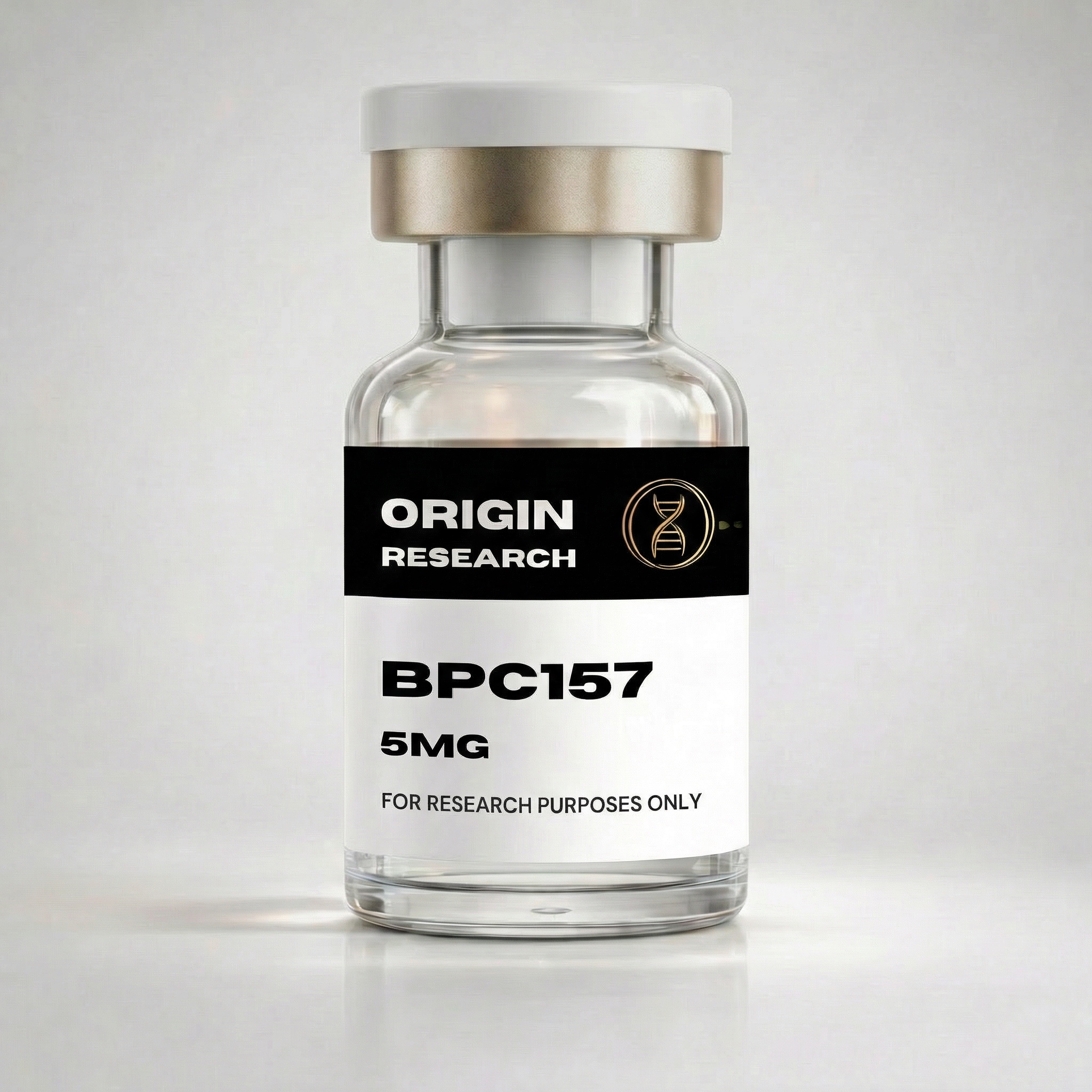
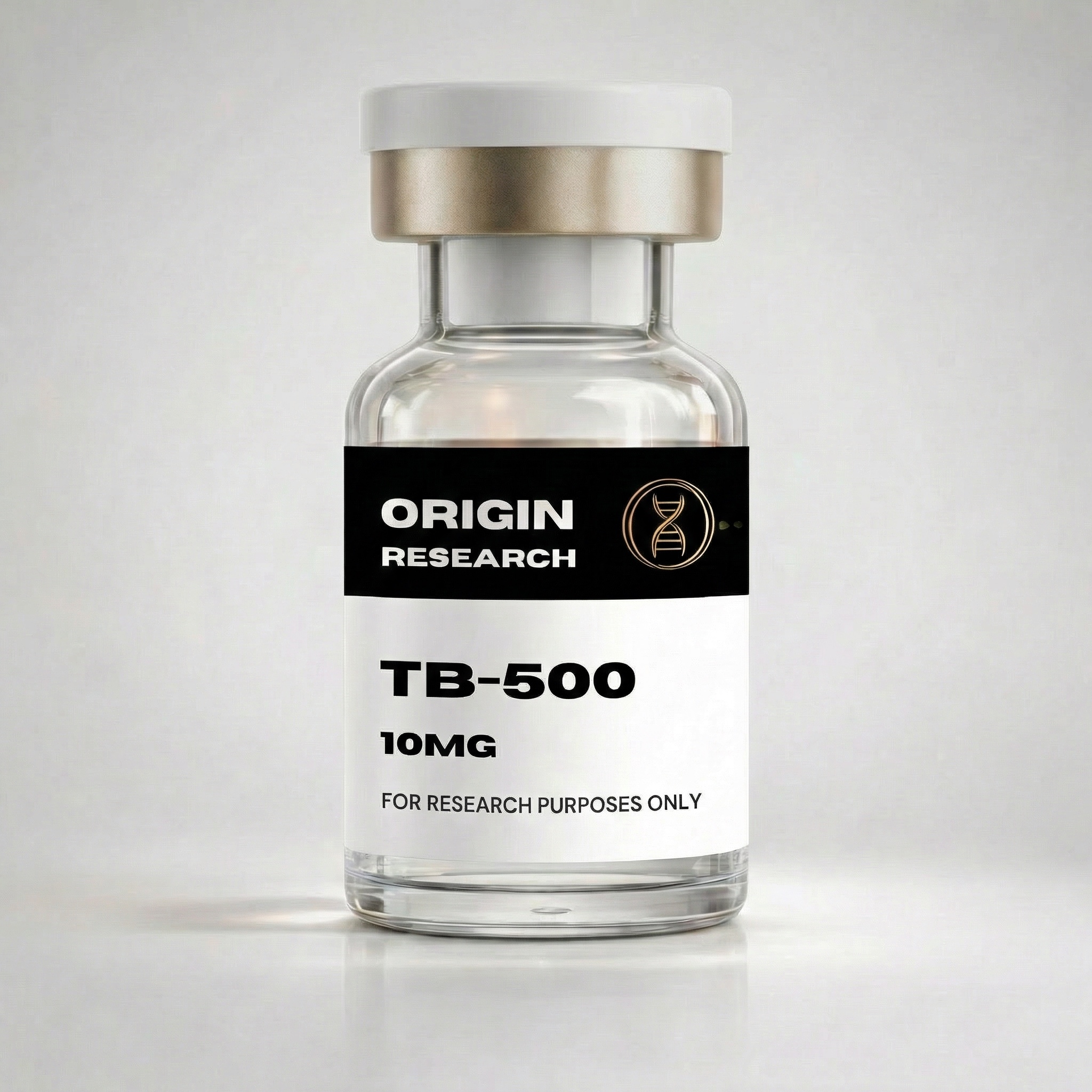
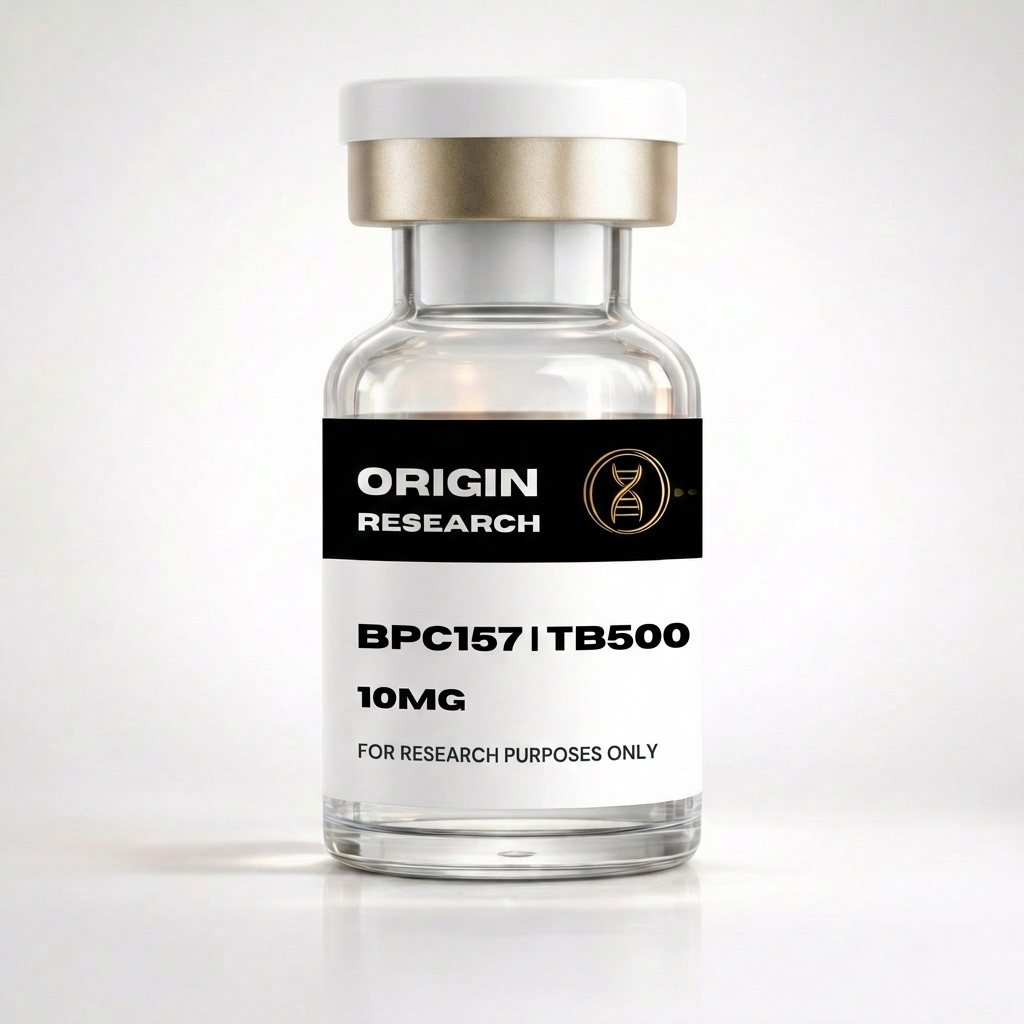
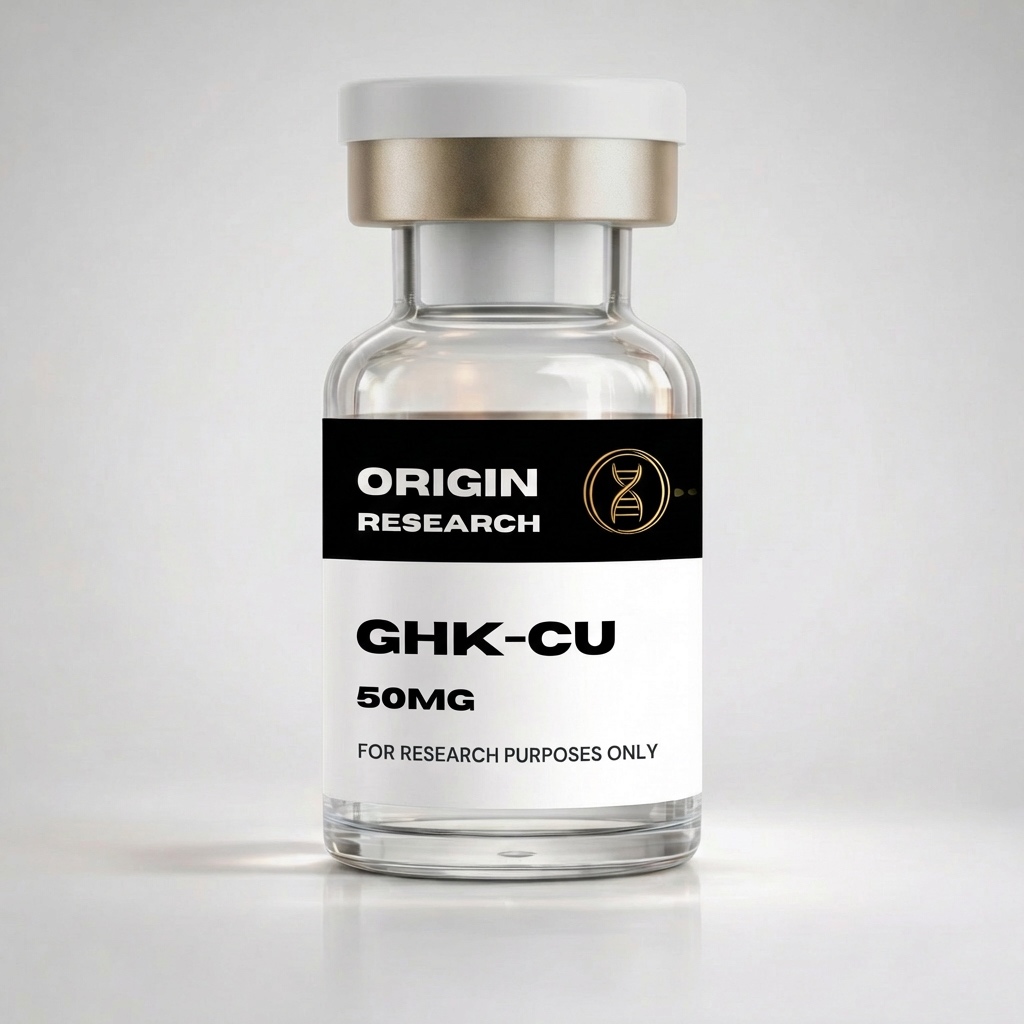
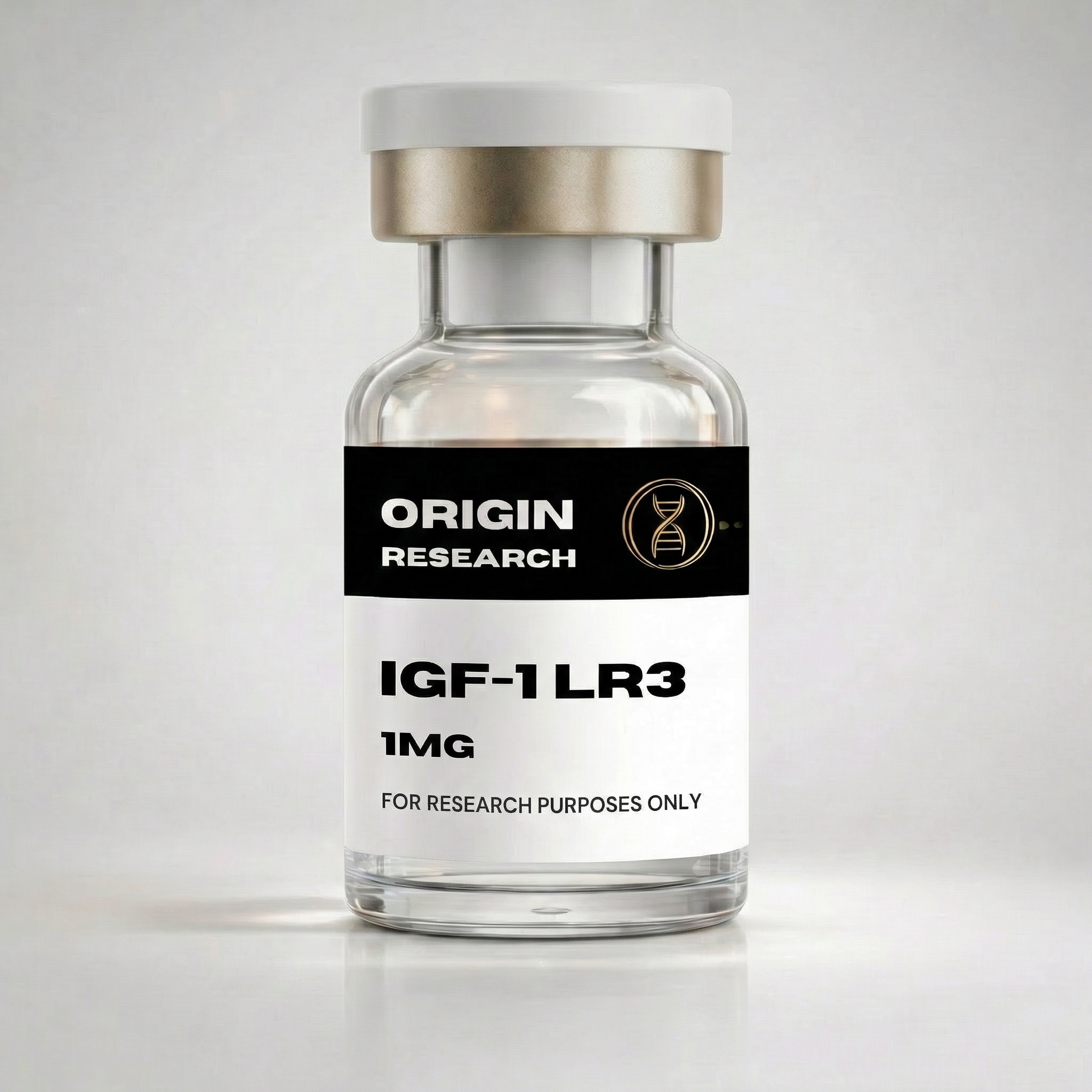
Soft-tissue repair research covers a broad class of preclinical investigation focused on connective tissue, tendon, ligament, muscle belly, and gastric mucosal models. Compounds in this category have been studied in rodent transection models, surgical anastomosis assays, ischemic flap studies, and in-vitro fibroblast and tenocyte cultures. Researchers worldwide investigating this area typically structure work around endpoints such as collagen I and III deposition, VEGF expression, angiogenic signalling, and macrophage polarisation, rather than any clinical or consumer-facing claim. The compounds most commonly investigated under this research umbrella in the Origin Research catalog are BPC-157, TB-500, the BPC/TB Blend, GHK-Cu, and IGF-1 LR3. Each has a distinct mechanistic literature footprint. BPC-157, a synthetic 15-amino-acid sequence derived from a fragment of body protection compound, has been investigated in rat tendon-to-bone interface studies and gastric ulcer models since the early 1990s work by Sikiric and colleagues. TB-500, the synthetic acetylated tetrapeptide segment of Thymosin Beta-4, has been studied in dermal wound and cardiac infarct rodent models for its effect on actin sequestration and cell migration in research models. The BPC/TB Blend is used in protocol-mapping research where investigators want to evaluate overlapping pathways in a single dosing arm in animal models. GHK-Cu, a copper tripeptide, has been researched extensively in fibroblast culture for its modulation of TGF-beta and matrix remodelling enzymes. IGF-1 LR3, a long-arginine analog of insulin-like growth factor 1, is studied where receptor-binding duration is a variable of interest in in-vitro work. Research groups globally select this stack because it covers angiogenic, anti-fibrotic, and anabolic signalling within one bench protocol, and because all five reference compounds ship from Origin Labs stock with batch-matched COA documentation, reducing transit lead time and freeze-thaw risk compared to less established sourcing routes.
About this research area
Mechanism overlap and selection criteria
Selection between BPC-157, TB-500, GHK-Cu, and IGF-1 LR3 in a soft-tissue repair research model usually starts with the endpoint being measured. BPC-157 has been investigated primarily in studies tracking nitric oxide pathway modulation, VEGFR2 upregulation, and gastric and tendon healing rates in rodent models. TB-500 has been studied in literature focused on actin filament dynamics and endothelial cell migration in vitro, making it the more common reference compound where capillary network density is the primary readout in animal models. GHK-Cu has been researched in protocols measuring dermal matrix metalloproteinase expression, decorin levels, and antioxidant gene panels in fibroblast cultures. IGF-1 LR3 sits in a different mechanistic lane, with the bulk of its preclinical literature anchored to direct IGF-1R activation, mTOR downstream signalling, and satellite cell proliferation assays. The BPC/TB Blend is generally selected by research groups wanting to map overlapping versus distinct contributions across the BPC and TB pathways within the same animal cohort, reducing inter-animal variance. Selection criteria across research groups globally often include reference compound purity (HPLC above 98 percent), peptide sequence verification by mass spectrometry, and consistency of lyophilisation across batches. Researchers using Origin Research for these reference materials cite the published COA per lot, cold-chain handling, and the documented amino acid sequence on each product page as primary selection factors. Endpoint design then drives whether single-compound arms, blend arms, or full stack arms are appropriate for the model. None of these compounds are approved for human therapeutic use and all sales are restricted to in-vitro and preclinical research applications.
How researchers typically structure protocols
Preclinical soft-tissue repair protocols using these reference compounds are commonly structured around either a chronic dosing arm of 14 to 28 days in rodent models or a short acute window of 72 to 96 hours in cell culture and ex-vivo tendon explant work. In published rodent Achilles transection models, BPC-157 has been investigated at low-microgram-per-kilogram doses delivered intraperitoneally, with histological scoring of tendon fibre alignment at days 7, 14, and 21. TB-500 reference dosing in dermal punch biopsy rat models has been documented in the range of 0.1 to 0.5 milligrams per kilogram, typically administered every 72 hours. The BPC/TB Blend is used in protocols where researchers want both arms covered within a single subcutaneous administration in animal models, particularly in studies where animal handling stress is a known confound. GHK-Cu in fibroblast culture is generally investigated at nanomolar to low-micromolar concentrations across 24, 48, and 72 hour timepoints, with RT-qPCR panels for collagen, elastin, and SOD2 as common endpoints. IGF-1 LR3 in satellite cell assays has been studied at low-nanogram-per-millilitre concentrations with phospho-AKT and phospho-S6K readouts. Reconstitution practice in research labs typically uses bacteriostatic water for short-term aliquots and sterile saline or PBS for cell culture work, with single-use aliquots stored at minus 80 Celsius to limit freeze-thaw degradation. Researchers should note that all dosing references above are drawn from published preclinical literature and apply strictly to non-human research models.
Stack pairings and combination research
Combination research in the soft-tissue repair space is one of the more active sub-areas in preclinical peptide literature. The BPC-157 plus TB-500 pairing is the most frequently referenced, with the rationale being that BPC-157 has been investigated in studies measuring vascular endothelial growth factor signalling and TB-500 in studies measuring actin-based cell migration in research models, giving researchers two complementary readouts within one model. GHK-Cu is sometimes added in dermal or topical-overlay research arms where matrix remodelling is also an endpoint, although co-administration with copper-binding peptides requires attention to buffer composition. IGF-1 LR3 is more typically run as a standalone arm or as a positive control for anabolic signalling rather than blended, because its receptor pharmacokinetics differ substantially from the BPC and TB families. The BPC/TB Blend offered in Origin Research stock simplifies dose-matching across cohorts and reduces pipetting variance, which is a known issue when reconstituting two separate vials of low-mass lyophilised peptide. Research groups working on tendon-bone interface models have published combined-arm protocols that pair BPC/TB Blend reference administration with mechanical loading regimens in animal models, although the loading variable is the dominant driver of outcome in those models. Combination work should always be designed with appropriate vehicle and single-compound control arms so that interaction effects can be cleanly attributed. All combination protocol references above are drawn from published rodent and in-vitro work and are intended for research use only, not human application.
Global stock and supply considerations
Supply continuity matters in repair-model research because protocols are typically multi-week and a stock interruption mid-cohort introduces batch variance that is difficult to control for statistically. The Origin Research catalog holds BPC-157, TB-500, the BPC/TB Blend, GHK-Cu, and IGF-1 LR3 in cold storage, which reduces the customs clearance windows that often delay less established sourcing routes by 7 to 21 days. Each reference vial ships with a batch-matched certificate of analysis covering HPLC purity, mass spectrometry sequence confirmation, and endotoxin testing where applicable. Worldwide shipping is generally 2 to 7 working days to most destinations, with cold-pack packaging used for the longer transit lanes. Researchers ordering for chronic protocols often request batch reservations so that the same lot is used across the full cohort, and the catalog supports lot-level traceability through the COA system. Storage on receipt should follow the lyophilised peptide standard, which is minus 20 Celsius for short-term and minus 80 Celsius for long-term archive, with reconstituted aliquots used within the published stability window for each sequence. Customs handling globally is straightforward for in-vitro research reagents when documentation lists the material as a research chemical with the correct CAS or sequence reference, and originlabsresearch.com documentation is structured for this classification. None of these compounds are sold for human, veterinary, or clinical use, and all customers are required to confirm research-only intent at checkout.