
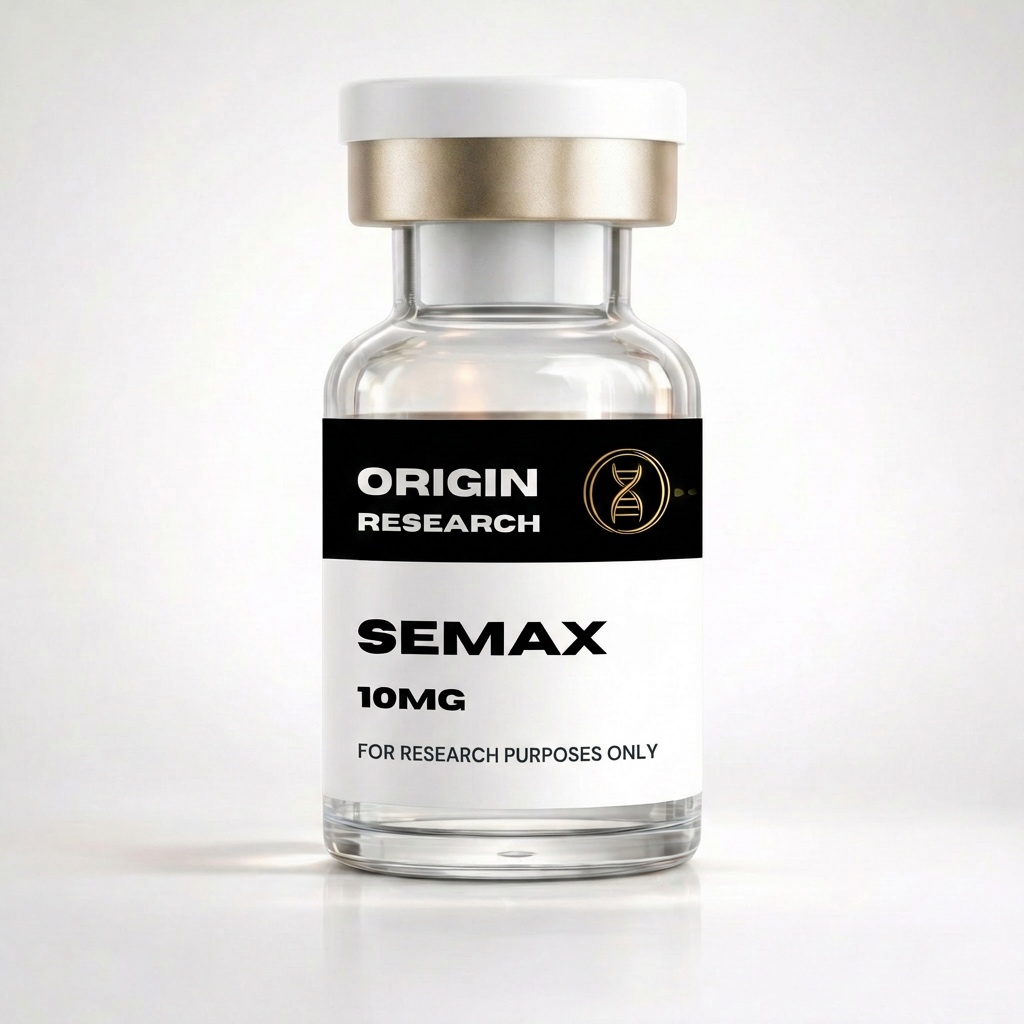
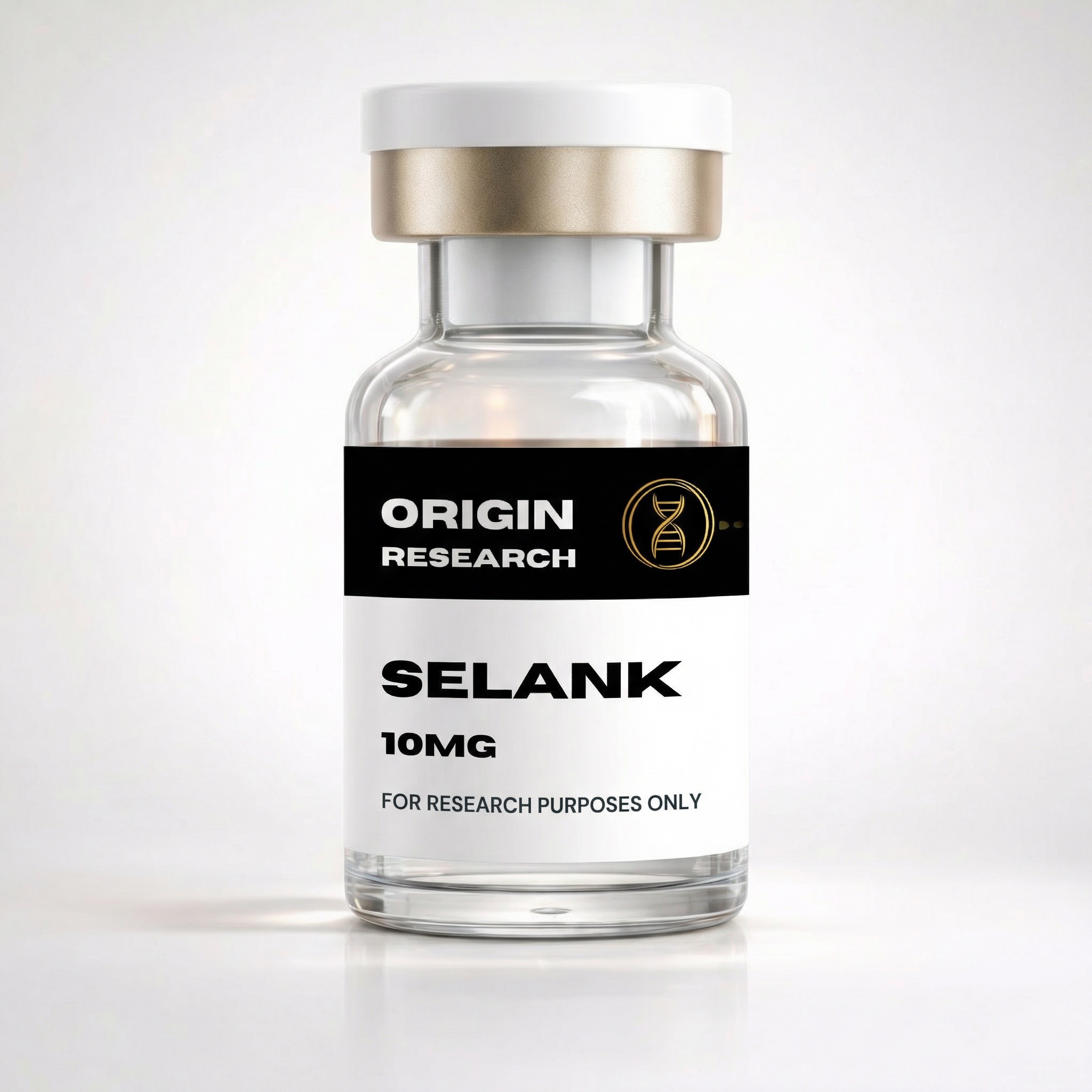
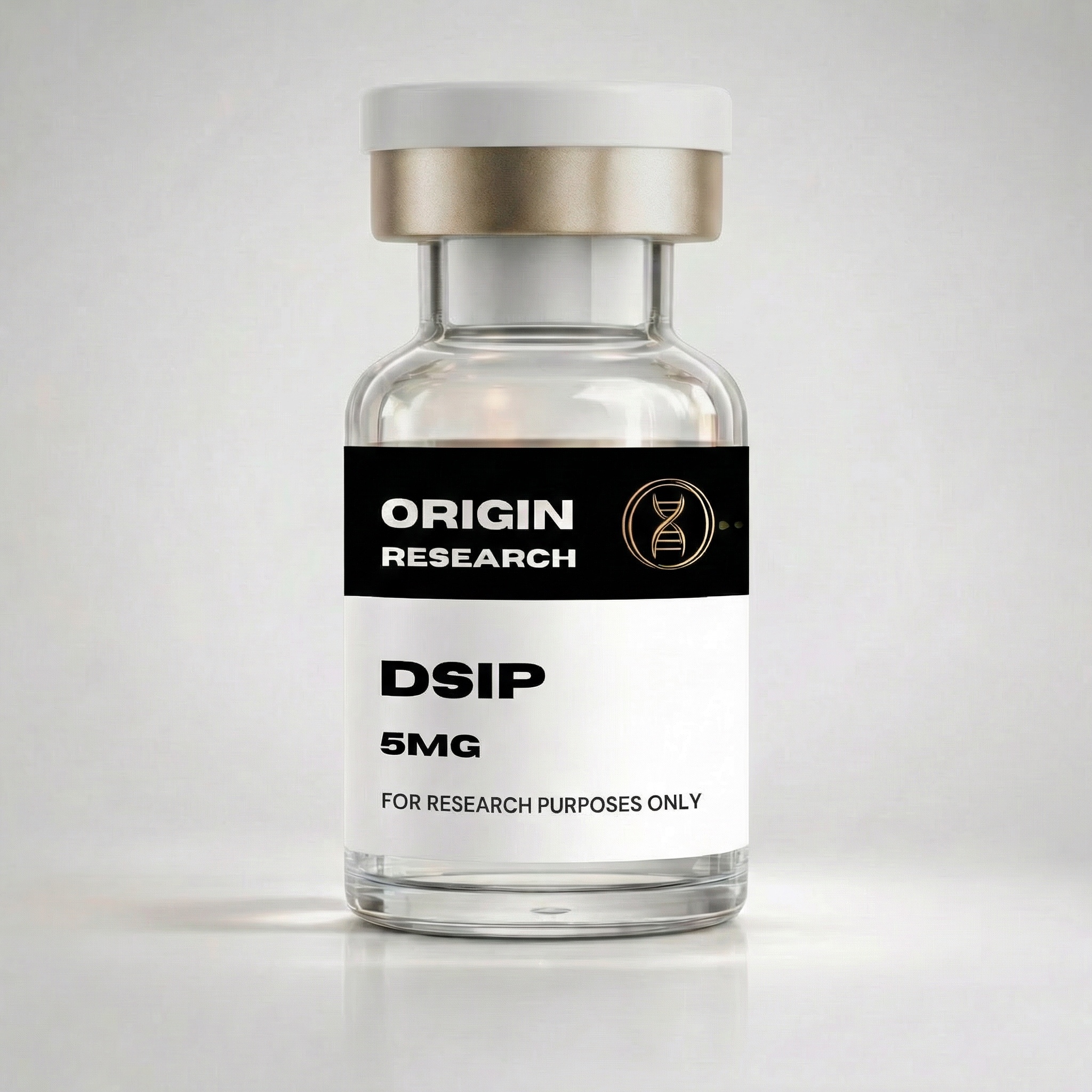
Nootropic research is a preclinical investigation category focused on central nervous system signalling related to attention, memory consolidation, neuroplasticity, and sleep architecture in research models. Compounds studied in this area are typically evaluated in rodent behavioural batteries such as Morris water maze, novel object recognition, and elevated plus maze, as well as in BDNF expression assays, hippocampal slice electrophysiology, and EEG-monitored sleep studies in animal models. Endpoints across published work commonly include BDNF and NGF protein levels in rodent tissue, long-term potentiation magnitude in hippocampal CA1, dopaminergic and serotonergic neurotransmitter turnover, and sleep stage distribution measured by EEG and EMG in animal subjects. The compounds most often investigated under this research category in the Origin Research catalog are SEMAX, Selank, and DSIP. Each has a distinct mechanistic literature footprint. SEMAX is a synthetic heptapeptide derived from an ACTH 4-10 fragment, originally developed in Russian research programmes and investigated in studies of BDNF and NGF expression, dopaminergic system modulation, and cognitive task performance in rodent models. Selank is a synthetic heptapeptide based on the endogenous tetrapeptide tuftsin, studied in published work on GABAergic system modulation, anxiolytic-style behavioural endpoints in rodents, and IL-6 and BDNF panel changes in research models. DSIP, delta sleep-inducing peptide, is a nonapeptide investigated in sleep architecture studies, with published rodent EEG data documenting changes in delta-wave activity and slow-wave sleep distribution in animal models. Research groups globally select this stack because it spans cognitive, anxiolytic-pathway, and sleep-architecture endpoints within one bench programme, and because all three reference compounds ship from Origin Labs stock with batch-matched COA documentation, which is relevant for nasal-administration peptide research in rodent models where sterility and sequence verification are protocol-critical.
About this research area
Mechanism overlap and selection criteria
Selection between SEMAX, Selank, and DSIP in a nootropic research model is driven primarily by which CNS pathway the investigator wants to probe. SEMAX has been investigated in published rodent work covering BDNF and NGF upregulation in the hippocampus and striatum, modulation of dopaminergic turnover, and improved performance on memory-task batteries in animal models. It is the most common starting reference in this category when the endpoint is neurotrophic factor expression or attention-related behavioural readouts in research animals. Selank sits in a different mechanistic lane, with published literature documenting its modulation of GABAergic signalling, anxiolytic-style behavioural endpoints in elevated plus maze and open field tests in rodents, and changes in cytokine panels including IL-6. Selank is selected when the research model is closer to anxiety-pathway investigation than to pure cognitive performance in animal models, although there is overlap with BDNF endpoints across both compounds. DSIP is the appropriate reference when sleep architecture is the dependent variable in rodent studies, with published EEG work in rodents documenting delta-wave and slow-wave sleep distribution changes after administration in animal models. Selection criteria across research groups globally include HPLC purity above 98 percent, mass spectrometry sequence confirmation, and where intranasal administration is the model route, sterility documentation and reconstitution-buffer compatibility. All three compounds are typically procured with batch-matched COA, and lot reservation is requested where chronic cohort design spans multiple weeks. None of these compounds are approved for human therapeutic use and all sales are restricted to research applications.
How researchers typically structure protocols
Nootropic protocols are commonly designed around either acute single-dose pharmacodynamic windows of 1 to 6 hours for behavioural endpoints in rodents or chronic daily-administration arms of 7 to 28 days for BDNF and neuroplasticity endpoints in animal models. SEMAX in published rodent work has been investigated by intranasal administration in research animals at low-microgram-per-kilogram doses, with behavioural testing in the 30 to 120 minute post-administration window. Selank is similarly investigated by intranasal route in rodents at comparable dose ranges, with elevated plus maze and open field testing in the same acute window in animal subjects. DSIP is administered by intraperitoneal or subcutaneous route in published EEG studies in rodents, with sleep stage scoring across the 12 hours following administration in animal models. Chronic protocols for SEMAX and Selank typically run 14 to 28 days of daily dosing in research animals with terminal hippocampal tissue collection for BDNF and NGF protein quantification by Western blot or ELISA. Reconstitution for intranasal research administration in rodents uses sterile saline at concentrations matched to the published dosing range, with single-use aliquots stored at minus 80 Celsius. Cohort design for nootropic protocols requires careful environmental control including consistent housing conditions, circadian timing of administration in animal models, and habituation to handling, because all three behavioural endpoint classes are sensitive to environmental variance. All dosing references apply strictly to non-human preclinical research models.
Stack pairings and combination research
Combination research between SEMAX, Selank, and DSIP is less developed in published preclinical literature than in some other peptide categories, but several pairings appear in the available studies. SEMAX plus Selank has been investigated in rodent models seeking to evaluate combined neurotrophic and anxiolytic-pathway endpoints in the same animal cohort, with the rationale being that SEMAX engages BDNF and dopaminergic pathways while Selank engages GABAergic and cytokine endpoints, giving non-overlapping mechanistic readouts in research models. DSIP is typically run as a standalone arm in sleep-architecture studies but has been investigated alongside SEMAX in protocols where both daytime cognitive endpoints and nighttime sleep EEG endpoints are measured in the same research animals. Combination protocols in this area require particular attention to administration timing because SEMAX and Selank intranasal pharmacodynamics overlap in the acute window while DSIP is typically administered later in the active phase to align with sleep-onset scoring in rodent EEG studies. The Origin Research catalog supplies each reference as a separate vial, allowing investigators to titrate each arm independently. Combination protocol design should include single-compound and vehicle control arms, with behavioural and EEG endpoint timing planned around the shorter pharmacodynamic window. All combination references apply strictly to non-human preclinical research.
Global stock and supply considerations
Nootropic peptide research often uses intranasal administration in rodent models, which places higher demands on sterility and reconstitution-buffer compatibility than other administration routes. The Origin Research catalog holds SEMAX, Selank, and DSIP in cold storage with lot-level COA covering HPLC purity, sequence confirmation by mass spectrometry, and where applicable endotoxin and sterility documentation. Origin Labs sourcing matters for these compounds because intranasal research workflows in rodent models are sensitive to transit temperature excursion and to potential degradation during extended customs holds. Standard delivery is 2 to 7 working days worldwide with cold-pack packaging on longer lanes. Storage follows the lyophilised peptide standard of minus 20 Celsius short-term and minus 80 Celsius long-term archive, with reconstituted nasal-administration aliquots used within the published stability window for each sequence. SEMAX and Selank in reconstituted saline are typically used within 14 days under refrigeration in published protocols, with single-use aliquots preferred for chronic studies in animal models. DSIP stability in reconstituted form is similar. Lot reservation is available for multi-week behavioural cohorts so that the full study arm is dosed from one batch in animal research. All compounds in this category are sold strictly for in-vitro and preclinical research and are not approved for human or veterinary therapeutic use.