
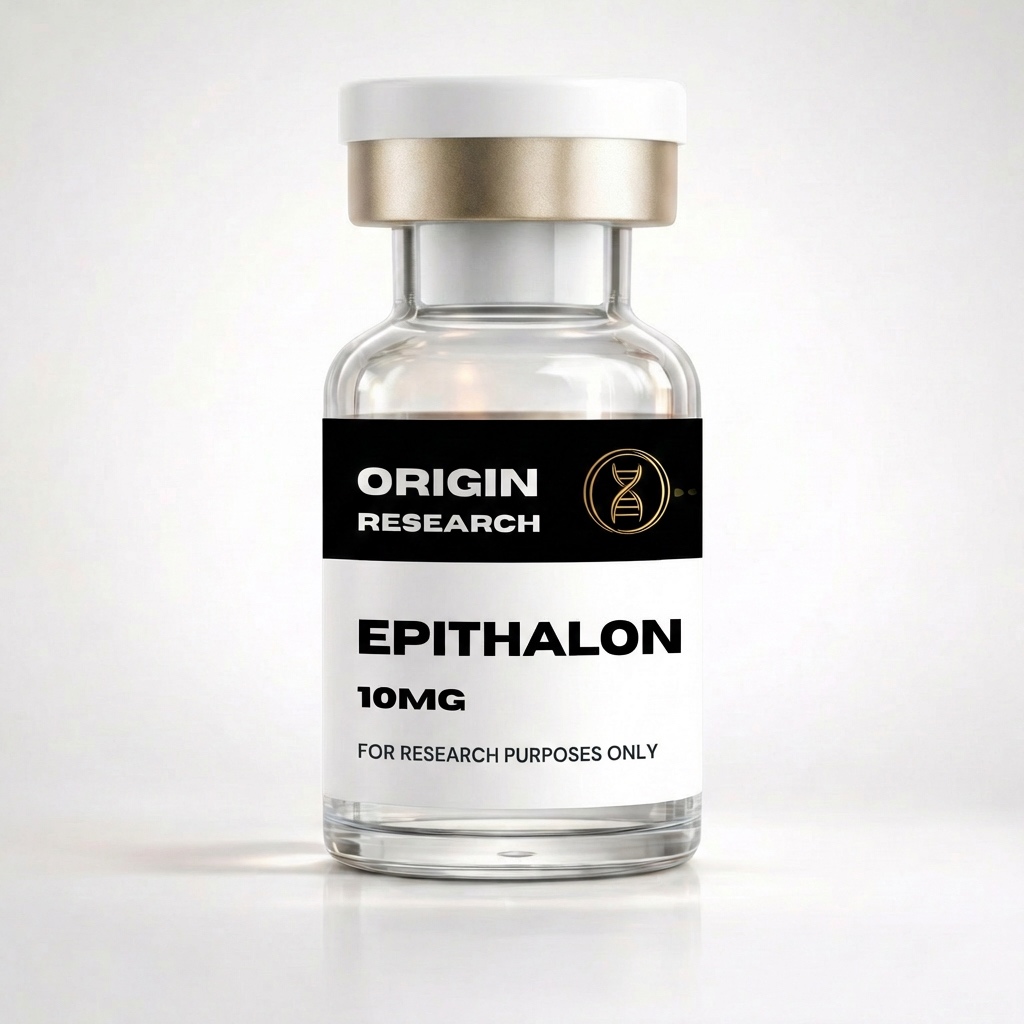
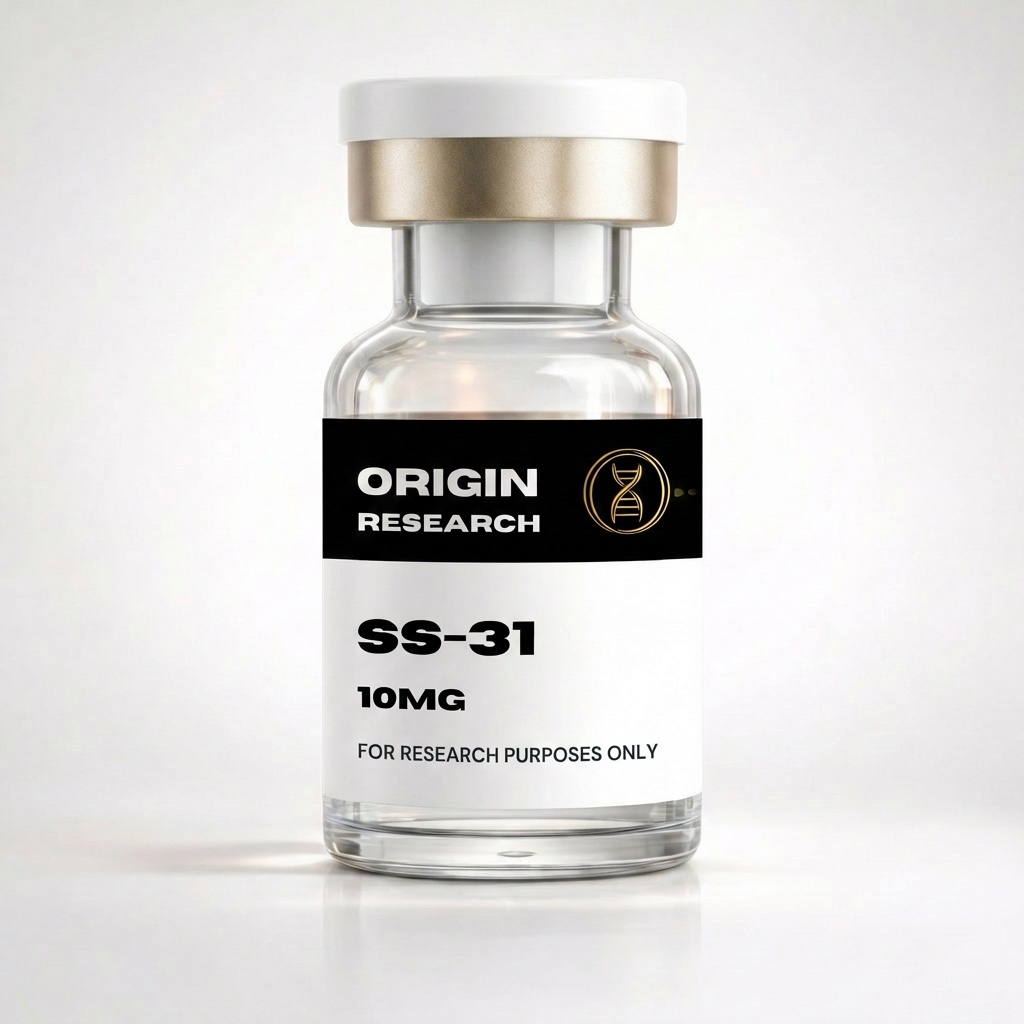
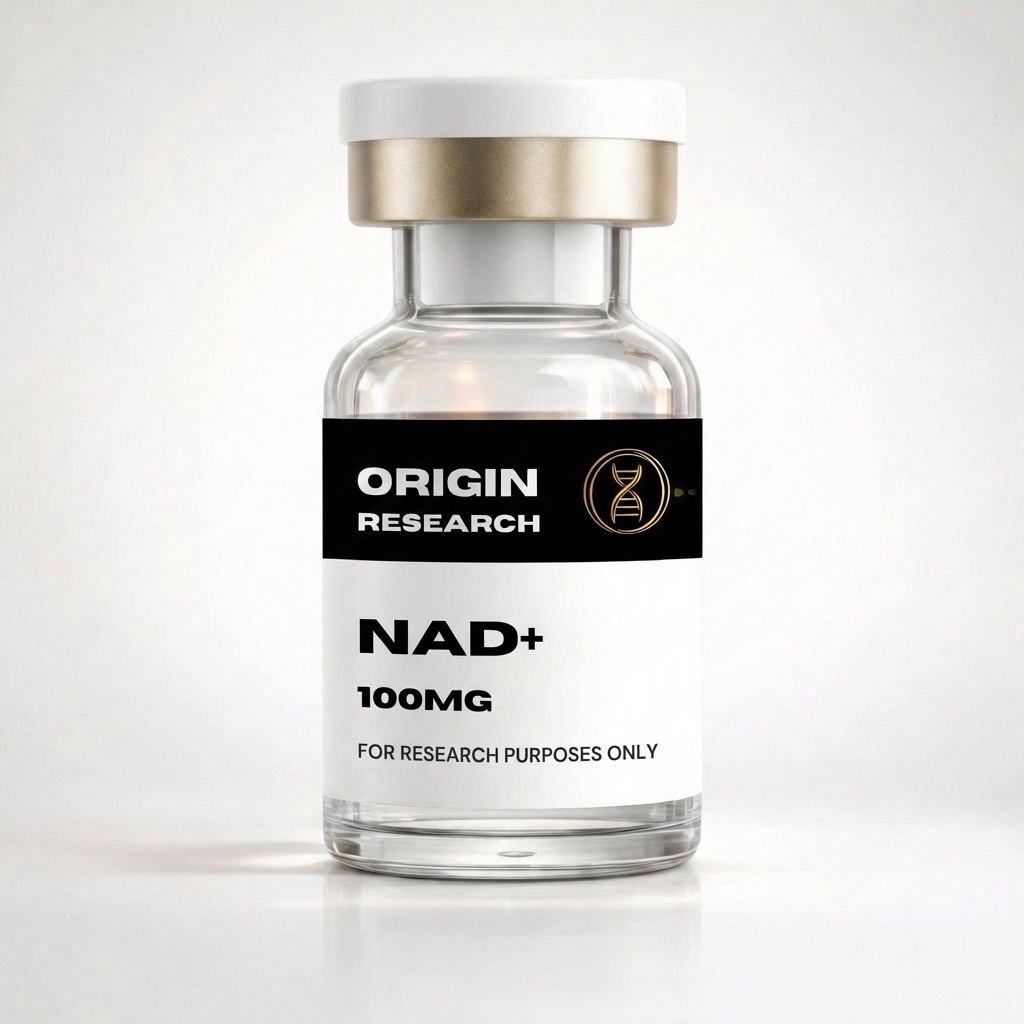
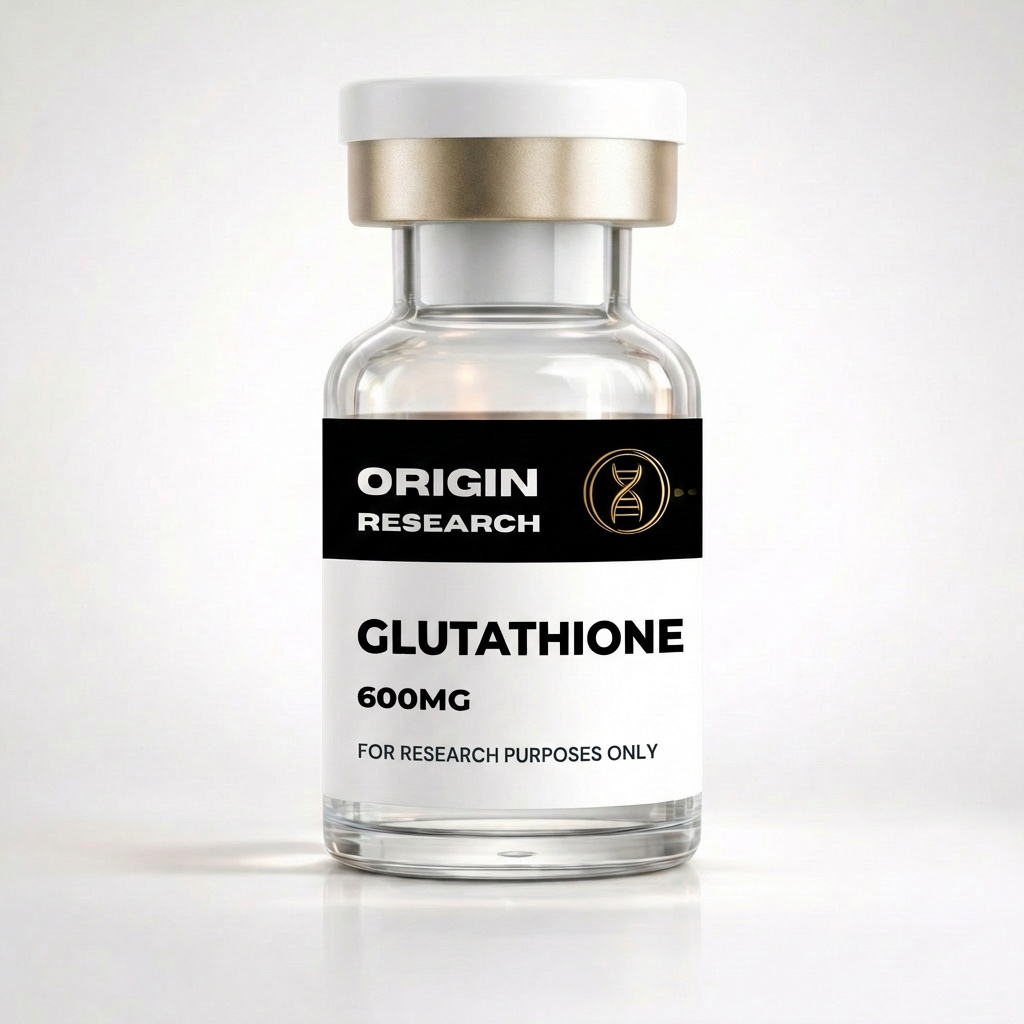
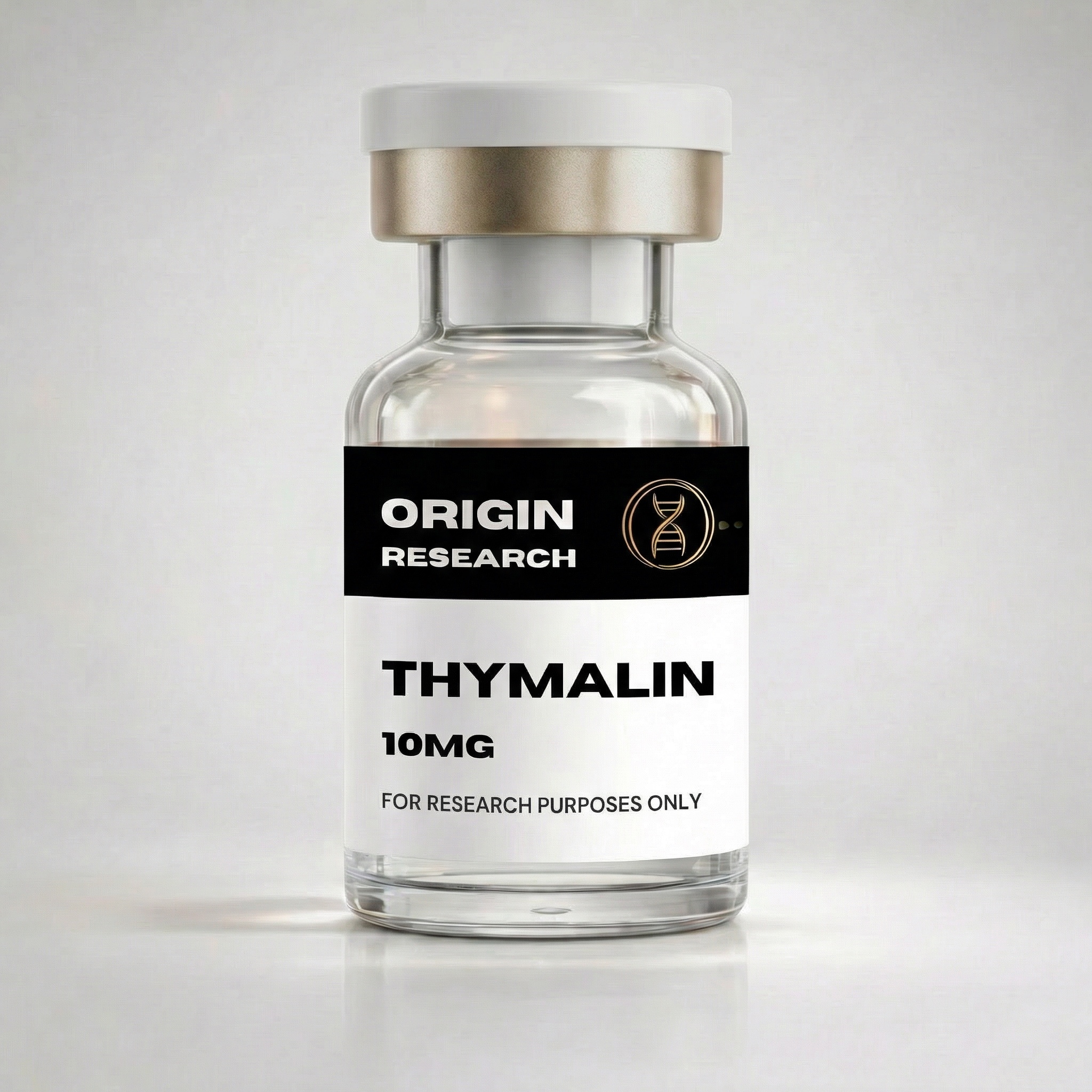
Longevity research is a preclinical investigation category focused on cellular senescence, mitochondrial bioenergetics, telomere biology, redox balance, and integrated stress response signalling across tissues in research models. Compounds studied in this area are typically evaluated in rodent ageing cohorts, senescent cell culture models, mitochondrial respirometry assays, and oxidative stress readouts including glutathione, malondialdehyde, and 8-OHdG markers in animal and in-vitro studies. Endpoints across published work commonly include telomere length by qPCR, p16INK4a and senescence-associated beta-galactosidase staining, mitochondrial membrane potential, NAD plus and NADH ratios, and integrated stress response gene panels in research tissues. The compounds most often investigated under this research category in the Origin Research catalog are Epithalon, SS-31, NAD plus 500mg, Glutathione, and Thymalin. Each has a defined mechanistic position. Epithalon is a synthetic tetrapeptide originally developed in Russian gerontology research, investigated in published studies of telomerase activity and pineal-axis modulation in rodent ageing cohorts. SS-31, also referenced as elamipretide in clinical literature, is a mitochondrial-targeting tetrapeptide investigated in cardiolipin-binding and inner mitochondrial membrane research in cellular and animal models. NAD plus 500mg supplies nicotinamide adenine dinucleotide reference material for cellular redox and sirtuin-pathway research. Glutathione is the canonical tripeptide antioxidant reference, studied in redox balance, reactive oxygen species clearance, and detoxification pathway assays in vitro. Thymalin is a peptide complex derived from thymus tissue, investigated in published Russian and Eastern European literature for thymic involution and immune ageing endpoints in animal models. Research groups globally select this stack because it spans mitochondrial, redox, telomere, and immune-ageing endpoints in one programme, and all five reference materials ship from Origin Labs stock with batch COA documentation.
About this research area
Mechanism overlap and selection criteria
Selection between Epithalon, SS-31, NAD plus, Glutathione, and Thymalin in a longevity research model depends on which axis of ageing biology is being investigated. Epithalon has been studied in published rodent work measuring telomerase activity, pineal melatonin output, and lifespan endpoints in long-running animal ageing cohorts. SS-31 is selected when the research question is mitochondrial inner-membrane integrity and cardiolipin biology, with published preclinical and clinical pharmacology data documenting its binding to cardiolipin and effects on electron transport chain efficiency in research models. NAD plus 500mg is used as reference material for cellular redox and sirtuin-axis work, with the rationale that NAD plus availability is a rate-limiting cofactor in SIRT1 and SIRT3 activity in published cell culture studies. Glutathione is the reference antioxidant tripeptide and is selected where redox balance, peroxide clearance, and Phase II detoxification pathways are the endpoints in vitro. Thymalin is investigated in immune-ageing studies in animal models where thymic involution and T-cell repertoire dynamics are the readouts. Selection criteria across research groups globally follow the standard HPLC purity above 98 percent for peptide arms, with sequence confirmation by mass spectrometry. NAD plus reference material is verified by HPLC and where relevant nuclear magnetic resonance. SS-31 is sequence-verified with attention to disulphide and cyclisation profile. All compounds are procured with batch-matched COA. None are approved for human therapeutic use outside authorised clinical investigation, and all Origin Research supply is restricted to in-vitro and preclinical research.
How researchers typically structure protocols
Longevity protocols are typically long, with chronic dosing arms of 4 to 26 weeks in rodent ageing cohorts and 24 to 72 hour windows in senescent cell culture work. Epithalon in published rodent work has been investigated at low-microgram-per-kilogram subcutaneous dosing on intermittent schedules in animal models, with telomerase qPCR, melatonin output, and survival endpoints. SS-31 in preclinical and clinical pharmacology references uses low-milligram-per-kilogram or low-microgram-per-kilogram intravenous or subcutaneous dosing in animal models depending on the design, with mitochondrial membrane potential and cardiolipin-binding readouts. NAD plus reference material in cell culture work is dosed at micromolar to low-millimolar concentrations across 24 to 72 hour windows, with NAD plus and NADH ratio measurement by enzymatic or LC-MS assay. Glutathione is investigated in cell culture at micromolar concentrations and in rodent oxidative stress protocols at standard antioxidant reference dosing, with GSH and GSSG ratio as the primary readout. Thymalin published work uses subcutaneous administration in rodent ageing cohorts with flow cytometry of T-cell subsets and thymic mass as endpoints in animal models. Reconstitution practice follows the lyophilised peptide standard for Epithalon, SS-31, Glutathione, and Thymalin, with sterile saline or bacteriostatic water for short-term aliquots. NAD plus is reconstituted in sterile saline with attention to pH stability. All aliquots are stored single-use at minus 80 Celsius. Cohort design for longevity protocols requires extended monitoring and careful statistical planning for survival endpoints in research animals.
Stack pairings and combination research
Combination research in longevity is structured around pairing complementary axes of ageing biology. Epithalon plus Thymalin appears in published Eastern European gerontology literature as a paired arm in rodent ageing cohorts, with the rationale being that Epithalon engages the pineal and telomere axis while Thymalin engages the immune-ageing axis, giving non-overlapping endpoints in the same animals. SS-31 plus NAD plus is investigated in mitochondrial bioenergetics studies in research models where both inner-membrane integrity and NAD-dependent sirtuin signalling are the variables of interest, although the two arms are typically dosed on separate schedules because their pharmacokinetics differ substantially. Glutathione is more commonly run as a standalone redox reference or as a co-administered antioxidant control in protocols where reactive oxygen species are a known confound. NAD plus and Glutathione are sometimes co-administered in studies investigating combined redox and cofactor-availability effects on senescent cell phenotype in vitro. The Origin Research catalog supplies each reference as a separate vial or container, allowing independent titration of each arm. Combination protocols in this area should always include vehicle and single-compound control arms, with senescence and survival endpoints powered for the extended timelines typical of ageing-cohort research in animal models. All references apply strictly to preclinical research models.
Global stock and supply considerations
Longevity protocols often run 6 to 12 months for rodent ageing cohorts, making lot continuity a primary supply consideration. The Origin Research catalog stocks Epithalon, SS-31, NAD plus 500mg, Glutathione, and Thymalin in cold storage with batch-matched COA per vial. Origin Labs sourcing reduces the customs window that would otherwise complicate replenishment for multi-month cohorts. Standard delivery is 2 to 7 working days worldwide with cold-pack packaging on longer transit lanes. Each COA covers HPLC purity, sequence confirmation, and where relevant endotoxin and residual solvent data. SS-31 and NAD plus reference material storage benefits particularly from established cold-chain handling because both are sensitive to temperature excursion and to extended ambient transit. Storage on receipt follows the lyophilised peptide standard of minus 20 Celsius short-term and minus 80 Celsius long-term archive, with reconstituted aliquots used within published stability windows. Lot reservation is available for chronic ageing cohorts so that the full multi-month arm is dosed from one batch in animal research, removing inter-batch variance from survival and senescence endpoints. Researchers planning long protocols often request advance batch hold and serial COA documentation across the production run. All compounds in this category are sold strictly for in-vitro and preclinical research and are not approved for human or veterinary therapeutic use.