
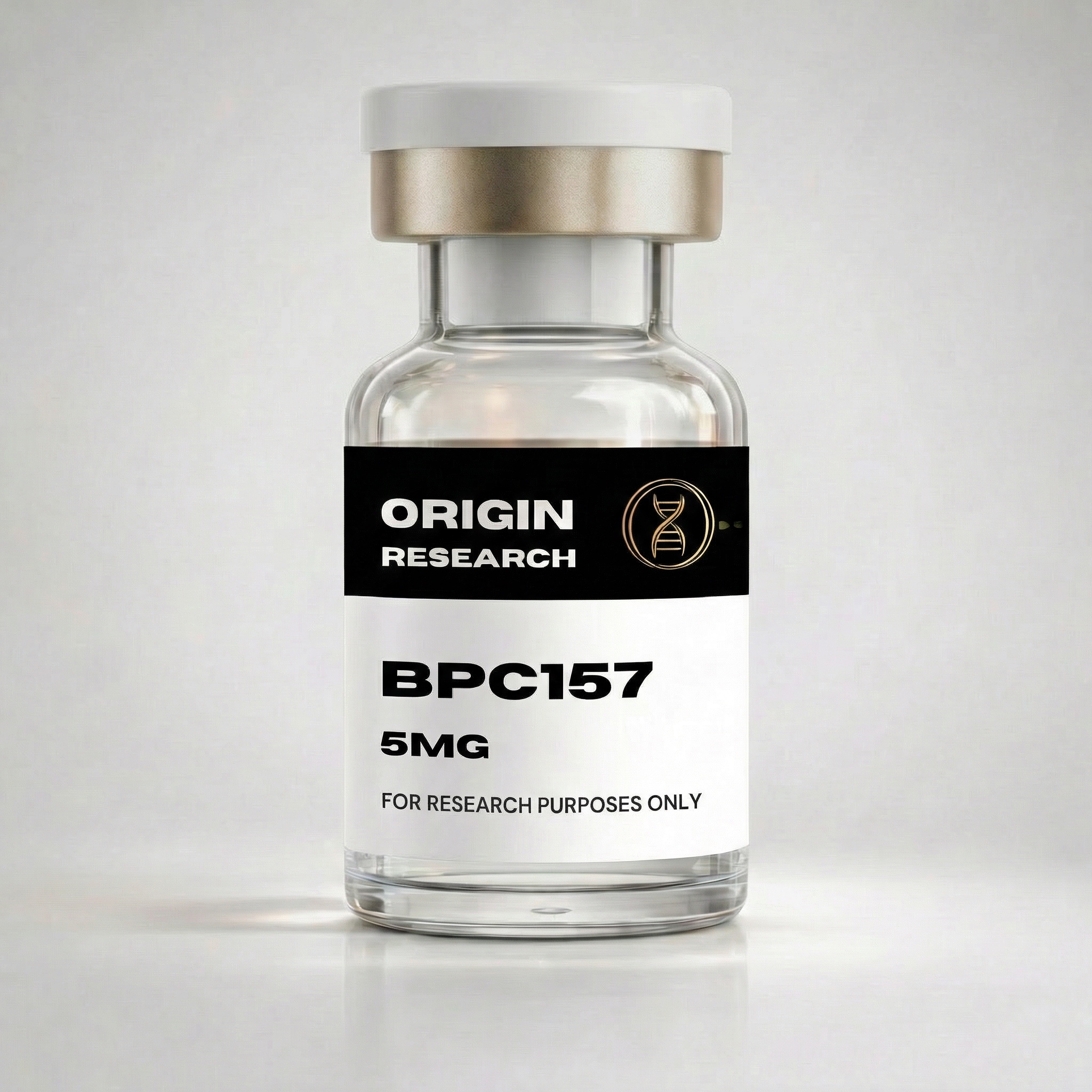
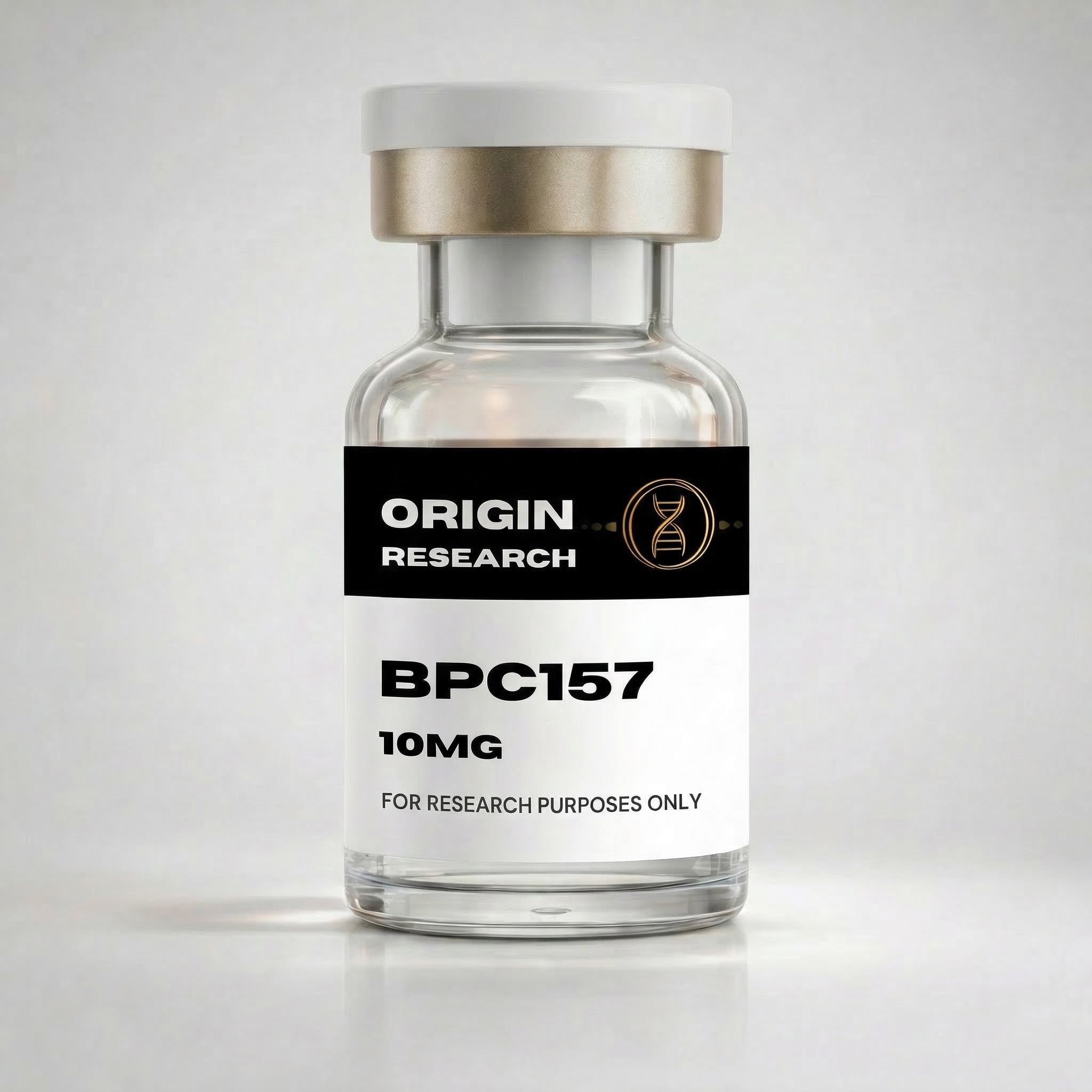
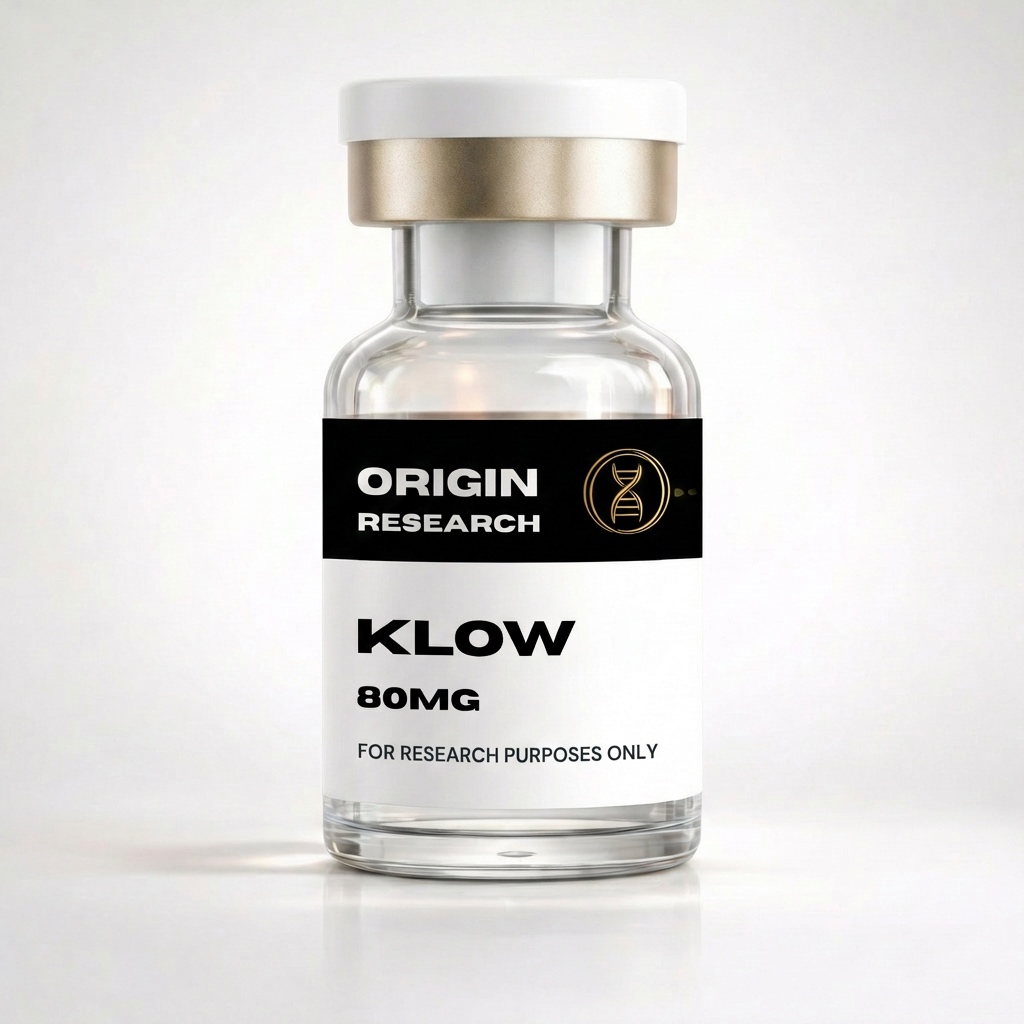
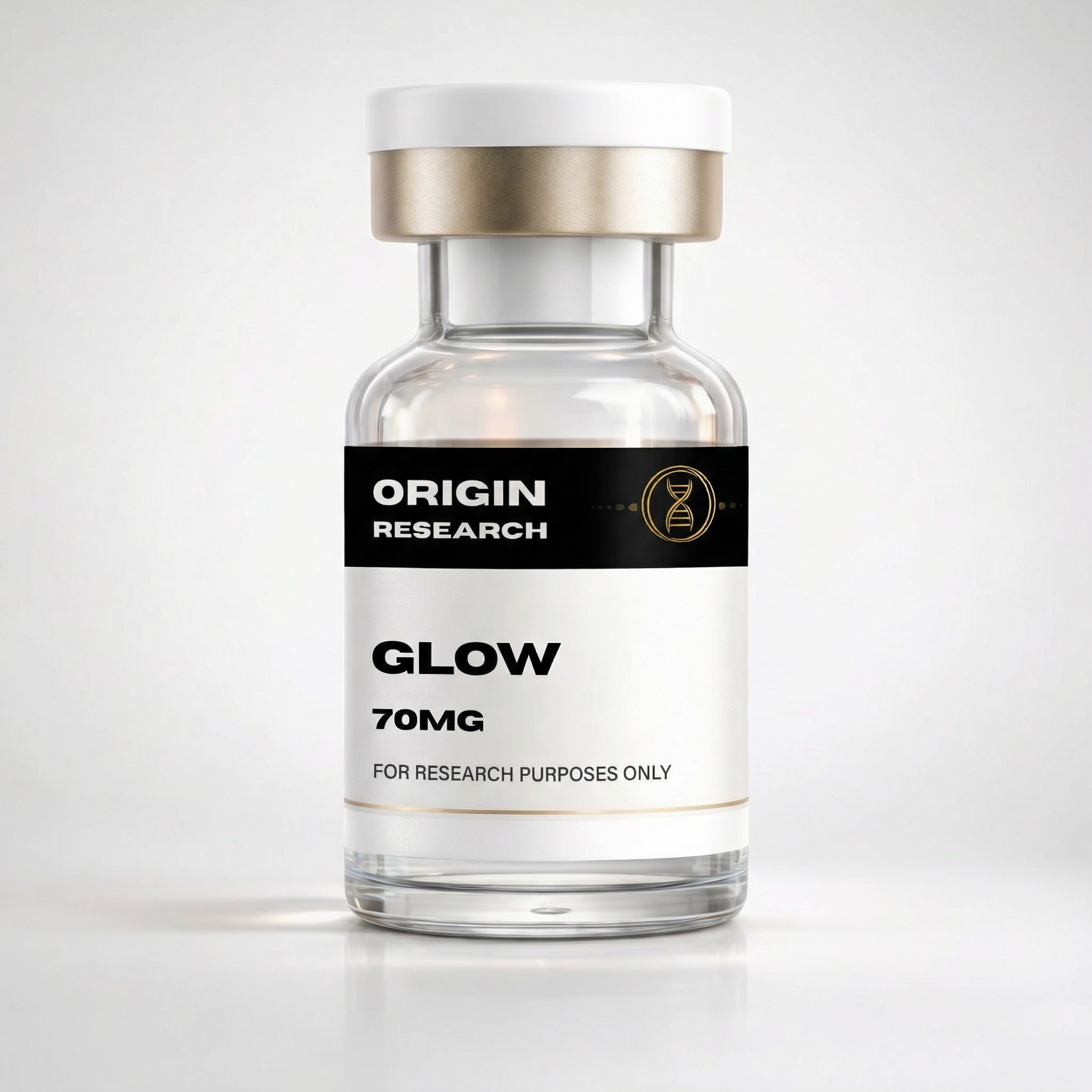
Gut pathway research is a preclinical investigation category focused on gastric and intestinal mucosal biology, gut-brain axis signalling, intestinal barrier integrity, and inflammatory and oxidative stress dynamics across the gastrointestinal tract. Compounds studied in this area are typically evaluated in rodent gastric ulcer models, colitis and inflammatory bowel models including DSS- and TNBS-induced preparations, intestinal epithelial cell cultures such as Caco-2 monolayers, and transepithelial electrical resistance assays for barrier function. Endpoints across published work commonly include ulcer index scoring, myeloperoxidase activity, claudin and occludin tight junction protein expression, IL-6 and TNF-alpha cytokine panels, and histological scoring of mucosal architecture. The compounds most often investigated under this research category in the Origin Research catalog are BPC-157, BPC-157 Capsules, the KLOW Stack, and the GLOW Stack. Each occupies a defined mechanistic position. BPC-157 has been investigated extensively in published rodent gastric ulcer and intestinal injury models since early 1990s work, with mechanisms covering nitric oxide pathway modulation, VEGF and VEGFR2 signalling, and dopaminergic and serotonergic systems in the enteric nervous system. BPC-157 Capsules provide an oral-administration reference format for protocols modelling enteric exposure routes specifically, where the research design depends on gastrointestinal first-pass dynamics. The KLOW Stack and GLOW Stack are combined-reference materials investigated in protocols where complementary mechanistic axes are evaluated together. Research groups worldwide select this stack because it spans gastric, intestinal, and barrier-function endpoints within one bench programme, and all four reference materials ship from Origin Labs global stock with batch COA documentation.
About this research area
Mechanism overlap and selection criteria
Selection between BPC-157, BPC-157 Capsules, the KLOW Stack, and the GLOW Stack in a gut pathway research model depends on the administration route and the specific mechanistic axis under investigation. BPC-157 in injectable reference format has the largest published preclinical literature footprint covering gastric ulcer healing rates, intestinal anastomosis models, colitis severity scoring in DSS- and TNBS-induced rodent preparations, and enteric nervous system endpoints. It is the appropriate selection when the protocol uses parenteral administration or when the research question concerns systemic delivery to the gastrointestinal tract in research models. BPC-157 Capsules are selected when the research design specifically requires oral or enteric administration in research models, where first-pass gastrointestinal exposure is the variable of interest. The published literature on oral BPC-157 administration in rodent models covers stability through the gastrointestinal tract and downstream mucosal effects, with the oral route relevant for protocols modelling chronic enteric exposure. The KLOW Stack is investigated in protocols seeking combined mechanistic readouts spanning healing and barrier function. The GLOW Stack, while primarily a skin biology reference, appears in some published gut-skin axis research where dermal and intestinal endpoints are co-evaluated. Selection criteria across research groups include HPLC purity above 98 percent, mass spectrometry sequence confirmation, and where capsule format is used, dissolution profile and excipient documentation. All compounds are procured with batch-matched COA. None are approved for human therapeutic use in any jurisdiction.
How researchers typically structure protocols
Gut pathway protocols are commonly designed around acute injury windows of 24 to 168 hours for ulcer and colitis induction models, and chronic 2 to 8 week arms for barrier function and microbiota-related endpoints. BPC-157 in published rodent gastric ulcer work has been investigated at low-microgram-per-kilogram intraperitoneal or subcutaneous dosing, with ulcer index scoring, histology, and cytokine panels at 24, 48, 72, and 168 hours. Colitis models using DSS or TNBS typically dose BPC-157 across the induction window, with disease activity index and colon histology as endpoints. BPC-157 Capsules in oral-administration rodent protocols are dosed once or twice daily across the protocol window, with comparable endpoints to the injectable route plus pharmacokinetic and stability readouts. Intestinal epithelial culture work such as Caco-2 monolayer studies uses nanomolar to micromolar concentrations of BPC-157 across 24 to 72 hour windows, with transepithelial electrical resistance and tight junction protein readouts. The KLOW Stack and GLOW Stack are dosed according to their component peptides on protocols matched to the primary endpoint. Reconstitution practice for injectable BPC-157 uses bacteriostatic water for short-term aliquots and sterile saline or PBS for cell culture. Capsules are administered orally to rodent models per published protocols. Single-use aliquots at minus 80 Celsius are standard. Cohort design for gut pathway protocols typically uses age- and sex-matched groups with randomised cage assignment to control for cage-effect variance in microbiota and immune endpoints. All references apply strictly to non-human preclinical research.
Stack pairings and combination research
Combination research in gut pathway studies is structured around pairing healing, barrier-function, and gut-brain axis mechanisms. BPC-157 injectable plus BPC-157 Capsule format appears in protocols comparing parenteral and oral administration routes within the same rodent model, allowing investigators to evaluate route-dependent pharmacokinetics and tissue exposure. The KLOW Stack as supplied in the Origin Research catalog is designed for protocols where combined mechanistic coverage of healing and barrier-function endpoints is the research goal, simplifying dose-matching and reducing variance from independent reconstitution. The GLOW Stack appears in published gut-skin axis work where dermal and intestinal endpoints are co-evaluated, with the rationale being that gut barrier dysfunction is sometimes investigated alongside dermal endpoints in inflammatory model contexts. BPC-157 plus other reference compounds outside this immediate stack, such as Thymosin Alpha-1 from the immune pathway category, has been investigated in protocols seeking combined mucosal-healing and immune-modulation endpoints. The Origin Research catalog supplies each reference and stack as separate vials or combination materials, allowing independent titration of each arm. Combination protocol design should always include vehicle and single-compound control arms with endpoint timing planned around the slower of the pharmacodynamic profiles. All combination references apply strictly to non-human preclinical research.
Global stock and supply considerations
Gut pathway research often uses extended rodent colitis or barrier-function protocols where lot continuity matters for reproducible endpoints. The Origin Research catalog stocks BPC-157, BPC-157 Capsules, the KLOW Stack, and the GLOW Stack in cold storage with batch-matched COA per vial or capsule lot. Worldwide sourcing through Origin Labs reduces cold-chain risk for materials sensitive to transit temperature excursion. Standard delivery varies by region with cold-pack packaging on longer transit lanes. BPC-157 injectable storage follows the lyophilised peptide standard of minus 20 Celsius short-term and minus 80 Celsius long-term archive, with reconstituted aliquots used within published stability windows. BPC-157 Capsules are stored according to capsule format guidelines at room temperature or refrigerated per the documented stability profile. The KLOW Stack and GLOW Stack are stored according to their component standards. Each COA covers HPLC purity, sequence confirmation, and where relevant dissolution and excipient documentation for capsule formats. Lot reservation is available for multi-week colitis and barrier-function cohorts so that the full study arm is dosed from one batch. All compounds are sold strictly for in-vitro and preclinical research and are not approved for human or veterinary therapeutic application in any jurisdiction. More information is available at originlabsresearch.com.