Supplier evaluation is the procurement discipline that decides whether a research peptide buyer can rely on the material they receive to be what it claims to be. The research peptide market is large, fragmented, and operates largely outside the regulatory frameworks that govern pharmaceutical manufacturing. That means the burden of supplier evaluation falls almost entirely on the buyer, and the quality of that evaluation directly determines the quality of the downstream research.
Suppliers vary widely:
- In analytical rigour
- In documentation discipline
- In packaging standards
- In willingness to engage substantively with buyer questions
A buyer who knows what to look for can quickly tell suppliers operating at a research-grade standard from suppliers operating at a marketing-grade standard, and reserve their procurement spend for the former.
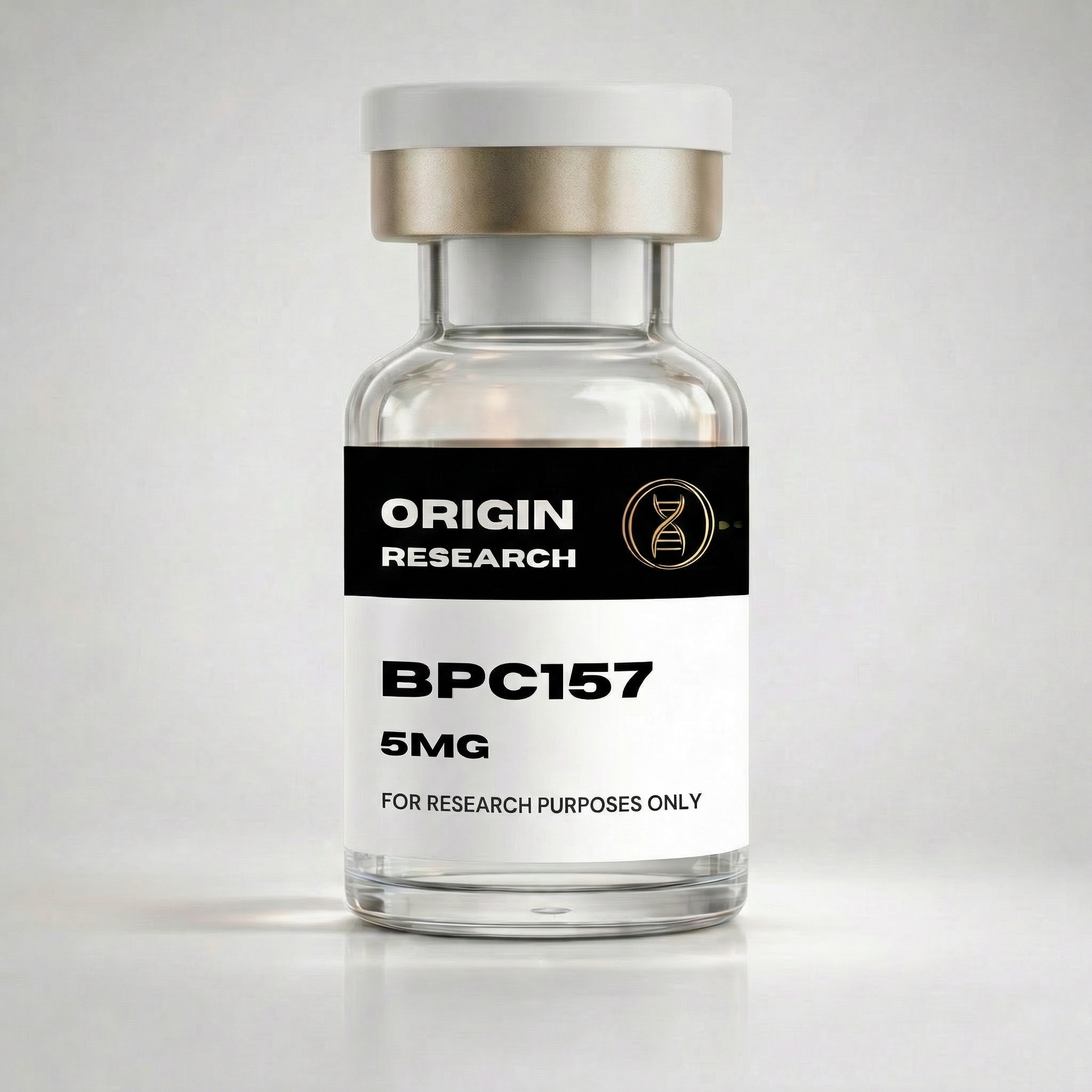
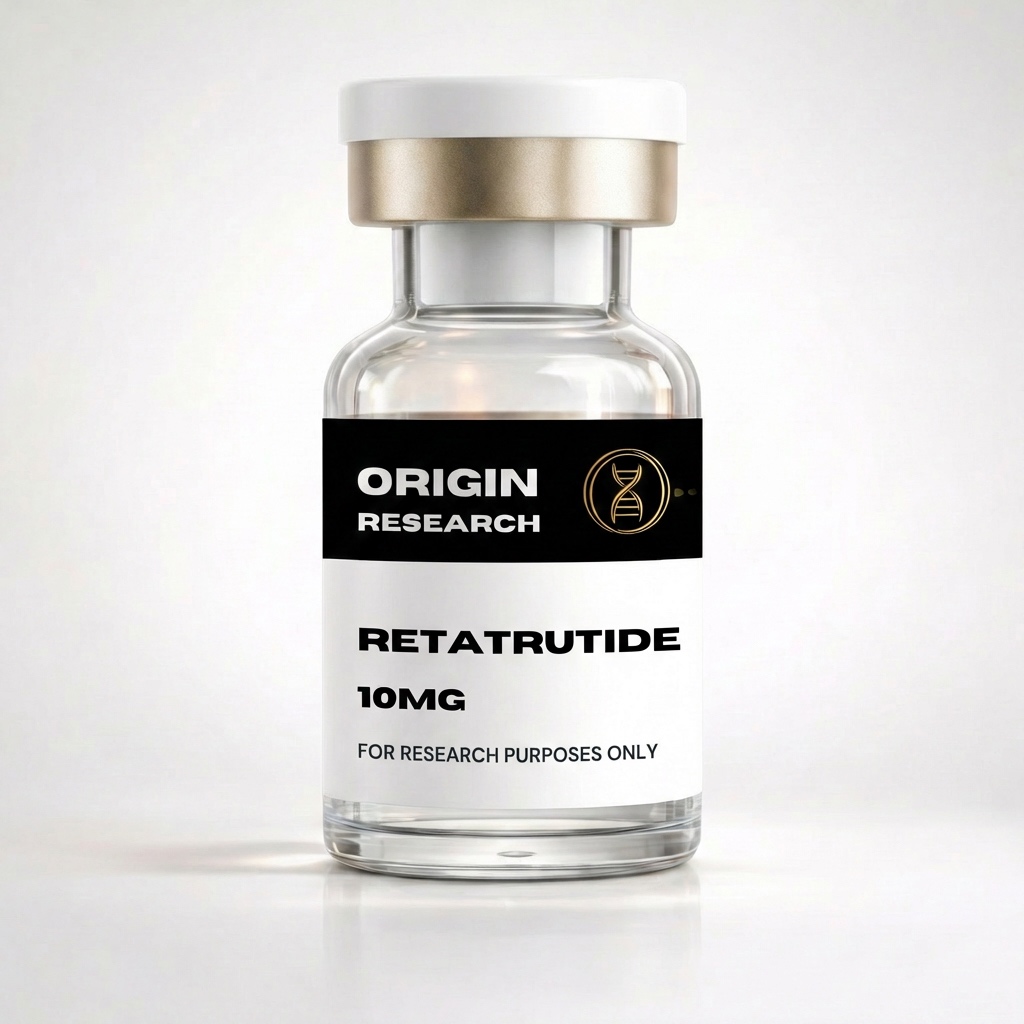
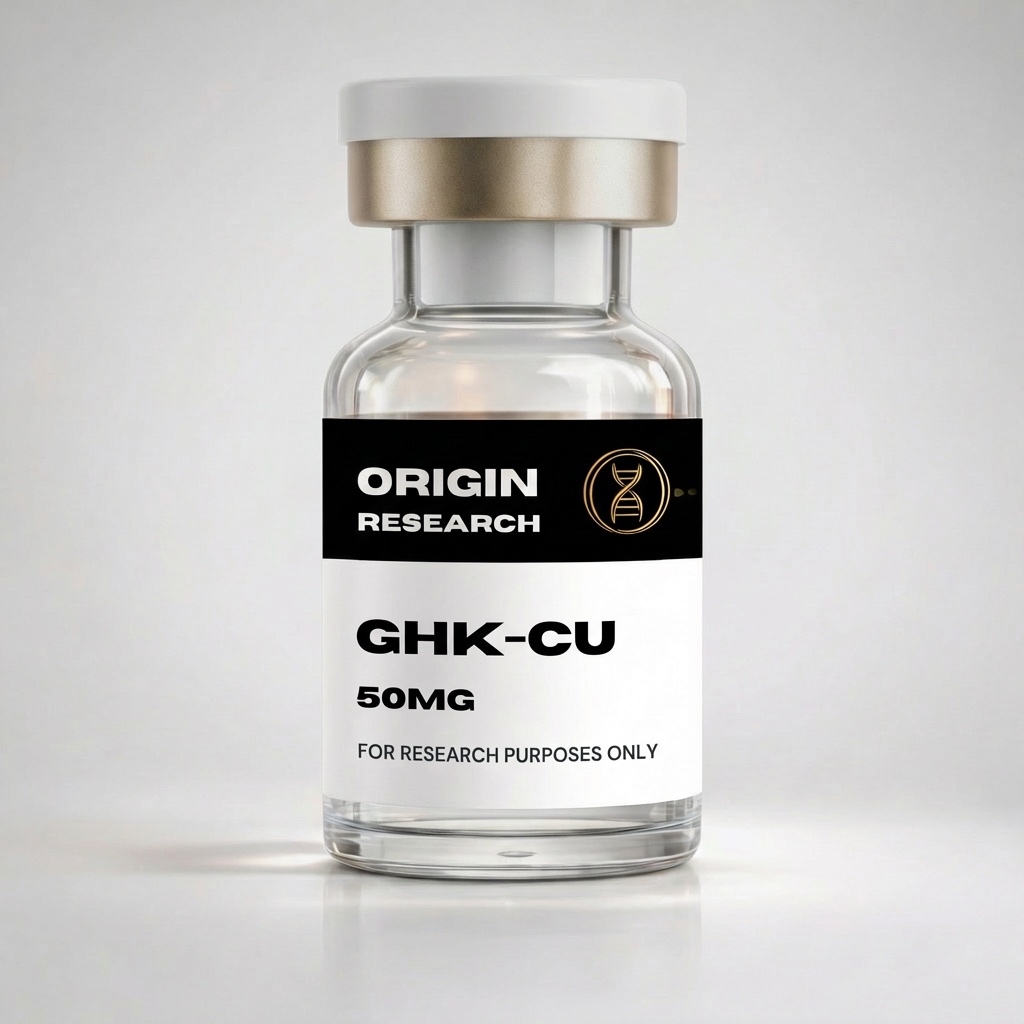
This guide covers the most reliable red flags experienced research buyers use to screen candidate suppliers. The frame is procurement and supplier evaluation. The audience is the buyer placing the order, the laboratory manager approving the supplier, and the institutional reviewer evaluating the supply-chain integrity of a proposed research program. The examples reference standard practice in the research-grade segment, including the documentation Origin Research ships with every order of BPC-157, Retatrutide, GHK-Cu, and the rest of the catalog.
The pattern across every red flag: when the buyer asks a substantive question, a research-grade supplier answers it. A marketing-grade supplier deflects.
Red flag 1: generic or unlinked certificates of analysis
The most reliable red flag in supplier evaluation is the publication of generic certificates of analysis that are not keyed to specific lot numbers.
A legitimate COA:
- Reports analytical results from testing on a specific lot of material
- Carries the lot number on the face of the document
- Includes underlying chromatographic and spectrometric detail that supports the reported numbers
- Carries a test date and an analyst signature or authorisation
A generic COA, by contrast:
- May show a chromatogram and a purity number
- Has no lot number
- Has no test date
- Has no analyst signature
- Provides no way for the buyer to verify the document corresponds to the material in hand
Generic COAs are a marketing artefact, not an analytical record. They give the appearance of rigour without supplying the documentary basis that would allow rigour to be audited.
The corrective practice for the buyer:
- Before any order, verify the supplier publishes lot-keyed COAs with complete analytical detail.
- Confirm the buyer can obtain the COA for any specific vial by referencing the lot number on the vial label.
- Treat suppliers who deflect, who claim COAs are available only after purchase, or who provide marketing-style summary documents instead of analytical records as having an analytical posture that does not meet research-grade standards.
Origin Research publishes lot-keyed COAs with full chromatograms, mass spectra, and analyst attribution for every catalog item. The COA for the buyer's BPC-157 lot is the COA for that specific lot, not a generic catalog placeholder.
Red flag 2: packaging quality on receipt
The second red flag is the condition of the shipment on arrival. Research-grade peptides ship in tamper-evident vials with intact rubber septa, secure aluminium crimp seals, and printed labels including the compound name, lot number, fill mass, and manufacturer or distributor identification.
Watch for:
- Loose seals
- Missing or smudged labels
- Handwritten lot numbers
- Visible physical damage to the vial
- Lyophilised cake that has melted, slumped, or shows obvious discoloration or particulates
- Moisture infiltration inside the vial
The lyophilised cake should be intact, uniform in colour, and free of visible particulates. A cake that has melted or slumped suggests temperature excursion during transit or a defective lyophilisation, and the vial should not be reconstituted without supplier consultation.
For the outer shipping packaging:
- Cold packs should still be cold (or at least not warm) on arrival for temperature-sensitive material.
- Any included temperature indicators should be inspected on receipt.
- Shipments with melted cold packs, broken seals, or evident temperature compromise should be photographed and reported to the supplier before any vial is committed to a protocol.
The supplier's response pattern is itself informative. Suppliers that:
- Respond constructively to packaging concerns
- Replace compromised shipments without dispute
- Document corrective actions to prevent recurrence
are operating at a research-grade standard. Suppliers that deflect packaging concerns or try to shift responsibility entirely to the carrier without engaging with the underlying quality issue are signalling a customer-service posture that will not support research buyers over the longer term.
Red flag 3: implausible purity claims and missing supporting data
The third red flag is analytical claims that the underlying data does not support.
Research-grade peptide synthesis routinely produces material in the 95 to 99 percent purity range after HPLC purification. Some sequences and some manufacturers achieve higher. Shorter or more complex sequences sometimes produce material at the lower end of that range. That distribution is normal.
Suppliers that claim uniform 99 percent purity across their entire catalog (especially for difficult sequences like long or hydrophobic peptides such as Retatrutide) are making claims that strain against the analytical reality of solid-phase peptide synthesis.
The corrective check:
- Ask for the HPLC chromatogram and the mass spectrum supporting the purity claim.
- A genuine 99 percent purity result is supported by a chromatogram showing a single dominant peak, with minor impurity peaks integrated to the reported total.
- A genuine identity confirmation is supported by a mass spectrum showing the expected molecular ion with no significant unexplained mass features.
- If the supplier cannot produce this supporting data on request, the supplier is making purity claims they cannot defend.
The related red flag is the absence of mass spectrometry confirmation entirely, with the COA reporting only HPLC purity. Mass spectrometry confirms the identity of the peptide. HPLC alone confirms only the homogeneity of the material. A COA without mass spectrometry leaves the identity of the peptide unverified, which is a serious gap for research purposes.
The buyer should expect both HPLC purity and mass spectrometry confirmation on every research-grade COA. Anything less is incomplete.
Red flag 4: opaque sourcing and evasive technical answers
The fourth red flag is the supplier's posture in technical conversation. Research-grade suppliers employ technical staff who can answer substantive questions about:
- Synthesis routes
- Purification methods
- Analytical procedures
- Stability data
- Handling recommendations
Marketing-grade suppliers respond to technical questions with generic answers, vague references to industry standards, or attempts to convert technical questions into sales conversations without supplying the information requested.
A practical test: send the candidate supplier a small set of substantive technical questions before placing a first order. Examples:
- What synthesis house produces your catalog, or is synthesis in-house?
- What is the typical HPLC method used for purity analysis?
- What is the published stability profile for GHK-Cu under refrigeration after reconstitution?
- What is the policy if a buyer requests an independent third-party reanalysis of a vial?
Suppliers who answer these clearly, in writing, with references to their analytical methods and stability data are signalling research-grade operation. Suppliers who:
- Avoid the questions
- Provide answers that contradict themselves across exchanges
- Refuse to engage in technical conversation entirely
are signalling a posture that should disqualify them from any research program where data integrity matters.
The opacity itself is the red flag, regardless of how the supplier frames it.
Red flag 5: pricing significantly below market
The fifth red flag is pricing that sits significantly below the prevailing market range for comparable material.
Research-grade peptide production carries real costs at every step:
- Synthesis
- HPLC purification
- Analytical characterisation
- Lyophilisation
- Vial filling
- Cold-chain logistics
A finished vial reflects the sum of those costs plus a reasonable margin. Suppliers offering vials at prices significantly below the market range are necessarily cutting costs somewhere in that chain. The most common cost reductions are in:
- Analytical characterisation (less rigorous testing)
- Purification rigour (lower actual purity)
- Quality documentation (thinner COAs, less traceability)
The implication: buyers paying below-market prices are very likely receiving material with lower purity, less complete analytical verification, and weaker documentation than buyers paying market prices.
For research programs where data integrity depends on material identity and purity, this is a false economy:
- The replacement cost of a ruined experiment exceeds the per-vial savings.
- The institutional consequences of unreliable data exceed the per-vial savings.
- The reputational cost of unreproducible results exceeds the per-vial savings.
The corrective practice:
- Establish a sense of the prevailing market price for the peptides of interest by comparing several research-grade suppliers.
- Identify the typical price range.
- Treat outliers significantly below that range with the same scepticism the buyer would apply to any other implausibly low offer.
The mental check: if the price is too good to be true, the cost is being shifted somewhere the buyer cannot see. Usually it is being shifted into the lab six weeks later, when the data does not make sense.
A pre-order supplier evaluation checklist
Pulling the red flags into a single checklist the buyer can run through before placing a first order with a new supplier. Every "no" on this list is a soft signal. Two or three together is a structural problem worth pausing on.
Documentation
- [ ] Are COAs published openly, without requiring a sales conversation?
- [ ] Are the COAs keyed to specific lot numbers?
- [ ] Do the COAs include HPLC chromatograms with retention times and integration?
- [ ] Do the COAs include mass spectrometry confirmation with observed and theoretical molecular weight?
- [ ] Do the COAs carry a test date and an analyst signature or authorisation?
- [ ] Is there a lot-lookup mechanism that lets the buyer retrieve a COA after receipt?
Material claims
- [ ] Are purity claims consistent with the analytical reality of solid-phase peptide synthesis (typically 95 to 99 percent for research-grade)?
- [ ] Is mass spectrometry confirmation included on every COA, not just HPLC?
- [ ] Are per-item diluent and storage recommendations published?
- [ ] Are stability data and post-reconstitution working life specified per peptide?
Operational
- [ ] Does the supplier disclose the synthesis house, or operate synthesis in-house?
- [ ] Are technical questions answered substantively in writing?
- [ ] What is the policy on independent third-party reanalysis of a lot?
- [ ] What is the policy on replacement of compromised shipments?
- [ ] Does the supplier ship with appropriate cold-chain packaging and indicators?
Commercial
- [ ] Is pricing within the prevailing research-grade market range, neither dramatically above nor below?
- [ ] Is the supplier's identity stable (consistent business name, consistent ownership signals, multi-year operating history)?
Reputational
- [ ] Are there verifiable references from research groups that have used the material?
- [ ] Is technical staff identifiable, with backgrounds in peptide chemistry?
- [ ] Is there engagement with the research community beyond sales-facing marketing?
A practical rule: if more than two boxes in the documentation section are unchecked, the supplier is not operating at a research-grade documentation standard, regardless of how good the website looks or how attractive the pricing is. Origin Research is structured to allow every box on this checklist to be confirmed by the buyer before any order is placed.
Red flag 6: thin or absent track record
The sixth red flag is the absence of a meaningful track record in research communities.
Suppliers with established research-grade operations typically have a presence across multiple channels that let buyers assess reputation:
- Published references from research groups that have used their material
- Technical staff with identifiable backgrounds in peptide chemistry
- A documented history of consistent operation over multiple years
- Engagement with the research community through technical content, conference presence, or substantive customer support
Suppliers that:
- Appear suddenly
- Operate under names that change frequently
- Lack any verifiable history
- Offer no reputational anchor beyond their own marketing claims
are higher-risk procurement targets.
That does not mean newer suppliers cannot be legitimate. It means the buyer evaluating a newer supplier needs to compensate for the absence of a track record with more thorough analytical due diligence on the front end.
The corrective practice:
- Weight the evaluation toward verifiable analytical and documentation evidence when reputational evidence is thin.
- Start with small test orders that let the buyer assess actual material quality before committing to larger procurement.
- Watch for consistency across orders, lot-to-lot stability of analytical results, and constructive engagement on any issues that come up.
Suppliers that:
- Respond constructively to small test orders
- Deliver material consistent with their published documentation
- Build a track record of consistent quality over multiple orders
earn the right to larger procurement commitments. Suppliers that show inconsistency across orders, change documentation practices without explanation, or show analytical drift between lots have not earned that commitment regardless of their other claims.
The cumulative pattern: any one red flag might be excusable in isolation. Two or three together are a structural signal about how the supplier operates. The buyer's job is to notice the pattern before placing a large order, not after.
References
- [1] Begley CG, Ellis LM (2012). Raise standards for preclinical cancer research. Nature, 483(7391), 531-533.
- [2] Freedman LP, Cockburn IM, Simcoe TS (2015). The economics of reproducibility in preclinical research. PLOS Biology, 13(6), e1002165.
- [3] International Council for Harmonisation (2003). ICH Q1A(R2) Stability Testing of New Drug Substances and Products. ICH Harmonised Tripartite Guideline.
- [4] United States Pharmacopeial Convention (2020). USP General Chapter 1058: Analytical Instrument Qualification. United States Pharmacopeia.
- [5] Vlieghe P, Lisowski V, Martinez J, Khrestchatisky M (2010). Synthetic therapeutic peptides: science and market. Drug Discovery Today, 15(1-2), 40-56.
Frequently asked questions
What is the single most reliable red flag in research peptide supplier evaluation?
Publication of generic certificates of analysis that are not keyed to specific lot numbers. A legitimate COA carries the lot number and supporting analytical detail. A generic COA functions as marketing rather than as an analytical record.
What packaging conditions should prompt immediate supplier follow-up?
Loose seals, missing or smudged labels, handwritten lot numbers, visible physical damage, melted lyophilised cake, or melted cold packs in the shipping packaging. Photograph and document before any vial is committed to a protocol.
Why is mass spectrometry confirmation required on a research-grade COA?
Mass spectrometry confirms the identity of the peptide. HPLC alone confirms only the homogeneity of the material. A COA without mass spectrometry leaves the identity of the peptide unverified, which is a serious documentation gap.
How should a buyer test the technical posture of a candidate supplier?
Submit a small set of substantive technical questions on synthesis route, analytical methods, stability data, and reanalysis policy. Research-grade suppliers answer clearly in writing. Suppliers that deflect or evade are signalling a posture that disqualifies them from research procurement.
What does significantly below-market pricing typically indicate?
Cost reductions in analytical characterisation, purification rigour, or quality documentation. Below-market peptide procurement is generally a false economy when measured against the cost of ruined experiments or unreproducible data.
How should a buyer evaluate a newer supplier without an established track record?
Weight the evaluation toward verifiable analytical and documentation evidence, start with small test orders, and build commitment over multiple consistent orders. Reputational track record accumulates from delivered performance, not from marketing claims.
What documentation should a research-grade supplier publish for every catalog item?
Lot-keyed certificates of analysis including HPLC chromatogram and integration, mass spectrometry confirmation of molecular weight, water content where applicable, counterion content, test date, and analyst attribution. Per-item diluent and storage guidance should accompany the COA.