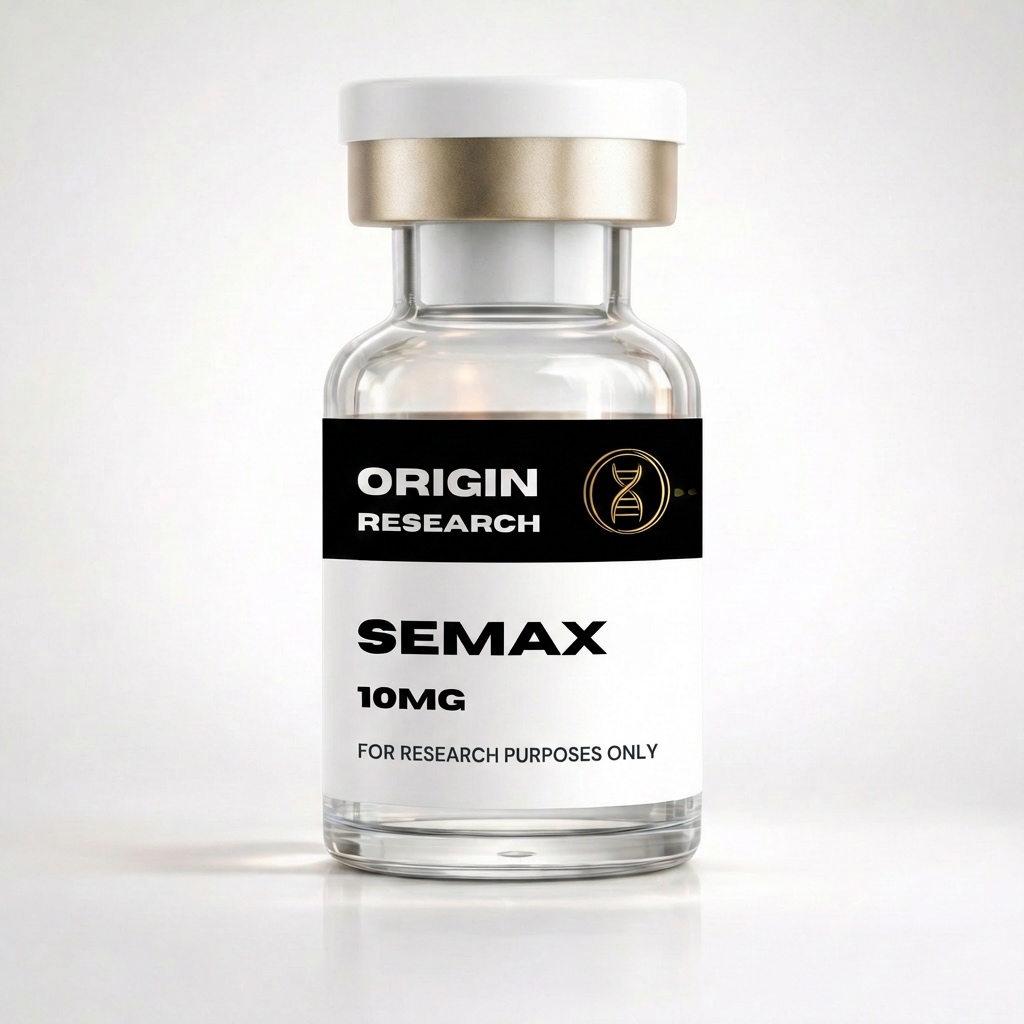
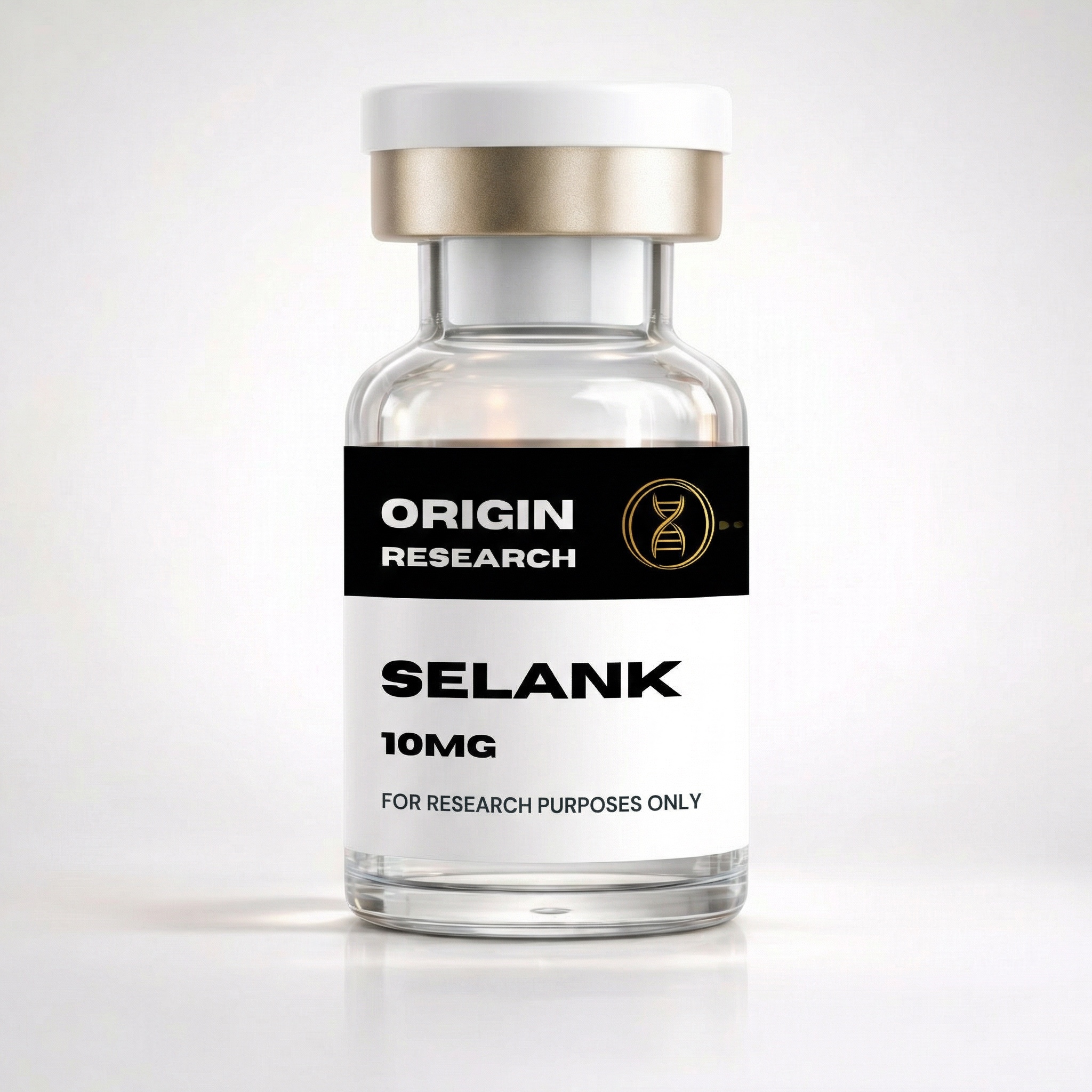
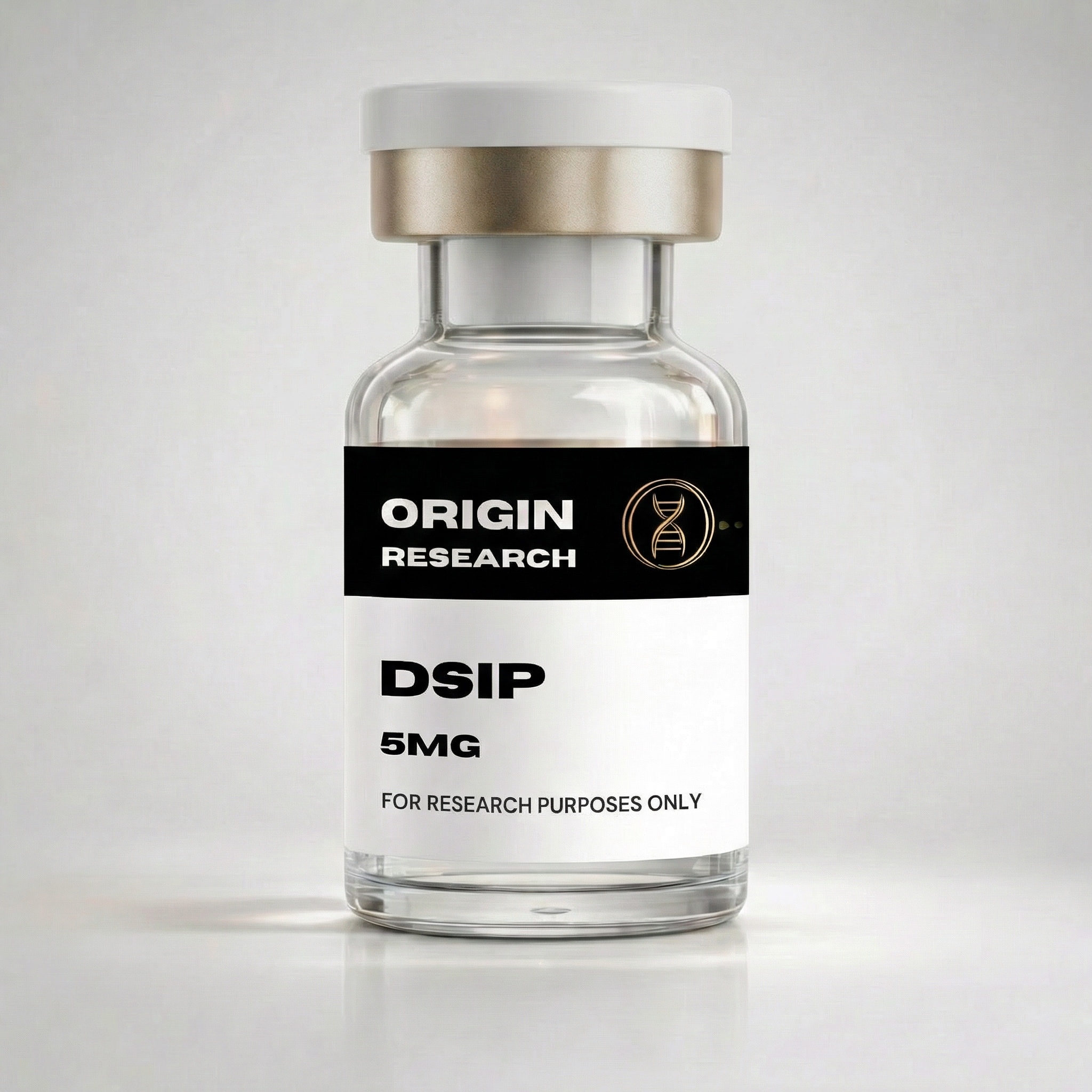
Three short synthetic peptides. Different origins. Different proposed pathways. All three came out of Russian academic and pharmaceutical research institutes starting in the 1980s.
Here are the three.
- SEMAX is a heptapeptide derived from the ACTH (adrenocorticotropic hormone) 4-10 fragment
- Selank is a heptapeptide derived from tuftsin, an immunomodulator sequence, with an added stabilising C-terminal extension
- DSIP (delta sleep-inducing peptide) is a nonapeptide originally isolated in the 1970s from cerebral venous blood of rabbits subjected to electrical thalamic stimulation
What unites them is their classification as so-called regulatory peptides: short sequences derived from bioactive fragments of larger endogenous proteins, often with stabilising modifications.
The English-language research literature on these compounds has expanded substantially in recent years, complementing the substantial Russian-language base.
This article walks through chemistry, mechanism, pathway biology, and comparative research literature. Third-person research framing, laboratory contexts only.
Structural chemistry and origins
Each compound has a distinct backbone story.
SEMAX
Synthetic heptapeptide: Met-Glu-His-Phe-Pro-Gly-Pro
Developed at the Institute of Molecular Genetics of the Russian Academy of Sciences in the late 1980s.
- First four residues (Met-Glu-His-Phe) correspond to positions four through seven of native ACTH 4-10
- Earlier neuropeptide research had characterised that fragment as containing the behaviourally active core of ACTH independent of its corticotropic activity
- The C-terminal Pro-Gly-Pro tripeptide is a stabilising extension that resists aminopeptidase and carboxypeptidase cleavage
Selank
Synthetic heptapeptide: Thr-Lys-Pro-Arg-Pro-Gly-Pro
Derived from tuftsin (Thr-Lys-Pro-Arg), the natural immunomodulatory tetrapeptide. Same Pro-Gly-Pro stabilising motif appended.
Tuftsin itself corresponds to residues 289 to 292 of the heavy chain of human immunoglobulin G. Published immunology research has characterised it as a phagocytosis-stimulating peptide.
The Pro-Gly-Pro motif is the unifying design element shared between SEMAX and Selank. Same stability strategy, different bioactive head.
DSIP
Nonapeptide: Trp-Ala-Gly-Gly-Asp-Ala-Ser-Gly-Glu
Isolated and sequenced in the 1970s by Schoenenberger and colleagues from cerebral venous blood of rabbits during induced sleep states.
Unlike SEMAX and Selank, DSIP is not derived from a longer parent protein. It appears to be a discrete endogenous peptide whose biosynthetic origin remains incompletely characterised.
Structural notes
- Multiple glycine residues
- Unusual N-terminal tryptophan
- Largely unstructured conformation in dilute aqueous solution (NMR and CD studies)
Why these are easy to synthesise
All three are short, linear, and use natural amino acids. Standard Fmoc solid-phase peptide synthesis handles them well. The Pro-Gly-Pro motif of SEMAX and Selank does not present particular synthetic challenges.
Receptor interactions and binding studies
Receptor pharmacology here is less tidy than for compound families like the melanocortins or GLP-1 agonists. None of these three has a single well-defined high-affinity receptor target. That is a recognised feature of the regulatory peptide class.
SEMAX
SEMAX does not engage classical neurotransmitter receptors at conventional affinities. Published research has instead focused on:
- Modulation of brain-derived neurotrophic factor (BDNF) and nerve growth factor (NGF) systems
- Effects on monoaminergic transmission in rodent brain regions
In-vivo microdialysis
Published microdialysis studies in rodents have characterised SEMAX administration as modulating extracellular dopamine and serotonin concentrations.
- Effects vary by brain region
- Effects vary over time
- Regions examined include prefrontal cortex, striatum, and hippocampus
Published research has also examined SEMAX effects on the endogenous opioid system, including enkephalin and dynorphin pathway markers in rodent brain regions.
Selank
Selank has been characterised as modulating the GABAergic system. Effects on gene expression of GABA-A receptor subunits have been reported in published transcriptomic studies in rodent brain regions.
The peptide does not bind GABA-A receptors directly at physiological concentrations. The downstream effects on the system come through pathways that remain under active investigation.
DSIP
DSIP has been examined in numerous binding studies against a wide panel of central nervous system receptors and ion channels. Most published reports characterise it as lacking high-affinity binding to classical neurotransmitter receptors.
Downstream effects in research models appear to be mediated through indirect modulation of neuroendocrine pathways and possibly through interactions with sleep-regulatory circuitry that remain incompletely characterised.
Neurochemistry and pathway biology
Pathway biology is where this category gets interesting. The integrated effects on multiple systems are part of what defines the regulatory peptide concept.
SEMAX pathway biology
Published transcriptomic studies in rodent brain tissue following SEMAX administration have characterised altered expression of:
- BDNF
- TrkB receptor
- Downstream signalling components
The temporal and regional profile has been examined in published time-course studies. Downstream consequences for synaptic plasticity (including long-term potentiation in hippocampal preparations) have been examined in published electrophysiological research.
Neurotrophin signalling chain
- BDNF or NGF binds the cognate TrkB or TrkA receptor tyrosine kinase
- Phospholipase C-gamma activates
- Ras-mitogen-activated protein kinase cascade activates
- Phosphoinositide 3-kinase pathway activates
These pathways participate in neuronal survival, dendritic spine formation, and the molecular machinery of synaptic plasticity.
Selank pathway biology
Selank pathway research has examined three areas.
- GABAergic gene expression
- Neurotrophin systems
- Cytokine and immune signalling pathways relevant to its tuftsin-derived backbone
Published transcriptomic and biochemical studies in rodent models have characterised altered expression of GABA receptor subunits and of neuroinflammatory cytokines following Selank administration.
Behavioural integration
Molecular endpoints have been integrated with rodent behavioural assays of anxiety-like behaviour, including:
- Elevated plus maze
- Open field test
DSIP pathway biology
Least well characterised of the three. Published research has examined effects on:
- Sleep architecture in rodent electroencephalographic studies
- Hypothalamic-pituitary axis function
- Stress-response pathways involving corticotropin and stress-related cytokines
- Potential interactions with the endogenous opioid system
The relationship between the original characterisation of DSIP through EEG effects and the broader pathway biology in subsequent research has been a subject of published discussion regarding methodological considerations in early peptide isolation work.
Behavioural and cognitive research domains
The published preclinical literature on these peptides has used a battery of standard behavioural assays.
SEMAX research assays
Published studies have used:
- Morris water maze
- Eight-arm radial maze
- Conditioned avoidance paradigms
Effects have been interpreted in the context of the neurotrophin and monoamine pathway modulation characterised above.
Cerebral ischaemia models
Published research has also examined SEMAX effects in rodent models of cerebral ischaemia, with endpoints including:
- Infarct volume
- Neurological deficit scores
- Pathway-relevant gene expression
High-throughput characterisation
Transcriptomic and proteomic characterisation of brain tissue from SEMAX-treated research animals has been extended through high-throughput sequencing and mass spectrometric proteomics. Characterised changes in expression of genes and proteins involved in:
- Neurotrophin signalling
- Synaptic plasticity pathways
- Stress-response and survival pathway biology
Selank research assays
Rodent anxiety assays used in published research:
- Elevated plus maze
- Light-dark box
- Open field test
Reported effects on exploratory behaviour and approach-avoidance conflict measures.
Published research has also examined Selank in models of stress-induced behavioural changes and in transcriptomic studies of hippocampal and amygdalar tissue following acute and chronic administration.
DSIP research assays
Published rodent electroencephalographic studies of sleep architecture. Stress-response paradigms. Cardiovascular regulation research.
The compound's name reflects its original identification through effects on delta-frequency electroencephalographic activity in early published research.
Inter-laboratory variation in behavioural endpoints remains a recognised consideration in the published preclinical literature on these and related research peptide compounds.
The interaction between peptide administration timing, behavioural testing schedule, and circadian rhythm has been examined in published methodological research as a parameter that influences reproducibility.
Intranasal delivery and pharmacokinetic research
A distinctive feature of the published research on SEMAX and Selank is the extensive use of intranasal administration in preclinical studies.
Why intranasal?
The Pro-Gly-Pro stabilising motif shared by both compounds was specifically designed to confer the metabolic stability required for delivery via mucosal surfaces in research models.
What intranasal delivery achieves
Published pharmacokinetic research in rodents has characterised intranasal delivery as producing detectable peptide and metabolite concentrations in:
- Cerebrospinal fluid
- Brain tissue
Kinetic profiles have been examined in published time-course studies.
Proposed nose-to-brain mechanisms
Three hypothesised pathways characterised in the published literature.
- Olfactory nerve transport
- Trigeminal nerve pathway transport
- Direct paracellular transport across olfactory and respiratory epithelium
Relative contributions and efficiency of central delivery have been examined using labelled peptide preparations and quantitative imaging.
DSIP delivery
DSIP has been examined less extensively via intranasal delivery. The predominant administration route in earlier published studies was intravenous or intraperitoneal. The pharmacokinetic profile in research animals shows rapid clearance and limited central nervous system penetration following peripheral administration.
Parameters affecting nose-to-brain efficiency
Published methodological research has examined:
- Volume of the administered dose
- Position of the research animal during administration
- Residence time on the nasal mucosa
Published pharmacokinetic research using radiolabelled or fluorescently labelled peptide preparations has characterised the temporal and spatial distribution of intranasally delivered peptides, with characterised concentrations in olfactory bulb, prefrontal cortex, hippocampus, and other brain regions.
Comparative literature and procurement considerations
Direct comparative research on the three compounds is less extensive than for families with shared receptor targets. Some published research has examined SEMAX and Selank in parallel in behavioural and biochemical studies.
What the comparison shows
- Overlapping but distinguishable profiles in rodent assays
- Shared Pro-Gly-Pro C-terminal motif provides similar pharmacokinetic stability
- DSIP, with its distinct backbone, is not commonly compared alongside SEMAX or Selank
Analytical characterisation
Research-grade reference material for all three compounds requires standard analytical work.
- Reversed-phase HPLC with ultraviolet detection for purity
- Electrospray mass spectrometry for intact-mass confirmation
- Amino acid analysis where required
- Karl Fischer water content determination
- Endotoxin testing
- Counter-ion quantification
Why analytical work is simpler here
Relatively simple linear structures simplify analytical characterisation compared to lipidated or cyclic compounds.
But careful documentation still matters for:
- Synthesis route
- Protective group strategy
- Racemisation at key residues
Storage considerations
Published peptide stability literature has examined storage condition optimisation for short polar peptides, with attention to:
- Temperature
- Lyophilisate moisture content
- Protection from light
Reconstitution protocols described in published research typically specify aqueous or aqueous-saline vehicles. pH and ionic strength affect stability during research-use storage.
Documentation of all analytical results on batch-specific certificates of analysis supports reproducible laboratory characterisation across research groups.
Field context and Russian research tradition
These compounds did not come out of nowhere. They came out of a specific research tradition.
The institutional history
SEMAX and Selank emerged from a body of work at:
- Institute of Molecular Genetics, Russian Academy of Sciences
- Lomonosov Moscow State University
Key researchers include Ivan P. Ashmarin and Nikolai Myasoedov.
The design philosophy
The research tradition emphasised:
- Short synthetic peptides based on bioactive fragments of larger endogenous proteins
- Stabilising modifications (especially the Pro-Gly-Pro C-terminal extension)
- Integrated effects on multiple neurochemical and neuroendocrine pathways
This contrasts with the single-receptor-target framework predominant in much Western pharmaceutical research. The regulatory peptide concept assumes a peptide can act through multiple, often interlinked, pathway intersections.
Publication trajectory
Much of the work was published initially in Russian-language journals. Subsequent translation and primary publication in English-language journals has expanded international engagement.
DSIP context
DSIP, while not originating in the Russian research tradition, has been examined extensively in both Russian and Western published research on:
- Sleep physiology
- Stress pathway biology
- Neuroendocrine regulation
The compound has been the subject of conflicting published research findings regarding its receptor pharmacology and downstream pathway biology. This reflects the methodological and conceptual challenges of characterising peptides whose action does not conform to a simple high-affinity receptor binding model.
Where the field is going
Subsequent published research has continued to examine these compounds using contemporary techniques:
- Expanded preclinical research contexts
- Transcriptomic and proteomic profiling
- Advanced behavioural assays
- Integrated pathway analysis
The regulatory peptide framework continues to inform published research on this and related compound classes.
References
- [1] Ashmarin IP, Nezavibatko VN, Levitskaya NG, et al. (1995). Design and investigation of an ACTH(4-10) analog lacking D-amino acids and hydrophobic radicals. Neuroscience Research Communications.
- [2] Kost NV, Sokolov OY, Kurasova OB, et al. (2001). Effect of selank on emotional and stress-induced behavior in rats. Bulletin of Experimental Biology and Medicine. PMID 11733522
- [3] Schoenenberger GA, Monnier M (1977). Characterization of a delta-electroencephalogram (sleep)-inducing peptide. Proceedings of the National Academy of Sciences. PMID 267929
- [4] Shadrina M, Kolomin T, Agapova T, et al. (2010). Comparison of the temporary dynamics of NGF and BDNF gene expression in rat hippocampus, frontal cortex, and retina under Semax action. Journal of Molecular Neuroscience. PMID 20012511
- [5] Inozemtseva LS, Karpenko EA, Dolotov OV, et al. (2008). Intranasal administration of the peptide Semax affects c-Fos protein levels in the rat brain. Doklady Biological Sciences. PMID 18949450
- [6] Kolomin T, Shadrina M, Slominsky P, Limborska S, Myasoedov N (2013). A new generation of drugs: synthetic peptides based on natural regulatory peptides. Neuroscience and Medicine.
Frequently asked questions
What is the structural relationship between SEMAX and the ACTH molecule?
SEMAX is a heptapeptide whose first four residues (Met-Glu-His-Phe) correspond to positions four through seven of the native adrenocorticotropic hormone (ACTH) molecule. The C-terminal Pro-Gly-Pro tripeptide is a synthetic stabilising extension characterised in published peptide pharmacokinetics literature as conferring resistance to peptidase cleavage in research models.
What is the parent sequence from which Selank was derived?
Selank is derived from tuftsin, the natural tetrapeptide Thr-Lys-Pro-Arg corresponding to residues 289 to 292 of the heavy chain of human immunoglobulin G. The Pro-Gly-Pro stabilising tripeptide is appended to the C-terminus, mirroring the structural strategy used for SEMAX. Tuftsin itself has been characterised in published immunology research as a phagocytosis-stimulating peptide.
How was DSIP originally isolated and characterised in published research?
Delta sleep-inducing peptide was isolated and sequenced in the 1970s by Schoenenberger and colleagues from cerebral venous blood of rabbits during electrically induced thalamic sleep states. It is a nonapeptide with the sequence Trp-Ala-Gly-Gly-Asp-Ala-Ser-Gly-Glu, characterised in published research through its association with delta-frequency electroencephalographic activity in early animal studies.
Why is intranasal administration a common research route for SEMAX and Selank?
The Pro-Gly-Pro stabilising C-terminal motif shared by both peptides was designed to confer the metabolic stability required for mucosal delivery in research models. Published pharmacokinetic research has characterised intranasal administration in rodents as producing detectable peptide and metabolite concentrations in cerebrospinal fluid and brain tissue, with proposed delivery pathways including olfactory and trigeminal nerve transport.
What neurotransmitter system has been characterised as a downstream target of Selank in published preclinical research?
Published transcriptomic studies in rodent brain tissue have characterised Selank administration as altering expression of GABA-A receptor subunits, indicating downstream effects on the GABAergic system. The peptide does not bind GABA-A receptors directly at physiological concentrations but appears to modulate the system through pathways that remain under active investigation in published preclinical literature.
What rodent behavioural assays have been used to characterise SEMAX in published research?
Published preclinical research has characterised SEMAX using the Morris water maze, the eight-arm radial maze, conditioned avoidance paradigms, and standard tests of motor and attention function in rodent models. Effects have been interpreted in the context of the neurotrophin and monoamine pathway modulation observed in published biochemical and electrophysiological studies.