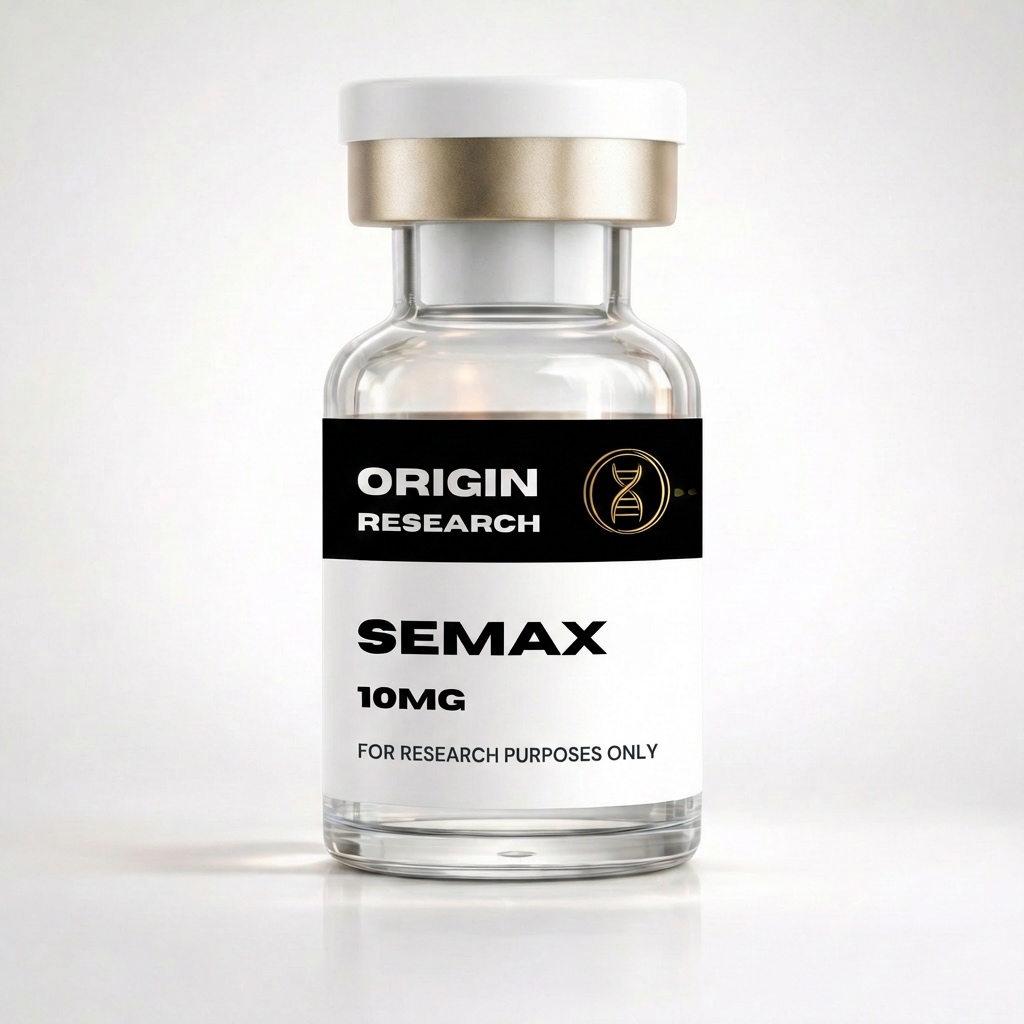
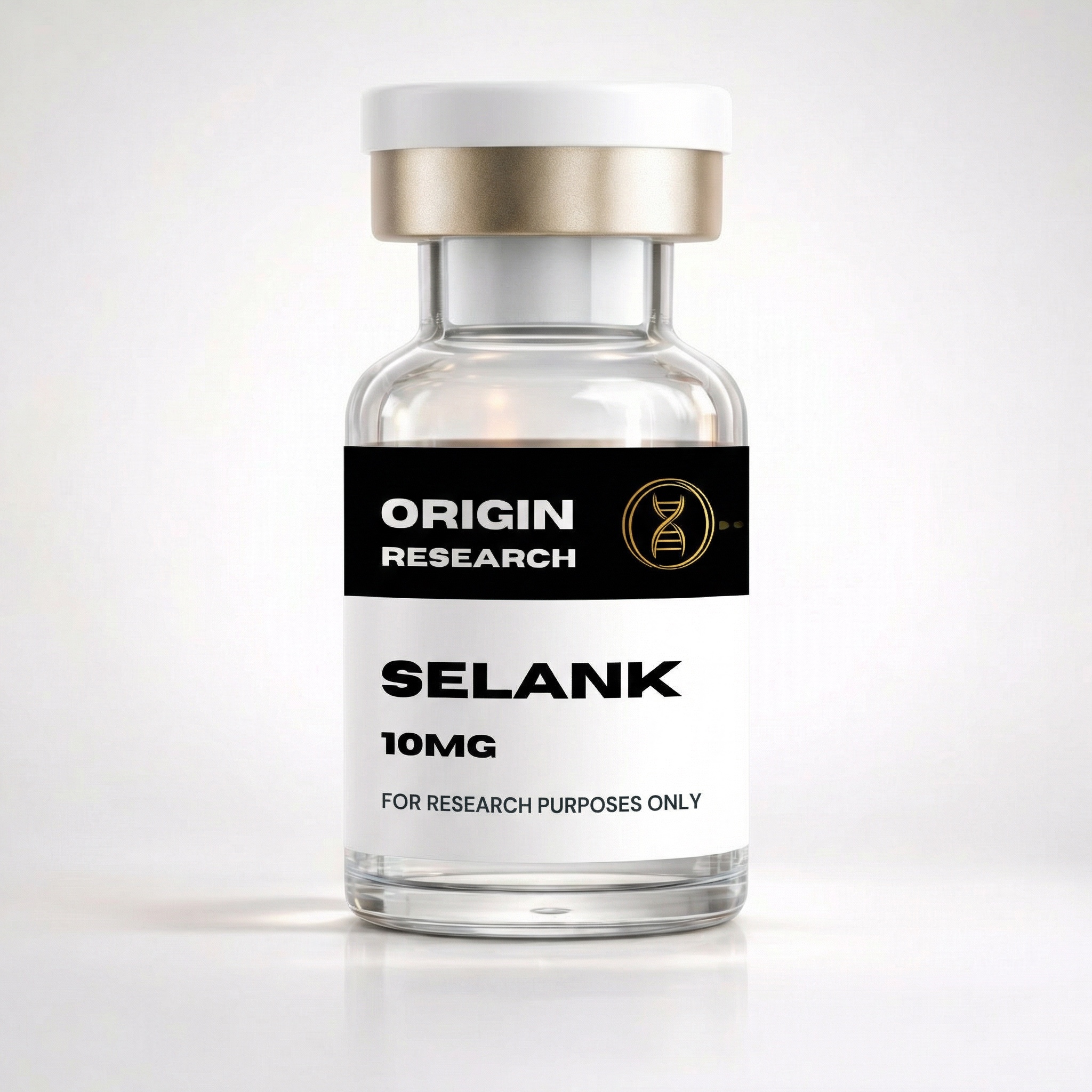
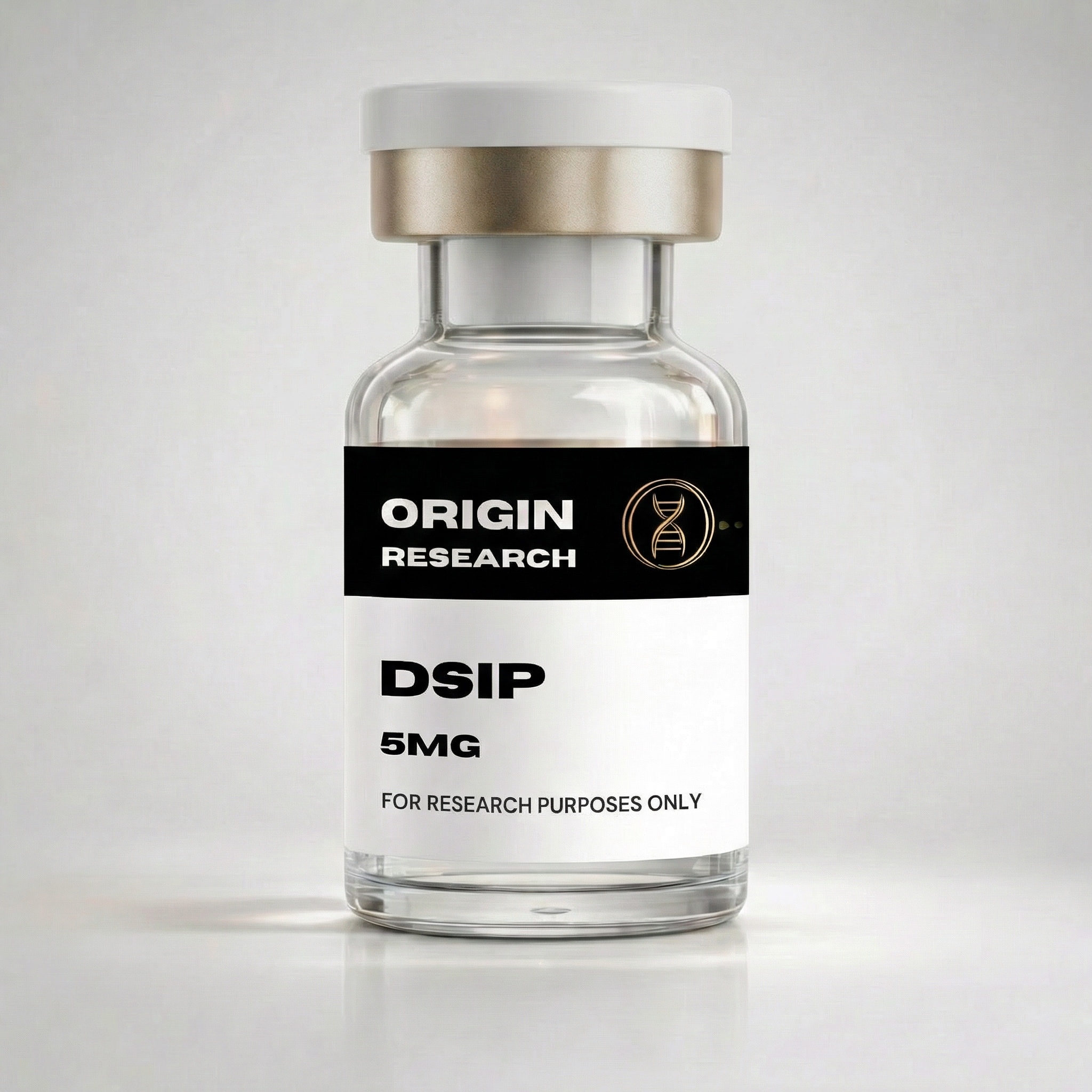
Nootropic peptide research has been quietly productive over the last few years. Compounds like SEMAX and Selank keep showing up in preclinical neuroscience papers focused on neurotrophic signaling, neurotransmitter system modulation, and neuroprotection in stroke and neurodegeneration animal models. DSIP and related sleep-related peptides have their own active investigative thread.
This article summarizes what recent preclinical work has added on these compounds. The focus is mechanism, study design, and methodological considerations. Everything below stays within preclinical neuroscience research contexts.
Quick setup. SEMAX is a synthetic heptapeptide derived from ACTH(4-10) with a Pro-Gly-Pro tail for stability. Selank is a synthetic heptapeptide analog of tuftsin, the endogenous immunomodulator tetrapeptide. The structural relationships shape what each compound does in research models.
SEMAX: Neurotrophic Signaling and BDNF Research
SEMAX research has consistently characterized upregulation of brain-derived neurotrophic factor (BDNF) and nerve growth factor (NGF) in rodent brain tissue following peripheral administration in preclinical models. Downstream effects show up in tropomyosin receptor kinase (Trk) signaling and synaptic plasticity markers.
What transcriptomic and proteomic studies have shown
Recent investigative literature has used transcriptomic and proteomic approaches to map gene expression changes in hippocampal and cortical tissue from SEMAX-treated animal models. The hits include:
- Upregulated neurotrophic factor genes
- Immediate early genes including c-Fos and Arc
- Synaptic plasticity-related transcripts across multiple pathways
Molecular detail in cultured neurons
Mechanistic studies in cultured neuronal preparations have characterized SEMAX effects on:
- TrkB phosphorylation
- PI3K/Akt pathway activation
- ERK pathway activation
The in vitro work provides the molecular detail behind the BDNF-upregulation phenotype observed in vivo.
Stroke and ischemia research
SEMAX has also been investigated in stroke and ischemia research models. Preclinical studies have examined its influence on:
- Infarct volume after middle cerebral artery occlusion (MCAO) in rodents
- Neurological deficit scoring using modified neurological severity scores
- Biomarkers of neuronal survival in penumbra regions
Blood-brain barrier penetration
SEMAX appears to penetrate the blood-brain barrier in rodent models following intranasal or parenteral administration. Bioavailability and brain distribution studies have characterized pharmacokinetic parameters relevant to dose-response interpretation.
Standard study design. Parallel measurement of BDNF protein in brain regions of interest, behavioral readouts in cognition-related assays such as Morris water maze and novel object recognition, and electrophysiological measures of synaptic plasticity such as long-term potentiation (LTP) give a comprehensive characterization framework.
Selank: Anxiolytic Pathways and Neurotransmitter System Studies
Selank research has focused on anxiolytic and attention-related phenotypes in rodent behavioral models. Mechanistic investigations probe serotonergic, GABAergic, and noradrenergic system modulation.
What Selank affects in rodent brain
- Tryptophan hydroxylase expression in raphe nuclei research preparations
- Serotonin turnover in cortical and hippocampal tissue
- GABA-A receptor binding dynamics in animal model studies
- Enkephalin metabolism through enkephalinase inhibition (suggesting endogenous opioid system interaction)
Standard anxiolytic behavioral assays
Behavioral characterization in Selank research has used:
- Elevated plus maze
- Open field test
- Light-dark box paradigm
The literature compares Selank profiles to benzodiazepine comparators while noting potential differences in mechanism of action.
Attention research
Cognitive assays have examined attention-related phenotypes using the five-choice serial reaction time task in rodent models, characterizing attentional performance under standard and high cognitive load conditions.
Immune readouts (the tuftsin lineage)
Recent work has also examined Selank effects on inflammatory markers and immune cell populations. This builds on the compound's structural relationship to tuftsin, which has well-characterized immunomodulatory activity.
Pharmacokinetic note. Selank has a relatively short plasma half-life in rodent pharmacokinetic studies. Dosing schedule and route of administration deserve careful attention when designing chronic-exposure studies.
Neuroprotection in Stroke and Neurodegeneration Models
Nootropic peptide research has extended into neuroprotection studies using established preclinical models.
Stroke model readouts
For SEMAX in MCAO stroke models, standard readouts include:
- TTC-stained infarct volume measurement
- Neurological deficit scoring using modified neurological severity scores
- Neuronal survival markers like NeuN by immunohistochemistry
- Apoptosis markers including cleaved caspase-3 in infarct penumbra
Recent research has also characterized inflammatory readouts in stroke preparations:
- Microglial activation markers
- Astrocyte reactivity
- Proinflammatory cytokine expression in brain tissue
Neurodegeneration models
Transgenic Alzheimer's disease mouse lines including APP/PS1, 3xTg-AD, and 5xFAD have been used to investigate nootropic peptide effects on:
- Amyloid pathology
- Tau phosphorylation
- Neuroinflammation
- Cognitive performance over extended dosing intervals
DSIP and sleep-related peptide research
DSIP (delta sleep-inducing peptide) sits in a related corner of the literature. While DSIP research has different historical roots than SEMAX or Selank, recent preclinical work has continued examining its influence on EEG sleep architecture in instrumented rodent models, with characterization of slow-wave and REM dynamics.
The mechanistic biomarker push
Recent literature emphasizes mechanistic biomarkers alongside behavioral readouts:
- Hippocampal BDNF protein content
- Synaptic density via electron microscopy or synaptic marker immunostaining
- Electrophysiological measures of synaptic function in acute hippocampal slice preparations
For neuroprotection studies. Multimodal readout integration combined with appropriate vehicle and positive control conditions gives the most interpretable characterization of compound activity in preclinical neurodegeneration research.
Methodological Considerations for Cognition Research
Cognition research with peptide compounds in animal models requires careful methodological design to produce interpretable results.
Blood-brain barrier penetration
Many peptides show limited CNS bioavailability following peripheral administration in rodent models. The choices:
- Select compounds with characterized brain distribution profiles
- Use bioavailability-enhancing routes like intranasal administration
- Use direct CNS administration (intracerebroventricular infusion) for central mechanism probing
Behavioral assay selection
Match the assay to the cognitive domain:
- Morris water maze - spatial memory (hippocampus-dependent)
- Contextual fear conditioning - contextual memory (hippocampus-dependent)
- Novel object recognition - recognition memory
- Five-choice serial reaction time task - sustained attention
Reproducibility considerations
Recent investigative literature has emphasized reproducibility:
- Pre-registered analysis plans
- Appropriate sample sizes calculated from prior effect size estimates
- Rigorous blinding of experimenters during testing and scoring
PK-PD modeling is increasingly applied
Pharmacokinetic-pharmacodynamic modeling is increasingly applied in nootropic peptide research to relate exposure profiles to behavioral and biomarker readouts. The modeling provides mechanistic grounding for dose-response interpretation.
Time-course design
Some nootropic compounds produce acute behavioral effects within hours of administration. Others require chronic dosing for measurable phenotypes. Studies should capture the temporal dynamics relevant to the specific research question.
Vehicle control selection
Vehicle selection deserves more attention than it typically gets in preclinical nootropic peptide research. Peptide compounds like SEMAX and Selank reconstitute in aqueous buffers with no co-solvent issues, but the dosing volume, pH, and tonicity of the vehicle can independently affect behavioral readouts in stress-sensitive animal models. Sham injection groups with identical handling and volume controls are the minimum standard, and within-subject crossover designs add another layer of rigor when the study question permits them.
Sex as a biological variable
More recent preclinical neuroscience guidance has emphasized inclusion of both sexes in animal model studies. Nootropic peptide research has not historically been rigorous about this, and many older SEMAX and Selank papers used only male rodents. Modern study designs include both sexes with appropriate statistical handling, which can reveal sex-specific behavioral or neurochemical phenotypes that would otherwise be missed.
Sleep architecture as a complementary endpoint
For studies probing the broader cognition-sleep axis, sleep-active peptides like DSIP can serve as comparators or as parallel research tools in EEG-instrumented rodent preparations. The relationship between sleep architecture and cognitive performance in animal models is a productive area, and integrating sleep readouts (REM duration, slow-wave intensity, sleep fragmentation) with cognitive assays gives a more complete characterization than behavioral testing alone.
The integration principle. Behavioral plus neurochemical plus electrophysiological plus molecular readouts, with both sexes included and vehicle controls matched. Modern nootropic peptide research uses that multimodal stack as the standard, not the optional add-on.
References
- [1] (). . . PMID 18019019
- [2] (). . . PMID 16500626
- [3] (). . . PMID 14969418
- [4] (). . .
- [5] (). . . PMID 19023980
Frequently asked questions
What is the structural basis of SEMAX?
SEMAX is a synthetic heptapeptide derived from the ACTH 4-10 fragment with a C-terminal Pro-Gly-Pro extension that provides stability against enzymatic degradation. The compound has been characterized in preclinical research for influence on BDNF, NGF, and downstream Trk signaling in neuronal preparations.
How does Selank relate structurally to tuftsin?
Selank is a synthetic heptapeptide analog of tuftsin, a tetrapeptide endogenous immunomodulator. It has an N-terminal Thr-Lys-Pro-Arg sequence extended by a stabilizing Pro-Gly-Pro tail. This structural relationship informs its characterized profile in both anxiolytic-related and immune-modulation research models.
What standard behavioral assays are used in nootropic peptide research?
Common assays include Morris water maze for spatial memory, novel object recognition for recognition memory, contextual fear conditioning for hippocampus-dependent memory, elevated plus maze and open field for anxiolytic phenotypes, and five-choice serial reaction time task for sustained attention research.
How is BDNF measured in SEMAX preclinical research?
BDNF protein content is typically measured by ELISA in dissected brain regions including hippocampus and cortex, with parallel mRNA measurement by qPCR. Downstream TrkB phosphorylation is assessed by Western blot, and synaptic plasticity is measured electrophysiologically through LTP recordings in acute slice preparations.
What stroke models are used in nootropic peptide neuroprotection research?
The middle cerebral artery occlusion (MCAO) model in rodents is the most widely used stroke preparation. Readouts include TTC-stained infarct volume, neurological deficit scoring, and histological and molecular markers of neuronal survival and inflammation in the infarct and penumbra regions.
Why is blood-brain barrier penetration important in peptide nootropic research?
Many peptides have limited CNS bioavailability following peripheral administration in rodent models. Investigators should select compounds with characterized brain distribution profiles, use bioavailability-enhancing routes such as intranasal administration where appropriate, or use direct CNS administration when probing central mechanisms.