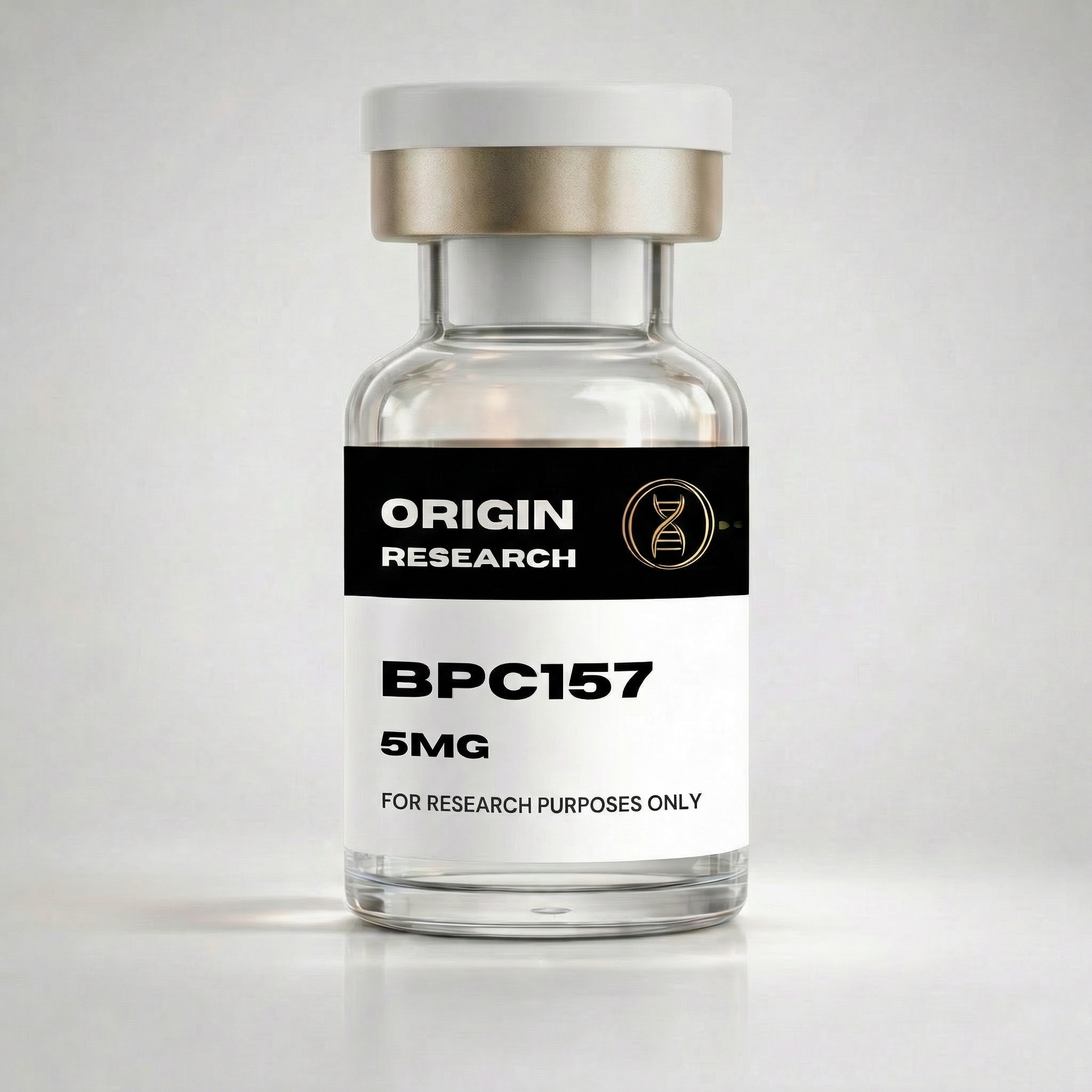
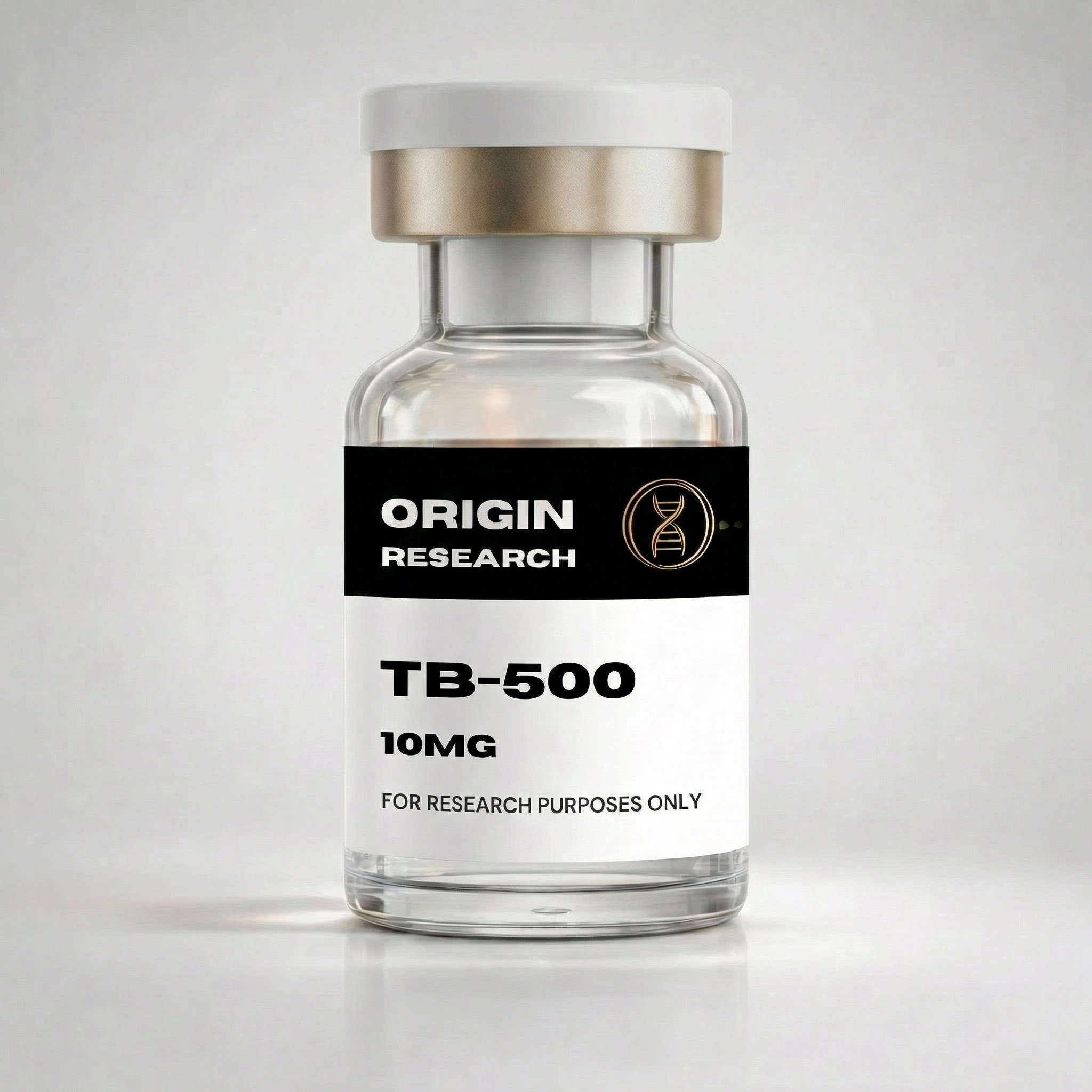
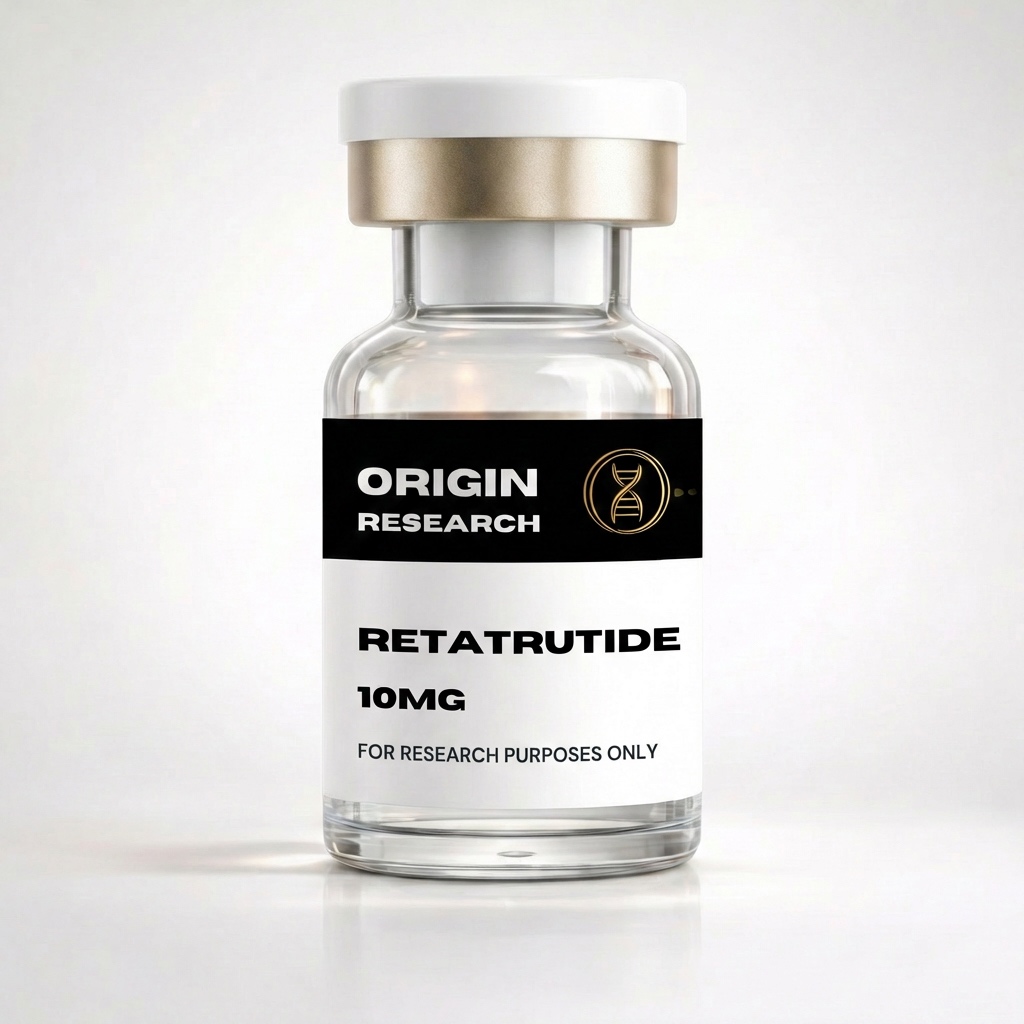
Buying research peptides is not like buying a regulated medicine. There is no agency that pre-approves the vial in front of you. The only thing standing between the buyer and a mislabelled, low-purity, or counterfeit product is the supplier's documentation and the buyer's willingness to read it. That sounds bleak, but it is actually good news. The skills needed to evaluate a research peptide supplier are not exotic. They are the same procurement habits that university labs, contract research organisations, and industrial QC teams have used for decades. This guide turns those habits into a practical checklist you can apply before placing an order. We will walk through six pillars: the certificate of analysis, batch traceability, independent testing, manufacturing transparency, shipping and cold chain, and the red flags that mean a supplier should be rejected outright. None of this is about how to use the compounds. It is entirely about how to verify that what arrives in the vial matches what is on the label. The audience is the research buyer, the QC analyst, and the laboratory procurement officer who has to defend a purchase decision to a principal investigator or to a finance team.
Why this matters: in an unregulated market, the supplier's paperwork is your only line of defence. Learning to read it well is the single highest-leverage skill in research procurement.
The certificate of analysis: your single most important document
A certificate of analysis, or COA, is the analytical document the supplier issues for a specific batch of a specific compound. Think of it as the lab report that says "we tested this batch, here is what we found." The quality of that document is the single best signal of whether the supplier knows what they are doing.
What a real COA contains
A proper COA includes all of the following fields. If any are missing, the document is incomplete.
- Compound identity stated by full chemical name, common name, and peptide sequence where applicable
- Batch number unique to the specific production lot, traceable in the supplier's internal records
- Manufacture date and either a retest or expiration date
- Analytical methods listed by name (typically HPLC for purity, mass spectrometry for identity)
- Numerical results reported with units and against stated acceptance criteria
- Analyst signature, date of analysis, and laboratory location
- Actual chromatogram and mass spectrum images, not just a summary purity figure
The chromatogram test
A COA that shows only a final purity figure ("99.2%") with no underlying trace is not evidence. It is a claim. The chromatogram is the picture that proves the number. Pharmacopoeial guidance on supplier qualification has said this for years. A COA without raw analytical data is unverifiable.
Quick check on receipt: match the batch number printed on the vial to the batch number on the COA. They should be identical. If they are not, something is wrong with the paperwork chain, and that is reason enough to stop and ask questions before opening anything.
If you are sourcing high-traffic research compounds like BPC-157, TB-500, or Retatrutide, expect to see complete, batch-specific COAs every time. There is no shortage of suppliers issuing proper documentation for these compounds, so accept nothing less.
Batch traceability and where the material actually came from
Batch traceability means a finished vial can be traced backward through every step of production to the raw materials used. In regulated pharmaceutical manufacturing this is mandatory. In the research peptide market it is not legally required, but the good suppliers follow the same practices because traceability is the only way a quality problem can be investigated.
What proper traceability looks like
- A unique batch number issued per production lot
- That batch number referenced on the COA
- That same batch number printed on the vial label
- A reference sample of each batch retained by the supplier for future re-testing
- Manufacturing location disclosed on request (synthesis site, fill site, QC site)
Questions worth asking before you order
- Where was the peptide synthesised?
- Where was lyophilisation performed?
- Where was vialing and final QC performed?
- Do you retain a reference sample from every batch?
- Which synthesis method was used (solid-phase synthesis or recombinant expression)?
These facilities may all be the same or all different, and either is fine. What matters is the supplier's willingness to tell you. A supplier who refuses to name a manufacturing location, or who waves at "Asia" or "Europe" without specifics, is signalling that traceability is not part of how they operate.
Why this matters: if a vial fails purity testing after receipt, the batch number is what lets the buyer and supplier figure out whether other vials from the same lot are affected. Without traceability, every problem is a guessing game.
Independent third-party testing: the verification that actually counts
An internal COA is the supplier's own statement about the batch. An independent third-party COA is a statement from a laboratory with no commercial relationship to the supplier. Those two pieces of evidence are not equivalent. Pharmacopoeial guidance treats independent verification as categorically stronger than self-verification, especially for first-time orders from a new supplier or for high-value batches.
Two ways reputable suppliers handle this
- They commission third-party testing themselves and publish the resulting reports alongside their internal COAs
- They make raw batch material available so the buyer can commission their own independent test
Both are acceptable. Neither is acceptable is a supplier who refuses to disclose the testing laboratory's contact information or who cannot produce any third-party documentation at all.
How to verify a third-party report is real
Forged third-party reports using fake letterheads are a documented fraud pattern in this market. The defence is direct verification:
- Find the testing laboratory's website independently (not through the supplier)
- Use the contact details from the laboratory's own site
- Email or call to confirm the report identifier and the result
This takes ten minutes and catches one of the most common frauds in the sector.
Methods matter as much as numbers
HPLC purity at a single wavelength tells you something. HPLC plus mass spectrometry tells you much more. HPLC separates compounds by their behaviour on the column. Mass spectrometry confirms the dominant peak is actually the intended molecule, not a near-identical impurity with similar retention time. Combining methods that probe different properties of the molecule is the analytical gold standard.
Shipping, cold chain, and the integrity of the package on arrival
Lyophilised peptides (the dried, powdery form) are reasonably stable at room temperature for short periods. They are not stable forever, and they degrade faster at elevated temperatures. Reputable suppliers ship under cold-chain conditions: insulated packaging, refrigerant such as gel packs or dry ice, and shipping routes chosen to keep transit time short.
Questions to ask before ordering
- What is the typical transit time to your destination?
- What refrigerant is used (gel packs, dry ice)?
- Is a temperature indicator strip or data logger included?
- What is the replacement policy if a shipment arrives warm or damaged?
What to inspect when the box arrives
- Outer carton for crushing, punctures, or moisture damage
- Insulation for integrity and proper fit
- Refrigerant for whether it is still cold or frozen as expected
- Temperature indicator if one is included
- Vials for cracks, broken crimp seals, or label damage
- Lyophilised cake inside each vial for proper compact appearance
Warning sign: a vial that arrives with a melted, liquefied, or visibly shrunken cake has been exposed to heat or moisture. Set it aside, photograph it, and notify the supplier before using. Do not assume it is still usable.
Getting the supplier's return and damage policy in writing before you order is much easier than negotiating it during a dispute. Read the policy. Save the email.
Red flags that mean reject the supplier
Several patterns recur across documented bad actors in this market. None of them is subtle. Any one is a reason for additional scrutiny. Two or more together is a reason to walk away.
The ten classic red flags
- No COA visible on the website or included in the shipment
- COAs that lack batch numbers, dates, methods, or analyst attribution
- COAs that show only a purity number with no chromatogram
- Generic or duplicated COAs reused across different products or batches
- Refusal to provide testing laboratory contact information
- Pricing dramatically below the established market range for the compound
- Refusal to discuss manufacturing location or synthesis method
- No documented shipping policy, especially no mention of cold chain
- Vague product descriptions missing the chemical sequence or molecular weight
- Marketing language framed around human use or consumer wellness (signals operation outside the Research Use Only framework)
The pricing trap specifically
Synthesis, purification, and QC have real costs. A supplier offering a compound at a fraction of what reputable competitors charge has cut one or more of those costs somewhere. The economics are simple. The peptide in the vial is either lower purity, present at lower mass than labelled, substituted with a cheaper compound, or some combination. "Too cheap" is not a bargain in this market. It is a signal.
Bottom line: a supplier who clears the red-flag list is not automatically excellent. A supplier who triggers multiple red flags is reliably bad. Use the list to filter, not to validate.
Building your own one-page supplier qualification checklist
Translating all of the above into something you can actually use, here is a practical checklist for evaluating any prospective supplier before the first order.
Documentation review
- Does the supplier publish COAs?
- Are batch numbers present on every COA?
- Are chromatograms included, not just summary purity figures?
- Is third-party testing referenced or available on request?
- Is the testing laboratory contactable for independent verification?
Traceability review
- Is there a unique batch number per lot?
- Is the batch number printed on the vial?
- Is the manufacturing location disclosed on request?
- Does the supplier retain reference samples of each batch?
Shipping review
- Is cold-chain handling documented in the shipping policy?
- Is typical transit time stated for your destination?
- Is a damage and replacement policy in writing?
Red flag review
- Are prices within the established market range?
- Are product descriptions chemically accurate (sequence, molecular weight)?
- Is the supplier operating clearly within the Research Use Only framework?
The staged trial order approach
A supplier who clears the checklist is approved for an initial trial order, which is itself part of qualification.
- Place a small first order, not a full procurement run
- Inspect the shipment thoroughly using the cold-chain checklist
- Verify the COA against the vial labels
- For a relationship you plan to maintain long-term, commission an independent third-party test of the received material
- Only after the trial order is verified does the supplier graduate to routine procurement status
This staged approach is the standard model in regulated procurement. It translates directly to research peptide buying and protects against the most expensive mistake: trusting a supplier on a large order before you have any evidence they deserve trust.
References
- [1] United States Pharmacopeia (2023). General Chapter 1078: Good Manufacturing Practices for Bulk Pharmaceutical Excipients. USP-NF. PMID n/a
- [2] International Council for Harmonisation (2000). ICH Q7: Good Manufacturing Practice Guide for Active Pharmaceutical Ingredients. ICH Harmonised Tripartite Guideline. PMID n/a
- [3] Manning MC, Chou DK, Murphy BM, Payne RW, Katayama DS (2010). Stability of protein pharmaceuticals: an update. Pharmaceutical Research. PMID 20143256
- [4] Chan WC, White PD (2000). Fmoc Solid Phase Peptide Synthesis: A Practical Approach. Oxford University Press. PMID n/a
- [5] Snyder LR, Kirkland JJ, Dolan JW (2010). Introduction to Modern Liquid Chromatography, 3rd Edition. Wiley. PMID n/a
Frequently asked questions
What is the single most important document a research peptide supplier provides?
The certificate of analysis for the specific batch received. A proper COA includes the batch number, manufacture date, analytical methods used, numerical results, acceptance criteria, analyst attribution, and the actual chromatogram and mass spectrum images, not just summary purity figures.
Why does batch traceability matter if the buyer is only ordering small quantities?
Traceability is the only mechanism by which a quality problem can be investigated. If a vial fails purity testing after receipt, the batch number is what allows the buyer and supplier to determine whether other vials from the same lot are affected and whether the issue is isolated or systemic.
How does a buyer verify that a third-party COA is genuine?
By contacting the testing laboratory directly using contact information obtained from the laboratory's own website rather than from the supplier. Forged third-party reports are a documented fraud pattern in the unregulated market, and direct verification defeats this fraud.
What is the difference between HPLC purity alone and HPLC combined with mass spectrometry?
HPLC purity reports the area percentage of the dominant peak at a given wavelength. Mass spectrometry confirms that the dominant peak corresponds to the intended molecular weight rather than an impurity with similar retention. The combination of orthogonal methods is the analytical standard for compound identity confirmation.
What should a buyer inspect on receipt of a shipment?
The outer carton for damage, the insulation and refrigerant for integrity, any included temperature indicator, the vials for cracks and intact crimp seals, and the lyophilised cake for proper appearance. A liquefied or melted cake indicates moisture exposure and should be set aside for investigation.
Is pricing significantly below market range a reliable red flag?
Yes. Dramatic underpricing has been correlated in market reviews with substituted, diluted, or counterfeit material. Synthesis and QC have real costs, and a supplier offering material at a fraction of the established range is signalling that one or more of those costs has been removed.
Should a buyer place a large first order from a new supplier?
No. The standard practice is a small trial order treated as part of supplier qualification. The trial order is inspected, the COA is verified, and where appropriate the material is independently retested before the supplier is approved for routine procurement.