Glutathione is the most abundant small thiol molecule inside mammalian cells. It is short. Just three amino acids: glutamate, cysteine, glycine. The bond between glutamate and cysteine is unusual, which is why the molecule survives inside the cell long enough to do real work.
That work is broad. Glutathione handles peroxides. It conjugates with reactive chemicals so they can leave the body. It modifies protein cysteines as a signaling mechanism. It keeps the cellular redox state running in a defined range.
This article covers the basic biochemistry of glutathione, how researchers track its redox state, how it fits into the wider antioxidant enzyme network, and which research compounds get used as precursors in published cellular and animal pathway studies.
The big picture: glutathione is not a one-trick antioxidant. It is a central node in cellular redox biology, with dozens of enzymes feeding into and out of its pool.
What glutathione is and how cells build it
The molecule is gamma-glutamyl-cysteinyl-glycine. Three amino acids in a specific order with one unusual bond.
The two-step build
- Step one: glutamate-cysteine ligase (GCL) joins glutamate to cysteine using the gamma-carboxyl group. This is the rate-limiting step. ATP-dependent.
- Step two: glutathione synthetase adds glycine. Done.
GCL is a heterodimer with two subunits. A catalytic subunit and a modifier subunit. Glutathione itself feeds back to inhibit GCL, which keeps the pool from running away.
What limits synthesis
Cysteine availability is the bottleneck in most cell types. Cells import cystine (the oxidized dimer of cysteine) through a transporter called xCT. Once inside, the cystine gets reduced back to cysteine and feeds the glutathione synthesis line.
The gamma-glutamyl bond between glutamate and cysteine is what makes glutathione special. Standard aminopeptidases cannot cleave it. Only one enzyme can: gamma-glutamyl transpeptidase (GGT), which sits on the outer face of certain cells and starts the breakdown of extracellular glutathione.
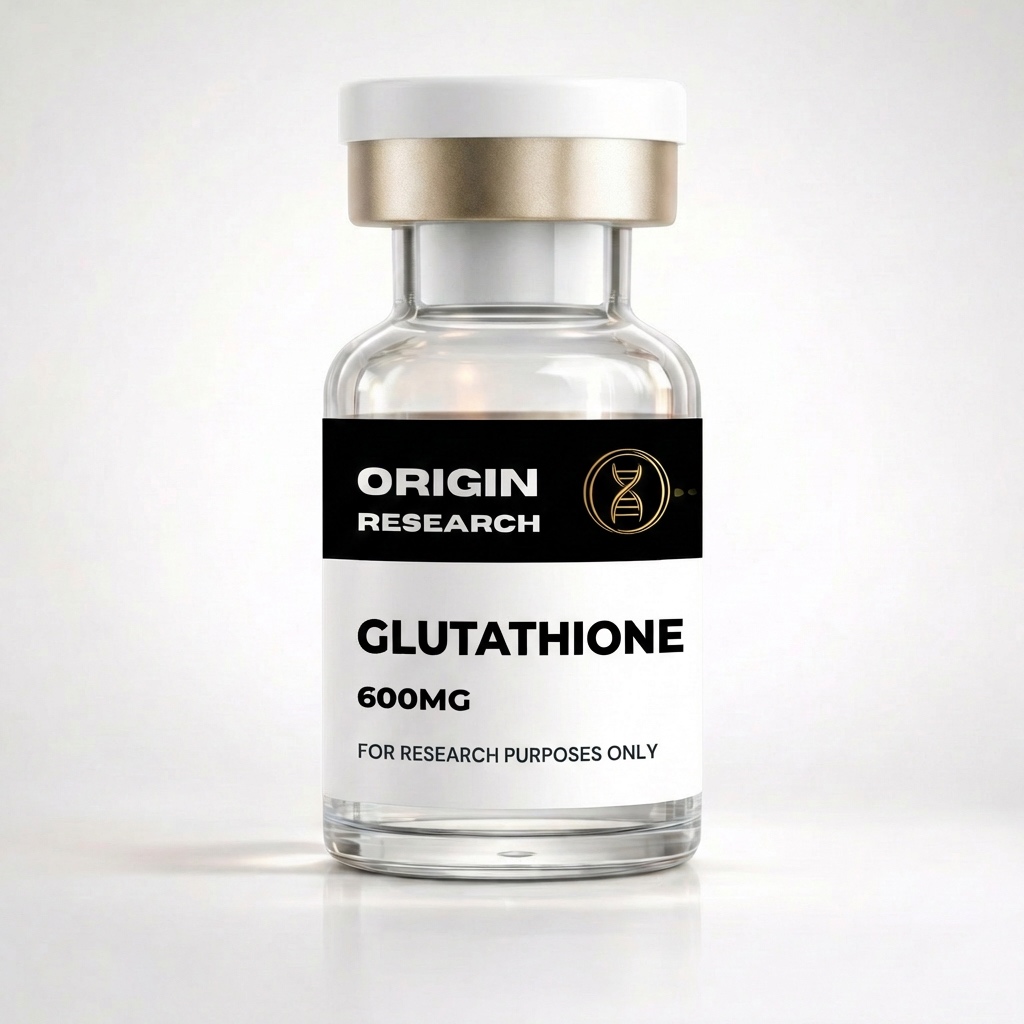
Research compounds like Glutathione get used as research probes in published cellular redox biology to investigate these pathways directly, instead of relying solely on precursor supplementation experiments.
Compartments matter
Glutathione is not evenly distributed inside a cell. The mitochondrial matrix has its own pool, fed by specific transport across the inner membrane. The endoplasmic reticulum runs more oxidizing, which helps protein disulfide isomerase fold proteins correctly. The nucleus exchanges glutathione rapidly with the cytoplasm through nuclear pores.
One total glutathione number from a cell extract hides a lot. Compartment-specific measurements give the real picture.
GSH versus GSSG and what the ratio tells you
Glutathione exists in two forms.
- GSH: the reduced form with a free thiol on cysteine. Active.
- GSSG: two glutathione molecules joined by a disulfide bond. The oxidized form.
GSH gets oxidized to GSSG when it donates electrons (usually to reduce peroxides through glutathione peroxidase). GSSG gets reduced back to two GSH molecules by glutathione reductase, which uses NADPH as its electron source.
In healthy cells, the GSH to GSSG ratio is greater than 100 to 1. When that ratio falls, redox stress is present.
Common oxidative stress models
Researchers use the GSH to GSSG ratio as a readout in many model systems:
- Hepatotoxicity: acetaminophen or carbon tetrachloride in rodent liver
- Neuronal stress: hydrogen peroxide or rotenone in cultured neurons
- Ischemia-reperfusion: tissue cut off from blood then reperfused
In these models, GSH drops, GSSG climbs, lipid peroxidation markers rise, and protein carbonylation increases. The combined picture indexes oxidative stress.
Researchers also use the Nernst equation to calculate the half-cell reduction potential from measured GSH and GSSG concentrations. Reported values range from around -240 millivolts in proliferating cells to -180 millivolts in stressed populations. The reduction potential integrates concentration and ratio into one thermodynamically rigorous number, which gives a cleaner cross-study comparison than ratio alone.
NAD+ pathway connection
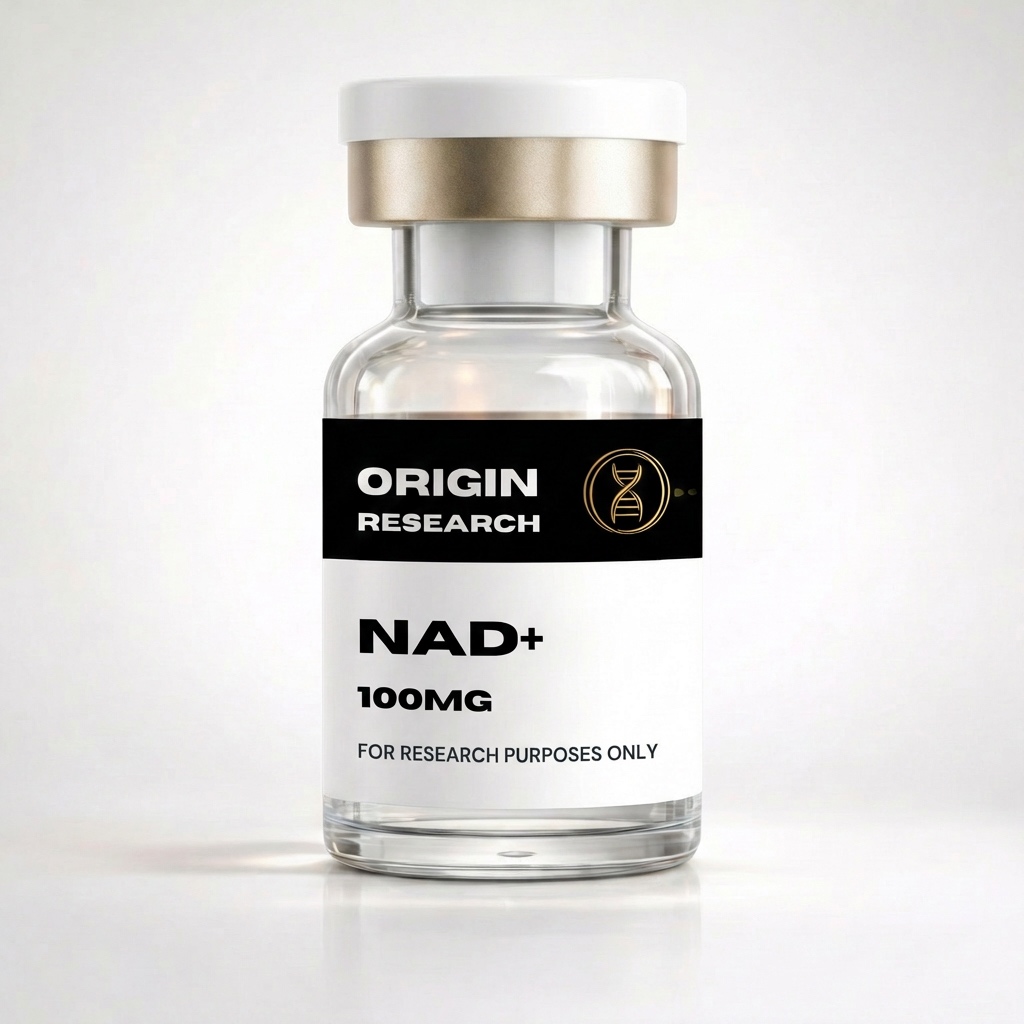
The glutathione redox system depends on NADPH from cellular metabolism. NADPH and NAD+ pathway work are often paired in research protocols since both reflect cellular reducing capacity. NAD+ 500mg is studied in adjacent pathway models for this reason.
The wider antioxidant enzyme network
Glutathione is not a solo act. It sits inside a network of enzymes that together handle reactive oxygen species.
Key enzyme families
- Glutathione peroxidases (GPx). A family of selenocysteine-containing enzymes that reduce hydrogen peroxide and lipid hydroperoxides using GSH. GPx1 is the main cytoplasmic version. GPx4 is special because it can reduce lipid peroxides inside membranes.
- Catalase. Sits in peroxisomes. Reduces hydrogen peroxide. Works independently of glutathione.
- Superoxide dismutases (SOD). SOD1 in cytoplasm, SOD2 in mitochondria. Convert superoxide into hydrogen peroxide, which then feeds GPx and catalase.
- Peroxiredoxins. Use thioredoxin instead of glutathione. Handle a big fraction of cellular hydrogen peroxide. Some have catalytic rates near the diffusion limit.
Why GPx4 gets so much attention
GPx4 has emerged as a major research target. Loss of GPx4 in cellular models triggers ferroptosis, an iron-dependent programmed cell death distinct from apoptosis. Lipid peroxides accumulate. Membranes fail. The cell dies in a specific way.
Because GPx4 needs GSH to function, anything that drops glutathione raises ferroptotic vulnerability. Researchers use small molecule modulators of GPx4 and upstream glutathione synthesis to probe ferroptotic pathways in published cell biology work.
The selenium connection: GPx enzymes require selenium for their catalytic cysteine. Selenium nutrition biology and glutathione research overlap because of this dependency.
The thioredoxin and peroxiredoxin systems work in parallel to glutathione. They share NADPH supply. They cross-reduce some disulfides. The two systems are coupled, which is why comprehensive redox phenotyping looks at both.
Detoxification: glutathione S-transferase conjugation
Beyond peroxide reduction, glutathione is the main cellular nucleophile for grabbing reactive molecules. This conjugation reaction is the core chemistry of phase II metabolism in liver and other tissues.
How conjugation works
Glutathione S-transferases (GSTs) catalyze the formation of a covalent bond between glutathione and an electrophilic substrate. The resulting conjugate is more water-soluble than the parent compound. It moves through the mercapturic acid pathway, getting trimmed step by step:
- Glutathione conjugate forms inside the cell
- GGT cleaves off glutamate
- Dipeptidase removes glycine
- The remaining cysteine conjugate gets N-acetylated
- The N-acetyl-cysteine conjugate exits in urine
The GST superfamily
GSTs are grouped into classes: alpha, mu, pi, theta, and microsomal forms in the ER membrane. Polymorphisms in GST genes have been studied in research populations for their effect on xenobiotic metabolism variability.
The acetaminophen model is the most studied example. Reactive acetaminophen metabolites deplete glutathione through conjugation. N-acetylcysteine administration replenishes cysteine for new glutathione synthesis. This has been one of the most published toxicology models for decades.
Endogenous conjugation matters too
GSTs do not only handle drugs and pollutants. They also conjugate endogenous reactive aldehydes like 4-hydroxynonenal, a product of lipid peroxidation. This is a built-in protective mechanism against lipid-derived reactive species.
The leukotriene C4 synthase also catalyzes glutathione conjugation, this time with leukotriene A4, to generate the cysteinyl leukotriene class of lipid mediators studied in inflammation research. So glutathione conjugation reaches into signaling biology too.
S-glutathionylation as a signaling switch
Glutathione does not only neutralize threats. It also modifies proteins on purpose.
S-glutathionylation is the reversible attachment of a glutathione moiety to a protein cysteine residue through a mixed disulfide bond. It changes the target protein. It can switch activity on or off, redirect localization, or alter what the protein binds to.
The forward and reverse reactions
- Forward: can happen spontaneously under oxidizing conditions, or be catalyzed by glutathione S-transferase pi in some contexts.
- Reverse: catalyzed by glutaredoxins (also called thioltransferases) using GSH as the reducing partner.
The cycle of glutathionylation and de-glutathionylation parallels phosphorylation. The cellular redox state determines which proteins carry the modification at any moment.
What gets modified
Research has documented S-glutathionylation across many substrate classes:
- Metabolic enzymes (including glycolytic enzymes)
- Signaling kinases
- Transcription factors
- Cytoskeletal proteins
- Mitochondrial complex I components
How researchers detect it
Detection requires specialized methods:
- Biotin-switch assays: reduce the mixed disulfide, label the freed cysteine with biotin, pull down with streptavidin.
- Mass spectrometry proteomics: identifies glutathionylated peptides directly.
- Anti-glutathione immunoblotting under non-reducing conditions.
High-throughput cataloging of the cellular glutathionylome uses chemoproteomic strategies like OxICAT that exploit the mixed disulfide chemistry. Glutaredoxin 1 knockout and knockdown models have revealed altered insulin signaling, modified actin dynamics, and changes in apoptotic sensitivity, all confirming that the modification is functionally meaningful.
Not all cysteines are equal. Solvent accessibility, local electrostatic environment, and proximity to oxidizing species determine which sites are reactive. Bioinformatic tools now predict candidate sites from sequence and structure.
Measuring glutathione in research samples
Accurate glutathione measurement is harder than it looks. The molecule auto-oxidizes during extraction. Sample handling errors falsify the GSSG fraction.
Common methods
- Ellman reagent (DTNB) assay. Reacts with free thiols, generates a yellow chromophore at 412 nm. Cheap and fast. Not specific to glutathione.
- Enzymatic recycling assay. Uses glutathione reductase and DTNB. Specific for total glutathione. GSSG measured separately after pre-treating GSH with 2-vinylpyridine.
- LC-MS/MS. The most sensitive and specific. Measures GSH, GSSG, and related thiol metabolites with isotope-labeled internal standards.
Sample prep is critical
GSH auto-oxidizes during processing. The standard fix is to immediately alkylate free thiols with N-ethylmaleimide at the moment of collection, then extract in acidic conditions. Skip this step and the GSSG number balloons artifactually.
Live-cell biosensors
Grx1-roGFP2 is a genetically encoded biosensor based on redox-sensitive green fluorescent protein fused to glutaredoxin. It gives ratiometric measurements that are insensitive to expression level differences. Mitochondrially targeted variants exist. So do nuclear-targeted ones.
These biosensors have characterized:
- Compartmental redox dynamics during cell cycle
- Acute response to oxidant exposure
- Redox shifts during apoptosis and ferroptosis
- Metabolic stress in cellular models
Best practice in advanced labs: combine LC-MS/MS for absolute quantification, biosensors for dynamic monitoring, and proteomics for site-specific S-glutathionylation. The three methods together give a comprehensive picture.
Cysteine supply and glutathione precursor research compounds
Cellular glutathione synthesis is limited by cysteine. So research on glutathione precursors is research on cysteine supply.
Where cysteine comes from
- Cystine import through the xCT antiporter. Dominant in most cell types.
- Transsulfuration from methionine through homocysteine via cystathionine. Hepatocytes do a lot of this. Most other cells do less.
The xCT antiporter is encoded by SLC7A11 and is a major Nrf2 target gene. When oxidative stress activates Nrf2, xCT expression goes up, cystine import rises, and glutathione synthesis capacity increases. This is one of the cleanest negative feedback loops in cellular redox biology.
N-acetylcysteine as the workhorse research precursor
N-acetylcysteine (NAC) is the most studied cysteine precursor research compound. Thousands of published preclinical papers reference it.
It enters cells through unclear mechanisms (possibly passive diffusion of the protonated form, possibly amino acid transporters), gets deacetylated by cytoplasmic acylases, and yields free cysteine for glutathione synthesis. The NAC thiol can also participate directly in disulfide exchange, so some of its effects are independent of glutathione synthesis.
Other precursors
- 2-oxothiazolidine-4-carboxylate: a cystine prodrug.
- Gamma-glutamylcysteine dipeptide: bypasses the rate-limiting GCL step.
Selection of precursor depends on the cellular system, the desired duration of glutathione elevation, and the experimental endpoint. Available research-grade Glutathione supplied as a research compound for redox pathway investigation lets researchers probe the system directly rather than only through precursor manipulation.
Amino acid network matters. Glutamate is exchanged out as the counter-substrate for cystine import. Glycine is required as the third amino acid in the tripeptide. Glutathione synthesis is embedded in the broader amino acid metabolism network, not isolated from it.
References
- [1] Lu SC (2013). Glutathione synthesis. Biochimica et Biophysica Acta. PMID 22580753
- [2] Forman HJ, Zhang H, Rinna A (2009). Glutathione: overview of its protective roles, measurement, and biosynthesis. Molecular Aspects of Medicine. PMID 18796312
- [3] Meister A, Anderson ME (1983). Glutathione. Annual Review of Biochemistry. PMID 6351290
- [4] Dalle-Donne I, Rossi R, Colombo G, Giustarini D, Milzani A (2009). Protein S-glutathionylation: a regulatory device from bacteria to humans. Trends in Biochemical Sciences. PMID 19135374
- [5] Townsend DM, Tew KD, Tapiero H (2003). The importance of glutathione in human disease. Biomedicine and Pharmacotherapy. PMID 12818476
- [6] Brigelius-Flohe R, Maiorino M (2013). Glutathione peroxidases. Biochimica et Biophysica Acta. PMID 23201771
Frequently asked questions
What is glutathione and what does it do?
Glutathione is a tripeptide of glutamate, cysteine, and glycine with an unusual gamma-glutamyl bond. It is the most abundant intracellular thiol in mammalian cells and is studied as a research compound in redox biology and detoxification pathway literature.
What does the GSH to GSSG ratio indicate?
The ratio of reduced to oxidized glutathione indexes cellular redox state. Healthy cells maintain a ratio greater than 100 to 1. Drops in the ratio are used as markers of oxidative stress in published preclinical models.
How does glutathione handle xenobiotics?
Glutathione conjugates with electrophilic compounds through reactions catalyzed by glutathione S-transferases. The resulting conjugates move through the mercapturic acid pathway and exit in urine. This is the core chemistry of phase II metabolism in research models.
What is S-glutathionylation?
It is the reversible attachment of glutathione to a protein cysteine through a mixed disulfide bond. Research describes it as a signaling mechanism that alters protein activity in response to cellular redox state.
Which enzymes regulate the glutathione system?
Glutamate-cysteine ligase and glutathione synthetase build glutathione. Glutathione peroxidases use GSH to reduce peroxides. Glutathione reductase regenerates GSH from GSSG using NADPH. Glutaredoxins reverse S-glutathionylation.
How is glutathione measured in research samples?
Enzymatic recycling assays, Ellman reagent assays, and LC-MS/MS are the main methods. N-ethylmaleimide treatment at collection is standard to block auto-oxidation during processing.
Is glutathione supplied for human use?
No. Origin Labs supplies glutathione as a research compound for Research Use Only investigation of redox biology and detoxification pathways. It is not supplied for nutritional, clinical, or consumer use.